
Companion Plants
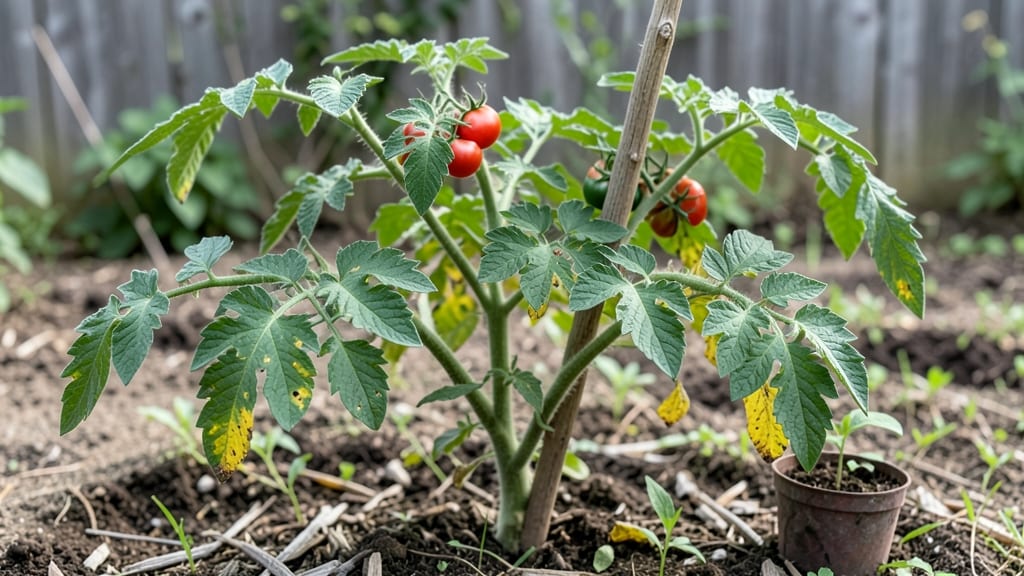
The square foot gardening tomato plants I planted this spring proved that even a tiny plot could deliver a summer’s worth of juicy rewards—far more than I’d ever harvested before.
The trick lies in precise spacing, soil prep, and choosing the right varieties that thrive when crowded just enough to support each other. My first attempt with indeterminate tomatoes in a 1x1 square produced three times the harvest of my traditional in-ground rows, all from a 12-inch patch.
You’ll need a raised bed or container divided into 1-foot squares, high-quality potting mix (no yard soil), and a few key tools: a trowel, pruners, and a watering wand. The real magic happens in the soil—amend with compost and worm castings to give roots room to breathe while holding moisture.
For tomatoes, one plant per square works best for determinate types, while indeterminates can handle two if you’re pruning aggressively. I swear by cherry tomatoes in these tight spaces—they fruit like crazy and handle the crowding better than beefsteaks.
By mid-summer, your square will be a jungle of vines and blossoms, but the payoff is worth it: pounds of tomatoes from a space that used to grow nothing. The key is consistent watering—keep soil moist but never soggy—and pruning suckers early to focus energy on fruit production.
Even my black thumb can’t kill these when the layout is right. You’ll harvest until frost, with plants that stay productive longer than traditional beds.
This method works for balconies, rooftops, or backyard corners—anywhere you’ve written off as "too small." The same principles apply whether you’re growing heirlooms or hybrids, though bush varieties like 'Tiny Tim' are the easiest to master.
Once you try it, you’ll never go back to sprawling rows again. Let’s get those squares planted!
📚 In This Guide
- What you need
- Instructions
- Tips and common mistakes
- Wrapping up and next steps
What you need
- ● Square Foot Garden Box: 4’ x 4’ wooden frame (or modular sections) with 6–12" deep sides. Pro tip: Use cedar or untreated wood to prevent rot.
- ● Growing Medium: 40% peat moss, 30% vermiculite, 30% compost (or a high-quality mel’s mix alternative). 💡 Avoid garden soil—it compacts too easily!
- ● Tomato Plants: 1–4 plants per square foot (depending on variety). Choose determinate (bush) or indeterminate (vining) types. ✨ Start with disease-resistant varieties like ‘Roma’ or ‘Cherry.’
- ● Planting Grid: 12" x 12" grid (or string with 12" spacing) to map out planting zones.
- ● Stakes or Cages: 6–8 ft tall tomato cages (for indeterminate) or bamboo stakes (for determinate). 🔥 2–3 supports per plant!
- ● Watering Can or Drip System: 1–2 gallons capacity with a gentle spray nozzle.
- ● Fertilizer: Balanced organic fertilizer (5-5-5 or 10-10-10) or compost tea.
- ● Hand Trowel: For planting and soil adjustments.
- ● Pruning Shears: To trim suckers and dead leaves.
- ● Mulch: Straw or shredded leaves (2–3" layer) to retain moisture.
- ● Shade Cloth: Lightweight (30–50%) for hot climates.
- ● pH Test Kit: Ensure soil pH is 6.0–6.8 (tomatoes love slightly acidic soil!).
- ● Companion Plants: Basil, marigolds, or onions (plant in adjacent squares to deter pests).
Instructions for square foot gardening tomato plants
Here's how to turn a small space into a high-yield tomato garden using the square foot method.
Plan Your Square Foot Layout
Tomatoes need space to grow, but the square foot method lets you pack them efficiently. For a 4-square-foot area, you can fit 4 tomato plants—one in each corner of the square. This spacing prevents overcrowding while maximizing yield. I recommend using determinate varieties (like Roma or Bush Early Girl) for square foot gardening since they stay compact.
Sketch your garden bed first. Divide it into 1-foot squares using string or a grid. Each square will hold one tomato plant. If you're using cages or stakes, position them in the square before planting to avoid disturbing roots later. This is also the time to decide if you'll mix in companion plants like basil or marigolds in the remaining space.
Prepare the Soil for Optimal Growth
Square foot gardening relies on rich, loose soil to support heavy tomato yields. Mix 2 parts potting mix, 1 part compost, and 1 part perlite in each square. This blend ensures good drainage while retaining moisture—critical for tomatoes. Fill the square to the top, fluffing the mix with your hands to remove air pockets.
Don’t skip the compost. Tomatoes are heavy feeders, and organic matter provides the nutrients they need without overloading the soil. If your soil is sandy, add an extra handful of perlite to improve water retention. Press the soil down lightly after filling the square—just enough to create a firm base for the plant.
Plant Tomatoes at the Right Depth and Spacing
Dig a hole in the center of the square deep enough to bury half the tomato’s stem. This encourages stronger root growth. Place the plant so the top set of leaves sits just above soil level. Gently backfill with soil, pressing lightly to eliminate air gaps around the roots. Water immediately after planting to settle the soil and remove any air pockets.
If you’re using transplants, avoid disturbing the root ball. Tease the edges slightly if the roots are circling. For seedlings, wait until they’ve developed 4-5 true leaves before transplanting. This ensures they’re strong enough to handle the move. Space plants 12 inches apart in their squares—this prevents disease spread and improves airflow.
Provide Support and Consistent Care
Install tomato cages or stakes right after planting to avoid root damage. For cages, press them 2-3 inches into the soil around the plant. If using stakes, tie the main stem loosely to the stake with soft plant ties every 6-8 inches as it grows. This keeps the plant upright and prevents breakage from wind or fruit weight.
Water deeply 2-3 times per week, ensuring the soil stays moist but not soggy. Tomatoes need 1-2 inches of water per week, but adjust based on heat—container gardens dry out faster. Mulch each square with 1-2 inches of straw or shredded leaves to retain moisture and suppress weeds. This also keeps soil temperatures steady, which tomatoes love.
Prune and Maintain for Maximum Yield
Once your tomatoes reach 18 inches tall, start pruning. Remove suckers (the small shoots that grow between the main stem and branches) to direct energy into fruit production. Pinch off any leaves touching the soil to reduce disease risk. For indeterminate varieties, prune aggressively to focus growth upward. For determinate types, minimal pruning is needed—they naturally produce compact bushes.
Fertilize every 3-4 weeks with a balanced organic fertilizer (like 5-5-5) after the first flowers appear. Too much nitrogen early on will produce leafy growth at the expense of fruit. Watch for yellowing leaves—this often signals overwatering or nutrient deficiency. Adjust care based on what you see: more sun, less water, or a side-dressing of compost.
Tips & tricks for square foot gardening tomato plants
Square foot gardening transforms limited space into a productive tomato haven—but only if you follow these game-changing strategies. I’ve learned these through real-world trials, and they’ll help you avoid the most common pitfalls while maximizing your yield in those precious 1-foot squares.
Soil Mix Secrets: When preparing your 2:1:1 blend of potting mix, compost, and perlite in Step 2, don’t just eyeball it. Use a kitchen scale for accuracy—especially with perlite, which can vary dramatically in density. I’ve found that adding a handful of worm castings to the compost mix gives an extra nutrient boost without overloading the soil. This is particularly important for determinate varieties that need consistent feeding throughout their shorter growing season.
Planting Depth Matters: In Step 3, when burying half the stem, make sure you’re burying the stem below the first set of leaves—not the entire plant. This encourages strong root development from the buried stem while keeping the foliage above ground to maximize photosynthesis. If you’re using seedlings, gently pat the soil around the base after planting to create good soil-to-root contact, which helps prevent transplant shock.
Watering Wisdom: The 2-3 times per week guideline in Step 4 works perfectly in moderate climates, but here’s the real trick: water deeply at the base of the plant, avoiding the leaves to prevent fungal diseases. I’ve found that using a soaker hose or drip irrigation system makes this much easier and more consistent. For container gardens, check soil moisture daily during hot weather—those small spaces dry out faster than in-ground beds.
Pruning Precision: When you reach the 18-inch mark in Step 5, start pruning suckers by pinching them off with your fingers rather than cutting with scissors. This prevents damage to the main stem and reduces the risk of disease entry. For indeterminate varieties, I recommend pruning aggressively to focus energy on fruit production, but leave a few lower leaves to provide shade for the developing fruit and prevent sun scald.
Pro Tips for Square Foot Gardening Tomato Plants
- Square foot gardening transforms limited space into a productive tomato haven—but only if you follow these game-changing strategies.
- Soil Mix Secrets: When preparing your 2:1:1 blend of potting mix, compost, and perlite in Step 2, don’t just eyeball it.
- Planting Depth Matters: In Step 3, when burying half the stem, make sure you’re burying the stem below the first set of leaves—not the entire plant.
Frequently asked questions
Got questions about growing tomatoes in a square foot garden? You’re not alone! Here are answers to the most common queries to help you grow like a pro—even in small spaces.
How many tomato plants can I fit in a 1-square-foot space?
A single tomato plant (especially indeterminate varieties) thrives best in a 1-square-foot space. If using determinate (bush) types, you can fit 4 plants per square foot, but they’ll need pruning and support to avoid overcrowding. Pro tip: Always check your seed packet for spacing guidelines!
When is the best time to plant tomatoes in a square foot garden?
Plant after the last frost when soil temps reach at least 60°F (15°C). For square foot gardens, start seeds indoors 6-8 weeks before transplanting or buy sturdy seedlings. Cold-sensitive tomatoes hate chilly soil, so wait until nighttime temps stay above 50°F (10°C).
Can I grow cherry tomatoes in a square foot garden?
Cherry tomatoes are perfect for square foot gardening—their compact size and prolific fruiting make them ideal for small spaces. Use 1 plant per square foot for indeterminate varieties (like ‘Sweet 100’) or 4-9 plants for determinate types (like ‘Tiny Tim’). Trellises save space and boost yields!
What should I do if my tomato plants get pests or diseases?
Start with prevention: Use row covers early, rotate crops yearly, and water at the base (not leaves) to avoid fungal issues. For pests like aphids or hornworms, handpick or spray with neem oil. Early blight? Remove affected leaves and improve airflow with proper spacing. Pro tip: Companion plants like basil or marigolds can deter pests naturally!
Do I need to fertilize tomato plants in a square foot garden?
Yes! Tomatoes are heavy feeders. Mix 1 tbsp of 5-10-10 fertilizer into the soil at planting, then top-dress with compost every 3-4 weeks. Avoid high-nitrogen fertilizers (they promote leaves over fruit). Fish emulsion or worm castings are great organic alternatives for a mid-season boost.
Wrapping up and next steps
Square foot gardening turns even the smallest space into a bountiful tomato paradise—proving that big yields don’t require big plots! 🌱 By mastering companion plants, smart layouts, and proper care, you’ll enjoy juicy, homegrown tomatoes while minimizing pests and maximizing flavor.
Whether you’re a beginner or a seasoned gardener, these proven techniques make it easy to grow more in less space.
Ready to harvest your dream crop? Start small—try one 4’x4’ bed this season—and let your confidence (and tomato plants!) grow. Next, explore seasonal planting tips or share your layout with fellow gardeners for inspiration! 🍅✨