
Tools
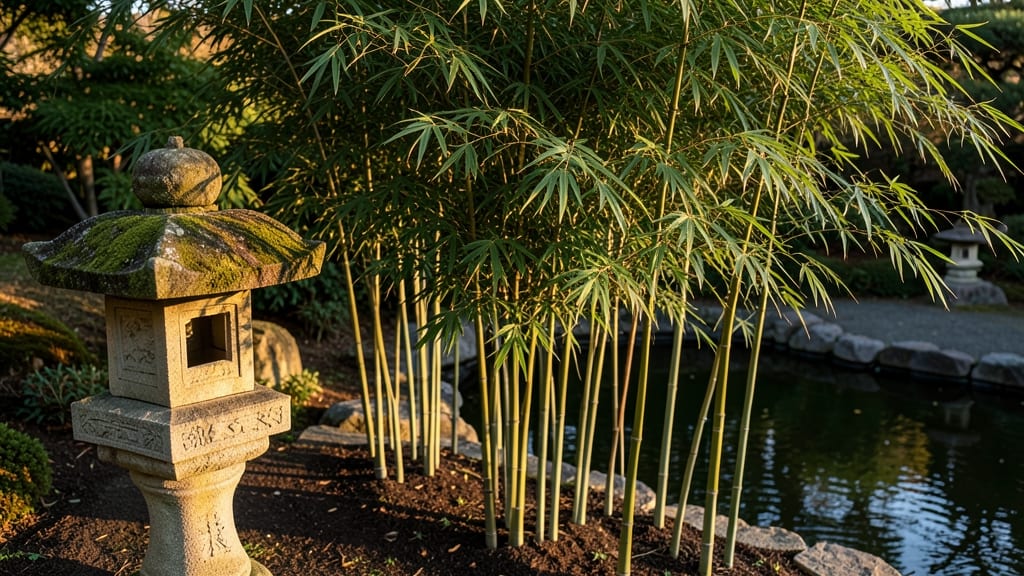
A Chinese backyard garden blends privacy, symbolism, and serene beauty into one cohesive space. 🌿 I designed mine after realizing how much I craved a quiet retreat that still felt connected to nature—no more peeking eyes from neighbors or harsh city noise.
The key lies in layering evergreens, bamboo screens, and strategic stone placements to create both visual and acoustic barriers while keeping the space airy and inviting.
Traditional elements like a small pond or bubbling fountain add the soothing water feature that’s central to Chinese garden philosophy. I paired mine with native plants—pine for longevity, plum blossoms for resilience, and bamboo for flexibility—all while keeping maintenance simple.
Stone pathways wind through the space, guiding visitors deeper into the garden while adding texture and a sense of journey. The best part? You can adapt these principles to any yard size, from urban balconies to sprawling rural plots.
By the time you’re done, your garden will feel like a private sanctuary where every element tells a story. The scent of jasmine at dusk, the rustle of bamboo in the breeze, and the way sunlight filters through the trees—these are the quiet luxuries that make it worth the effort.
And yes, it actually blocks noise better than any fence ever could. Let’s bring this vision to life step by step.
Start small if needed—maybe just a corner with a bamboo screen and a few symbolic plants. Feng shui isn’t about rigid rules; it’s about harmony. Over time, you’ll see how these elements transform not just your backyard, but your daily peace of mind.
The first season is always the hardest, but the payoff? Priceless.
📚 In This Guide
- What you need
- Instructions
- Tips and common mistakes
- Wrapping up and next steps
What you need
- ● Soil & Amendments: Topsoil (2–3 cubic yards, depending on garden size)
- ● Compost (1–2 bags for nutrient-rich soil)
- ● Perlite or sand (1 bag, for drainage)
- ● Plants: Bamboo (e.g., Fargesia or Phyllostachys, 3–5 plants for privacy)
- ● Chinese juniper (Juniperus chinensis, 2–3 plants for structure)
- ● Ornamental grasses (e.g., Miscanthus or Pennisetum, 4–6 plants)
- ● Flowering shrubs (e.g., Hydrangea or Camellia, 2–4 plants)
- ● Hardware & Tools: Shovel & spade (1 each)
- ● Garden trowel (1)
- ● Pruners (1 pair, sharp and sterilized)
- ● Wheelbarrow (1, for hauling soil)
- ● Measuring tape (1, 25-foot)
- ● String & stakes (for layout, 1 roll)
- ○ Structural Elements: Bamboo fencing or lattice panels (optional but recommended for privacy)
- ● Gravel or decorative stones (1–2 bags, for pathways)
- ● Mulch (2–3 bags, for moisture retention)
- ● Chinese lanterns or paper umbrellas (for decorative accents)
- ● Water feature (e.g., small pond or bubbling stone fountain)
- ● Stone or ceramic garden ornaments (e.g., chi lin or fu dogs)
- ● Solar-powered path lights (for evening ambiance)
- ● Teak or bamboo garden furniture (benches, tables)
- ● Check local climate and USDA hardiness zone (most Chinese plants thrive in zones 7–9).
- ● Ensure your backyard has 6+ hours of sunlight daily (or partial shade for delicate plants).
- ● Plan your layout—sketch a rough design to visualize plant placement and pathways.
- ● Check for water drainage to avoid soggy roots (especially in humid climates).
Step-by-Step instructions for designing a Chinese-inspired backyard garden
Transform your outdoor space into a serene retreat with this traditional yet practical approach.
🌿 Step 1: Plan Your Layout Using Feng Shui Principles
Start by sketching your space on paper, marking the position of your home, driveway, and any existing trees or structures. Chinese gardens prioritize balance and harmony, so divide your yard into four quadrants. Place your main seating area or focal point—like a small pavilion or stone lantern—in the center or slightly offset toward the back. This creates a natural flow that invites movement and contemplation.
I like to use a simple compass orientation: position taller plants like bamboo or evergreens on the north side for privacy, while the south side gets sun-loving shrubs. East and west can feature flowering plants or seasonal interest. Avoid sharp corners in pathways—curved lines encourage gentle transitions, just like traditional Chinese gardens.
🪴 Step 2: Select Plants for Year-Round Privacy and Seasonal Interest
Choose a mix of evergreens for structure and deciduous plants for seasonal color. For privacy, I recommend bamboo (fast-growing and dense) along fences or property lines. Pair it with Chinese holly or Japanese yew for year-round greenery. Add ornamental grasses like maiden grass for movement and texture—they sway beautifully in breezes.
Incorporate flowering plants like cherry blossom trees (spring), hibiscus (summer), and camellias (winter) to create visual interest across seasons. For ground cover, creeping juniper or ivy softens hard edges while keeping weeds at bay. Cluster plants in odd-numbered groups (3, 5, or 7) for natural balance—this mimics traditional Chinese planting schemes.
☀️ Step 3: Create Water Features for Tranquility
A small pond, bubbling fountain, or even a simple stone-lined stream adds the essential water element of Chinese gardens. Place it near your seating area so you can hear the soothing sound while relaxing. I like to use a preformed pond liner (available at garden centers) for easy installation. Add a few water lilies or lotus plants for natural beauty and to attract beneficial insects.
Surround the water feature with smooth river rocks or flat stepping stones to create a natural border. Avoid sharp edges—opt for rounded stones to maintain the garden's peaceful vibe. Place a stone lantern nearby for evening illumination, as traditional Chinese gardens often incorporate subtle lighting.
✂️ Step 4: Add Traditional Chinese Elements for Harmony
Incorporate key elements like a stone path (use flagstone or stepping stones) that winds gently through the garden. Place a small bridge over any water feature or low-lying area—this symbolizes transition and connection. For seating, use bamboo or wicker furniture that blends seamlessly with the surroundings.
Add decorative touches like red lanterns (for good luck) or stone animals (like frogs or fish) near water features. I like to place a small pagoda or Chinese-style archway as an entry point to create a sense of arrival. Keep colors natural—earthy tones, deep greens, and soft reds or blues work best for a traditional feel.
💧 Step 5: Maintain Balance Through Seasonal Care
Chinese gardens thrive on low-maintenance care, but seasonal adjustments keep them lush. In spring, prune overgrown branches and add fresh mulch (use pine bark or straw) to retain moisture. Summer requires regular watering—focus on deep watering 2-3 times per week rather than daily shallow watering. Fall is the time to divide perennials and add protective layers of mulch before winter.
Watch for pests naturally—Chinese gardens often attract beneficial insects like ladybugs and lacewings that control aphids. Use neem oil sparingly if needed, but avoid chemical pesticides that disrupt the garden's harmony. Trim back ornamental grasses in late winter to encourage new growth, and prune bamboo lightly to maintain its shape.
Tips & tricks for perfect Chinese-inspired backyard gardens
Creating a harmonious Chinese garden takes more than just planting—it's about intentional design choices that bring tranquility to your space.
The Feng Shui Factor: When dividing your yard into four quadrants in Step 1, don't just split it visually—actually walk through each section. Notice how the light moves across your space at different times of day. The north quadrant should feel most sheltered, while the south should get the most sunlight. I've found that placing my main seating area slightly offset toward the back creates a more inviting flow, making the garden feel like an extension of my home rather than just an outdoor space.
Plant Pairing Secrets: In Step 2, the key to lush greenery lies in plant compatibility. Bamboo thrives alongside Chinese holly because they share similar water needs, while hibiscus and camellias both prefer slightly acidic soil. I've learned to group plants by their sunlight requirements—place sun-loving hibiscus near the south side and shade-tolerant camellias toward the north. This prevents overcrowding and makes maintenance easier. The odd-numbered grouping (3, 5, or 7 plants) isn't just decorative—it mimics natural plant clusters you'd find in wild Chinese landscapes.
Water Feature Wisdom: For Step 3, don't underestimate the power of sound in your garden design. Position your water feature so you can hear it from your seating area, but not so close that it becomes overwhelming. I like to use preformed pond liners because they create a clean, natural look without the messy excavation. Pro tip: Add a few smooth river rocks to the pond's edge—they not only look beautiful but also provide surfaces for beneficial insects to rest on. The stone lantern nearby should be placed where it casts soft light on the water's surface at dusk, creating a magical reflection.
Low-Maintenance Hacks: In Step 5, the 2-3 times per week deep watering schedule might seem frequent, but it's crucial for establishing strong root systems. I've found that watering in the early morning (before 9 AM) prevents evaporation and fungal growth. For pest control, plant a few extra herbs like mint or basil near your water feature—their strong scents naturally deter many common garden pests. And when pruning bamboo, always cut at a 45-degree angle just above a node to encourage bushier growth without sacrificing that traditional Chinese look.
Pro Tips for Chinese Backyard Garden
- Creating a harmonious Chinese garden takes more than just planting—it's about intentional design choices that bring tranquility to your space.
- The Feng Shui Factor: When dividing your yard into four quadrants in Step 1, don't just split it visually—actually walk through each section.
- Plant Pairing Secrets: In Step 2, the key to lush greenery lies in plant compatibility.
Frequently asked questions
Got questions about creating a stunning Chinese backyard garden? Here are some common ones—and their answers—to help you design a serene, private retreat year-round.
What are the best plants for a Chinese-style backyard garden?
A mix of evergreens (like bamboo or pine), ornamental grasses (e.g., Chinese silver grass), and blooming shrubs (such as azaleas or camellias) works beautifully. For privacy, bamboo or privet hedges are top picks—they’re fast-growing and lush. Pro tip: Add climbing vines (e.g., wisteria) to trellises for vertical privacy!
When is the best time to plant a Chinese backyard garden?
Spring (March–May) is ideal for most plants, as the soil warms and rain is plentiful. However, bare-root plants (like bamboo) can be planted in late fall or early winter for deeper root establishment. If you’re in a mild climate, fall planting (September–November) also works well for perennials.
How much does a Chinese backyard garden cost to install?
Costs vary widely based on size and materials:
- Low-budget: $500–$1,500 (DIY with basic plants, gravel, and simple structures).
- Mid-range: $2,000–$5,000 (professional planting, decorative stones, and a small pond or water feature).
- High-end: $10,000+ (custom stonework, rare plants, and intricate lighting).
Prioritize privacy screens (like bamboo) and mulch to cut costs while keeping it lush!
How do I maintain a Chinese backyard garden in all seasons?
Year-round care keeps your garden thriving:
- Spring: Prune dead branches, fertilize, and mulch.
- Summer: Water deeply (early morning) and watch for pests.
- Fall: Clean up fallen leaves and plant bulbs for spring color.
- Winter: Protect tender plants with burlap and trim overgrown growth.
Pro tip: Use gravel or wood chips for pathways to reduce mud and weeds!
Can I create a Chinese backyard garden in a small space?
Use vertical gardening (trellises, hanging plants) and compact shrubs (like dwarf bamboo or boxwood). A mini Zen corner with a small table, stone lantern, and moss works wonders. Even a balcony or patio can host a few potted bamboo or orchids for that classic look!
Wrapping up and next steps
A Chinese backyard garden isn’t just about beauty—it’s a serene escape that blends tradition with nature. Whether you’re drawn to bamboo screens, layered foliage, or tranquil water features, this design transforms your space into a peaceful retreat year-round. The key? Thoughtful planning, quality materials, and a touch of cultural inspiration.
Ready to turn your vision into reality? Start small—sketch your space, gather inspiration, and take the first step! 🌿 With patience and creativity, your lush, private oasis awaits.