Tools
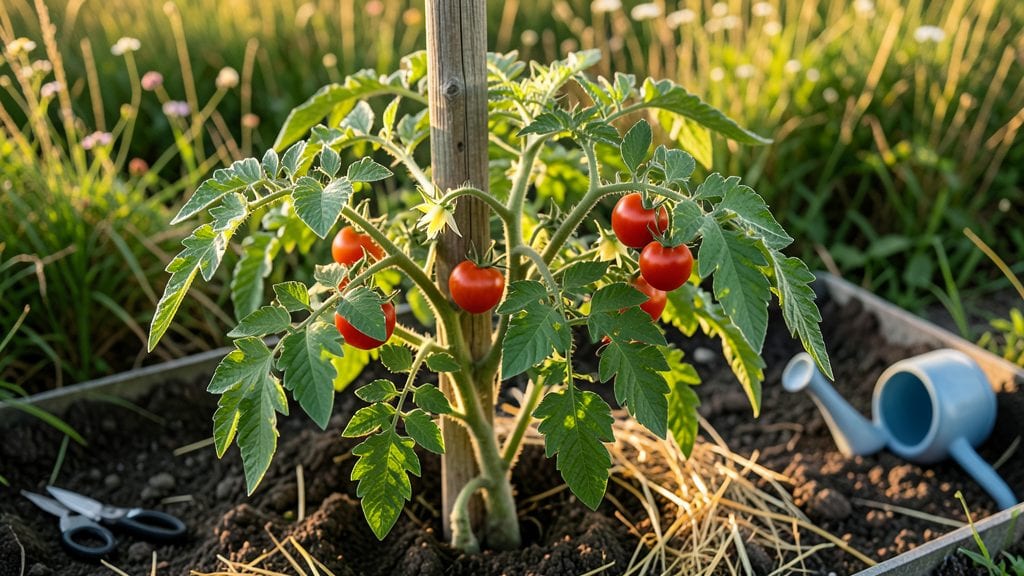
Growing tomatoes in your garden isn't just about planting seeds—it's about unlocking a harvest that tastes like summer every single season. 🌱 I learned the hard way that skipping the pruning hacks means fewer fruits, more disease, and plants that flop over by July.
The difference between a bushy, productive tomato plant and a sad, sprawling mess comes down to a few simple cuts and timing.
You'll need a sunny spot with at least 6-8 hours of direct sun, well-draining soil, and a few basic tools: pruning shears, stakes or cages, and maybe some mulch.
The real magic happens when you start pruning those suckers (those little shoots between the stem and branches) early—it directs energy to fruit production instead of leaf growth. My first year, I ignored this, and my plants produced half the tomatoes they could have.
By mid-summer, you'll be harvesting vibrant red tomatoes that burst with flavor, not the mealy store-bought versions. The pruning keeps plants healthy, air circulation improves, and you avoid common issues like blight.
Plus, the plants stay compact enough to handle rain without collapsing. This method works for both determinate (bush) and indeterminate (vining) varieties, so you can grow whatever you love.
Even if you've had tomato failures before, this system is foolproof once you get the rhythm. Start small with one or two plants, and by next season, you'll be expanding. The key is consistency—prune weekly, water deeply, and watch those vines transform into a fruit-producing powerhouse. Ready to try it?
📚 In This Guide
- What you need
- Instructions
- Tips and common mistakes
- Wrapping up and next steps
What you need
- ● Tomato seeds or seedlings: Choose disease-resistant varieties (e.g., Roma, Cherry, or Beefsteak) based on your climate and growing season.
- ● High-quality potting soil or garden soil: Aim for 6-8 inches of well-draining soil enriched with compost (1 part compost to 2 parts soil).
- ● Fertilizer: Balanced fertilizer (10-10-10) at planting time.
- ● Low-nitrogen, high-phosphorus fertilizer (5-10-10) during flowering/fruiting.
- ● Mulch: Straw or shredded leaves to retain moisture and suppress weeds.
- ● Pruning shears: Sharp, bypass pruners (avoid dull tools—they crush stems!).
- ● Garden gloves: Heavy-duty to protect against thorns and dirt.
- ● Stakes or cages: 6–8 ft tall for indeterminate varieties; 4–5 ft for determinate.
- ○ Trellis or tomato clips: Optional but great for vertical growth and airflow.
- ● Watering can or hose with a gentle nozzle: Deep watering (1–2 inches per week) is key.
- ● pH test kit: Ensure soil pH is between 6.0–6.8 (tomatoes thrive in slightly acidic soil).
- ● Drip irrigation system: Automates watering and saves time.
- ● Row covers or shade cloth: Protects seedlings from pests or harsh sun.
- ● Organic pest control: Neem oil or insecticidal soap for aphids/spider mites.
- ● Grow lights (for indoor/year-round): 12–16 hours of light daily if extending the season.
Step-by-step instructions for planting and pruning tomatoes in your garden
Here's how to get strong, productive tomato plants that keep bearing fruit all season.
🌱 Step 1: Choose the Right Spot and Prepare the Soil
Tomatoes thrive in full sun—pick a location that gets at least 6-8 hours of direct sunlight daily. I always test the spot first by watching how sunlight moves across the garden throughout the day. Early morning sun is especially important for drying dew quickly, which prevents fungal diseases.
Use the 5 gallons of compost to enrich the soil in a 2-foot wide area around where you'll plant. Mix it into the top 6 inches of soil to create loose, fertile ground. Tomatoes hate soggy roots, so if your soil drains poorly, add a 1-inch layer of coarse sand or perlite to improve drainage. You'll know the soil is ready when it crumbles easily between your fingers.
🪴 Step 2: Plant Transplants or Seeds at the Right Time
For transplants, wait until after the last frost date in your area—usually 2-3 weeks before the average last frost. Dig holes just deep enough to bury the plant up to its first set of leaves (about 1/3 of the stem). This encourages stronger root growth. Space plants 18-24 inches apart in rows 3 feet apart to allow airflow and easy pruning.
If starting from seed, sow indoors 6-8 weeks before the last frost and transplant seedlings outdoors after they've developed 4-5 true leaves. I always harden off seedlings by placing them outside for 1-2 hours daily for a week before full transplant. Watch for wilting—they're ready for full sun once they perk up within a few hours.
☀️ Step 3: Water Deeply and Consistently
Water tomatoes at the base 1-2 inches per week, aiming for deep, infrequent watering rather than light daily sprinkles. I use a soaker hose or drip irrigation to keep leaves dry, which prevents fungal diseases like early blight. Water in the morning so foliage dries by evening—this is critical for preventing nighttime rot.
Mulch around plants with 2-3 inches of straw or grass clippings to retain moisture and suppress weeds. The mulch also keeps soil temperatures steady, which helps fruit set. You'll notice fewer blossom-end rot issues when soil moisture stays consistent—this is a common problem when plants experience dry spells.
✂️ Step 4: Prune for Better Airflow and Fruit Production
Start pruning when plants reach 12-18 inches tall. Remove any suckers (the small shoots that grow in the leaf axils) to direct the plant's energy toward fruit production. I pinch these off with my fingers—no need for shears. Prune in the morning so wounds dry quickly, reducing disease risk.
For indeterminate varieties (the vining types), prune to leave 3-4 main stems and remove lower leaves up to 12 inches from the ground. This improves airflow and keeps fruit off the soil. You'll see fewer yellow leaves and better fruit quality when pruning opens up the plant. For determinate varieties (bush types), minimal pruning is needed—just remove diseased or damaged leaves.
🌿 Step 5: Support and Harvest for Continuous Production
Install stakes or cages at planting time to avoid disturbing roots later. I use 6-foot tall bamboo stakes tied with soft plant ties for indeterminate varieties. As the plant grows, gently weave the main stems through the stake or cage to keep it upright. You'll notice stronger stems and less fruit damage from wind or rain once properly supported.
Harvest tomatoes when they're fully colored and slightly soft to the touch. I check plants every 2-3 days during peak season to prevent overripe fruit from splitting. Remove suckers and prune regularly throughout the season—this keeps plants productive until the first frost. With proper care, you'll get a steady harvest all summer long.
Tips & tricks for perfect tomato garden care
Here's what I've learned after years of growing tomatoes—these tricks make all the difference between a decent harvest and a bountiful one.
Sunlight Strategy: Those 6-8 hours of sun really matter, but timing is everything. If your garden gets late afternoon shade, move plants to the sunniest spot you have. I've seen tomatoes grow beautifully in partial shade, but they'll produce fewer fruits and be more prone to disease. For best results, rotate plants every few weeks to ensure even sun exposure all around.
Soil Prep Secret: When mixing that 5 gallons of compost into the soil, don't just scatter it on top—dig it in thoroughly. The goal is to create a loose, crumbly texture in the top 6 inches. I like to add a handful of worm castings too (optional) for extra nutrients. If your soil is heavy clay, mix in that 1-inch layer of coarse sand first to improve drainage before adding compost.
Pruning Precision: In Step 4, when you're pruning indeterminate varieties to 3-4 main stems, focus on keeping the plant open and airy. I remove any leaves that would touch the soil—this prevents disease and keeps fruit clean. For determinate varieties, less is more: just remove diseased leaves and let nature take its course. The key is to prune in the morning so any wounds have time to dry before evening dew sets in.
Harvest Hack: Those 2-3 day checks during peak season are crucial, but here's a pro tip: harvest in the morning when tomatoes are cool. This prevents splitting and keeps them fresher longer. I also twist tomatoes gently at the stem—don't pull them—to avoid damaging the plant. You'll notice fewer bruised tomatoes and a longer harvest season when you handle them this way.
Pro Tips for Tomatoes In Garden
- Here's what I've learned after years of growing tomatoes—these tricks make all the difference between a decent harvest and a bountiful one.
- Sunlight Strategy: Those 6-8 hours of sun really matter, but timing is everything.
- Soil Prep Secret: When mixing that 5 gallons of compost into the soil, don't just scatter it on top—dig it in thoroughly.
Frequently asked questions
Got questions about growing tomatoes in your garden? You’re not alone! Here are some of the most common queries—and their straightforward answers—to help you cultivate a thriving harvest.
How do I know when tomatoes are ready to pick?
Tomatoes are ripe when they’re fully colored (red, yellow, or purple, depending on the variety), slightly soft to the touch, and fragrant at the stem. For heirlooms or beefsteaks, wait until they’re deep in color and yield gently when squeezed. Pro tip: Never pick tomatoes by color alone—some varieties stay green until fully ripe!
Can I grow tomatoes year-round, or do they need a specific season?
Tomatoes thrive in warm weather (60–85°F) and can be grown year-round in mild climates (zones 8–11) with proper care. In cooler regions, start seeds indoors 6–8 weeks before the last frost, use row covers for early/late seasons, or grow them in containers for mobility. Greenhouse growing extends the season even further!
What should I do if my tomato plants get pests or diseases?
Common issues include aphids, whiteflies, or fungal diseases like blight. Prevent pests with neem oil or companion planting (basil/marigolds). For diseases, remove infected leaves immediately, water at the base (not foliage), and ensure good airflow. Pro tip: Copper fungicides can help if blight strikes—apply at the first sign!
What’s the best way to prune tomatoes for bigger yields?
Prune indeterminate tomatoes (vining types) by removing suckers (side shoots in leaf axils) to direct energy to fruit production. For determinate (bush) tomatoes, minimal pruning is needed—just remove lower leaves to improve airflow. Key hack: Prune in the morning to let wounds dry, reducing disease risk.
Can I grow tomatoes in containers, and what’s the best setup?
Use containers at least 5 gallons for dwarf varieties or 10+ gallons for larger plants. Ensure drainage holes, a balanced fertilizer (like 10-10-10), and a sturdy stake or cage. Bonus: Container tomatoes ripen faster in heat and can be moved to optimize sunlight!
Still stumped? Drop your tomato-growing woes in the comments—we’ve got you covered!
Wrapping up and next steps
Growing tomatoes in your garden is a rewarding journey that combines patience, care, and a few clever pruning hacks to keep your plants thriving year-round! 🌱 Whether you're a seasoned gardener or just starting out, the key is consistency—watering wisely, pruning strategically, and staying attuned to your plants' needs.
With the right tools and techniques, you’ll soon be harvesting juicy, homegrown tomatoes that rival anything store-bought.
Ready to take the next step? Start small—plant a few seeds or seedlings this season and experiment with pruning methods. Track your progress, learn from each harvest, and soon, you’ll be a tomato-growing pro! 🍅✨ Happy gardening!