Pests and Diseases
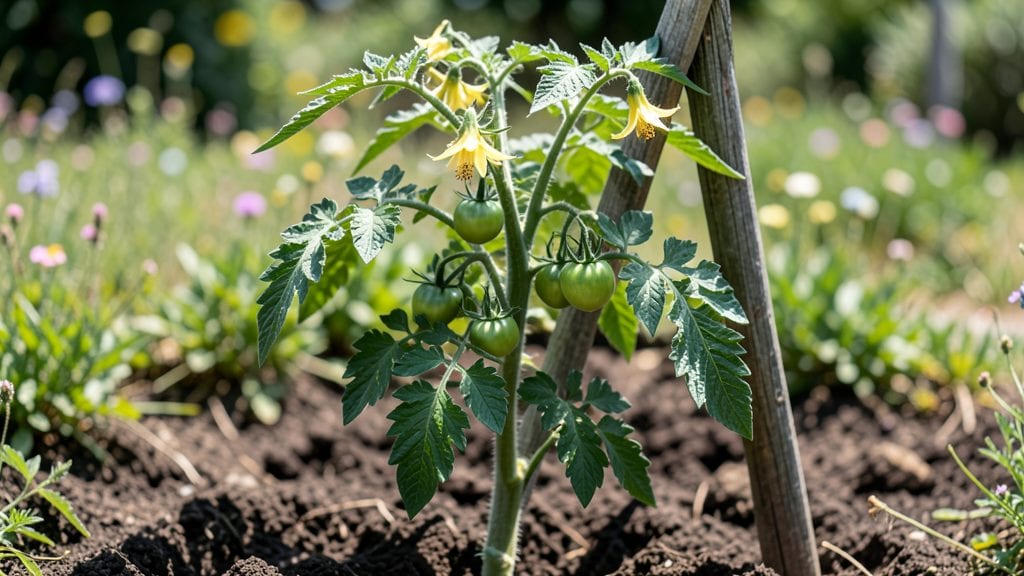
Mastering tomato gardening tips means turning your backyard into a vine-covered treasure trove of sun-ripened fruit—if you nail the pruning, pest control, and a few other key moves.
I’ve grown tomatoes for over a decade, and the difference between a handful of fruits and a bushel comes down to these simple but critical habits that most gardeners overlook.
The secret starts with soil rich in compost and a support system—cages or stakes—before the first seedling even sprouts.
Watering matters just as much: deep soaks twice a week beat light daily sprinkles, and pruning suckers (those little shoots between the main stem and branches) keeps energy flowing to the fruit, not the leaves.
I’ve seen plants double their yield just by spending 10 minutes every two weeks on this one task.
Pests like hornworms and aphids won’t stand a chance with a few organic defenses—neem oil sprays, row covers, and introducing ladybugs early. Even better, your tomatoes will taste like they came from a farmer’s market, not a grocery store, when you let them ripen fully on the vine.
The first bite after a homegrown summer? That’s the real reward.
This works whether you’re growing in containers, raised beds, or the ground—just adjust the stakes and watering slightly. Let’s get those vines climbing and those fruits heavy with flavor.
📚 In This Guide
- What you need
- Instructions
- Tips and common mistakes
- Wrapping up and next steps
What you need
- ● Tomato seeds or seedlings: Choose disease-resistant varieties (e.g., Celebrity, Sungold, or Roma). Start with 3–5 plants per person or 10–15 seeds if growing from scratch.
- ● Potting soil or garden soil: Use a well-draining mix (compost + perlite or coconut coir works great). Aim for 10–20 lbs per plant.
- ● Containers or garden bed: Containers: 5-gallon pots or larger (tomatoes need depth—at least 12–18 inches per plant).
- ● Garden beds: Full sun (6+ hours/day) and space 18–24 inches apart for indeterminate varieties.
- ● Fertilizer: Balanced organic fertilizer (10-10-10) or compost tea. Apply every 3–4 weeks once plants flower.
- ● Pruning tools: Bypass pruners (sharp, clean, and sterilized with rubbing alcohol).
- ● Garden shears (for larger branches).
- ● Support system: Cages, stakes, or trellises (e.g., 6-foot tomato cages or bamboo stakes).
- ● Neem oil: 1–2 tbsp per gallon of water (for fungal diseases like blight or aphids).
- ● Insecticidal soap: Ready-to-spray or DIY (1 tsp mild soap + 1 quart water).
- ● Row covers: Lightweight fabric to protect seedlings from pests (e.g., floating row covers).
- ● Yellow sticky traps: 2–3 traps per garden to catch whiteflies and aphids.
- ● Copper tape: Wrap around stems to deter slugs and cutworms.
- ● pH test kit (ideal soil pH: 6.0–6.8).
- ● Mulch (straw or grass clippings to retain moisture).
- ● Drip irrigation system (for consistent watering).
- ● Garden journal (to track pruning dates and pest outbreaks).
Instructions for pruning and pest control in tomato gardening
Here’s how to keep your tomato plants healthy and productive all season long.
Prune for Better Airflow and Fruit Production
Start pruning when your tomato plants reach 12 inches tall. Remove any suckers—those small shoots that grow in the leaf axils—using clean pruning shears. Suckers compete with fruit for energy, so cutting them early directs the plant’s focus to producing tomatoes instead. I like to prune on a dry morning; the stems are firmer, and you’ll see exactly where to cut.
Leave 1-2 main stems for determinate varieties (those that grow to a set height) and 1-2 strong stems for indeterminate types (the vining varieties). For indeterminate plants, keep the strongest upward-growing stem and remove the weaker one. This ensures the plant puts its energy into fewer, stronger branches that bear heavier fruit loads. Prune just above a leaf or bud, never leaving a stub—this prevents disease entry points.
Monitor for Early Signs of Pests and Diseases
Check your plants weekly for early signs of trouble, especially after rain or when humidity rises. Look for tiny webs on the undersides of leaves (spider mites), chewed edges (tomato hornworms), or yellowing spots (early blight). I keep a magnifying glass handy—some pests, like aphids, are so small you’d miss them without it.
If you spot pests, act fast. For soft-bodied insects like aphids, blast them off with a strong stream of water from a hose. For hornworms, handpick them in the early morning when they’re sluggish and drop them into soapy water. Never use chemical sprays unless absolutely necessary; they can harm beneficial insects and leave residues on your fruit. A neem oil spray (made from the neem tree) is a gentle, organic alternative that disrupts pests’ life cycles without harming your plants.
Support Plants and Train Vines for Maximum Yield
Install cages or stakes as soon as your plants are 6 inches tall—waiting until they’re larger makes it harder to secure them without damaging stems. For indeterminate varieties, use tall stakes or trellises (at least 6 feet high) to support their vining growth. Tie the main stem loosely to the stake with soft plant ties or strips of old T-shirt fabric; you don’t want to cut into the stem as it thickens.
As the plant grows, gently weave the vines through the cage or tie them to the stake every 12 inches. This keeps the fruit off the ground, reducing rot risk and making harvests easier. Prune any branches that grow downward or cross over others—these can block sunlight and air, creating humid pockets where disease thrives. A well-supported plant produces 30-50% more fruit and stays healthier longer.
Adjust Care Based on Plant Maturity
Once flowers appear, reduce watering slightly to 1 inch per week—too much moisture can cause blossom-end rot. I water in the early morning so the foliage dries quickly, which helps prevent fungal diseases. Fertilize lightly with a balanced tomato fertilizer (like 5-5-5) every 4-6 weeks after flowering begins. Over-fertilizing at this stage leads to leafy growth at the expense of fruit.
When tomatoes start to ripen, focus on harvesting regularly. Ripe tomatoes absorb calcium from the plant, so a steady harvest prevents blossom-end rot in new fruit. Pick tomatoes when they’re fully colored and slightly soft to the touch. Leave a 1-inch stem attached to prevent sunscald on exposed fruit. If a plant shows signs of stress (yellow leaves, wilting), it’s time to adjust watering or check for hidden pests like root-knot nematodes.
Prepare for Year-Round Success
In fall, prune back any remaining foliage to 6 inches above the ground to reduce overwintering pests and diseases. Remove all plant debris from the garden bed—this breaks the cycle of soil-borne pathogens. For a year-round harvest, start a new round of seedlings indoors 8-10 weeks before your last frost date and use row covers in early spring to protect tender plants from late frosts.
Keep a garden journal to track what works and what doesn’t. Note which varieties thrive in your climate, when you pruned, and how pests responded to your control methods. Over time, you’ll refine your approach—maybe you’ll find that pruning later in the season leads to bigger fruit, or that a specific companion plant (like basil) keeps pests away. Small adjustments make a big difference in tomato gardening.
Tips & tricks for perfect tomato gardening success
Keeping tomato plants thriving requires attention to detail—here are the secrets that make all the difference in your garden's productivity.
Pruning Precision: When your plants reach 12 inches tall, focus on removing suckers consistently. These small shoots grow between the main stem and branches, and removing them early—especially in the first few weeks—directs energy toward fruit production. I've found that using clean pruning shears and making cuts just above a leaf or bud prevents disease while encouraging stronger growth. For indeterminate varieties, maintaining just 1-2 strong stems creates a sturdy framework that supports heavier fruit loads without breaking.
Pest Patrol Strategy: The weekly check for pests and diseases in Step 2 is non-negotiable, especially after rain or when humidity rises. I keep a small magnifying glass handy to spot tiny spider mites or aphids that might otherwise go unnoticed. For hornworms, morning is the best time to handpick them—they're sluggish and easier to spot. Remember that neem oil spray works best when applied in the evening to avoid harming beneficial insects that pollinate during the day. This organic approach keeps your plants healthy without compromising future harvests.
Support System Savvy: Installing cages or stakes when plants are just 6 inches tall prevents damage later on. I've learned the hard way that waiting too long makes securing vines difficult without causing stem injuries. For indeterminate varieties, using tall stakes or trellises (at least 6 feet high) gives vines proper support. The key is tying stems loosely with soft materials—old T-shirt strips work perfectly—and adjusting ties every 12 inches as the plant grows. This vertical growth not only increases yield by 30-50% but also keeps fruit off the ground, reducing rot risks significantly.
Seasonal Adjustments: Once flowers appear, that 1-inch-per-week watering guideline becomes crucial. Watering in the early morning gives foliage time to dry completely, which prevents fungal diseases like early blight. I've noticed that overwatering at this stage often leads to blossom-end rot, so consistency is key. When tomatoes start ripening, harvesting regularly prevents calcium depletion in new fruit. The 1-inch stem you leave attached might seem small, but it protects against sunscald that can develop on exposed fruit.
Pro Tips for Tomato Gardening Tips
- Keeping tomato plants thriving requires attention to detail—here are the secrets that make all the difference in your garden's productivity.
- Pruning Precision: When your plants reach 12 inches tall, focus on removing suckers consistently.
- Pest Patrol Strategy: The weekly check for pests and diseases in Step 2 is non-negotiable, especially after rain or when humidity rises.
Frequently asked questions
Got questions about growing tomatoes? You’re not alone—even seasoned gardeners hit snags! Here are answers to the most common tomato gardening dilemmas to keep your plants thriving.
When is the best time to prune my tomato plants?
Prune indeterminate tomatoes (like Beefsteak or Cherry varieties) when they’re 6–12 inches tall, removing suckers (side shoots in the leaf axils). For determinate tomatoes (like Roma), minimal pruning is needed—just remove diseased or crowded leaves. Best time: Morning on dry days to avoid fungal risks.
Why are my tomato leaves turning yellow?
Yellow leaves often signal overwatering, nutrient deficiency (like nitrogen), or disease (e.g., early blight). Check soil moisture—tomatoes hate soggy roots. For nitrogen, use a balanced fertilizer (10-10-10) or compost. If spots appear, remove affected leaves and treat with neem oil or copper fungicide.
How do I keep pests like hornworms off my tomatoes?
Handpick hornworms (they’re huge and easy to spot!) or introduce parasitic wasps (nature’s pest control). For aphids, blast them off with water or use insecticidal soap. Prevent pests by:
Use containers at least 5 gallons for dwarf varieties, or 10+ gallons for larger types. Ensure they have:
From seed to tomato, expect 60–90 days for early varieties (like Early Girl) and 80–120 days for heirlooms. Transplants (from nurseries) fruit 10–20 days faster. Pro tip: Pinch off early flowers if seedlings are small—they’ll redirect energy to stronger growth! Cracking usually means inconsistent watering (too much after drought). Keep soil evenly moist (1–2 inches deep) and mulch to retain humidity. For blossom-end rot (dark spots), add calcium (crushed eggshells or gypsum) and avoid overwatering.
Can I grow tomatoes in containers, and what’s the ideal setup?
Place in full sun (6+ hours/day) and water daily during fruiting. Cherry tomatoes thrive in containers! How long does it take for tomato plants to produce fruit?
What should I do if my tomatoes crack before ripening?
Wrapping up and next steps
Growing thriving tomatoes is all about patience, consistency, and a little green thumb love! 🌱 From mastering pruning techniques to keeping pests at bay, these tips will set you up for a bountiful harvest—no matter the season.
Remember, every gardener starts somewhere, so don’t hesitate to experiment and learn along the way.
Ready to take the next step? Start small—plant a few seeds or seedlings, apply what you’ve learned, and watch your garden grow! Before you know it, you’ll be sharing jars of homemade tomato sauce or fresh salads with friends. Happy gardening! 🍅✨