Companion Plants
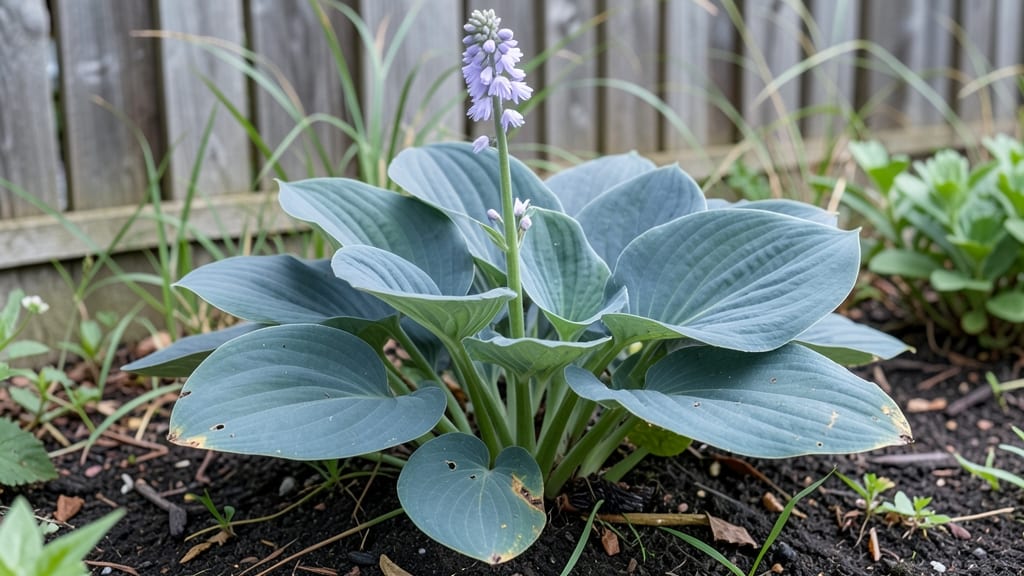
Shaded garden plants transform forgotten corners into lush, thriving spaces where sunlight never stood a chance. 🌿 I used to think my shady yard was a lost cause—until I discovered how the right plants turn dim light into dramatic greenery, from delicate ferns to bold hostas.
The secret isn’t forcing sun-lovers to survive; it’s choosing plants that love the quiet, cooler spots where most gardens give up.
Start with three layers—tall plants like astilbes or ferns for height, mid-levels with heucheras or lungwort for texture, and ground covers like sweet woodruff or ajuga to stitch it all together. These plants don’t just survive; they thrive, their leaves velvety and vibrant where others would wilt.
The best part? They create natural shade for themselves, cutting summer heat while attracting butterflies and hummingbirds that other gardens miss.
You’ll end up with a garden that feels alive even on cloudy days—think deep emeralds, burgundy leaves, and delicate white blooms that catch the dappled light. Maintenance is simple: water when the top inch of soil dries, mulch to keep roots cool, and fertilize lightly in spring.
No more struggling with leggy, pale plants—just reliable, neighborhood-jealousy-worthy shade gardens that work harder than they look.
Perfect for north-facing yards, patios under trees, or even urban balconies with partial shade. Here’s how to build layers that last—and why your shady spots might just become your garden’s star attraction.
📚 In This Guide
- What you need
- Instructions
- Tips and common mistakes
- Wrapping up and next steps
What you need
- ● Shade-tolerant plants: 5–10 varieties (e.g., Hostas, Ferns, Heucheras, Astilbes, or Lungwort). Pick a mix of heights (6"–48") for layered texture.
- ● High-quality potting soil: 1–2 bags (moisture-retentive, organic blend like Miracle-Gro Organic Garden Soil).
- ● Mulch: 1–2 cubic yards (shredded bark or wood chips for moisture retention and weed suppression).
- ● Slow-release fertilizer: 1–2 lbs (10-10-10 or organic options like Fish emulsion).
- ● Watering can or hose with a gentle spray nozzle: (1–2 gallons capacity for precision watering).
- ● Garden trowel or hand shovel: (for planting and soil prep).
- ● Pruners: (sharp, bypass-style for trimming dead foliage).
- ● Gloves: (heavy-duty for protection while handling soil/mulch).
- ● Measuring tape or ruler: (to space plants 12"–36" apart, depending on variety).
- ○ Optional: Soil pH test kit (to check acidity/alkalinity for specific plants).
- ● Designated shaded area (partial or full shade, <6 hours of direct sun daily).
- ● Well-draining soil (amend with compost if clay-heavy).
- ● Access to water (drip irrigation or consistent hand-watering schedule).
- ● Pro tip: 💡 Test your shade! Observe the area for 24–48 hours to confirm light exposure before planting.
Step-by-step guide to designing a thriving shaded garden
Here’s how to create a vibrant, low-maintenance shaded garden that thrives under dappled light.
🌿 Step 1: Choose the Right Plants for Each Canopy Layer
Shaded gardens work best with layered plantings—tall, mid-height, and ground covers—to maximize space and light capture. Start with hostas or heucheras as your mid-height stars; they tolerate partial shade and bloom reliably. For taller accents, astilbes or foxgloves add vertical interest without competing for light. Underneath, sweet woodruff or liverwort create lush ground cover that thrives in minimal light.
I always group plants by their shade tolerance: deep shade (under tree canopies) gets ferns and partial shade (morning sun, afternoon dapples) gets impatiens. Watch for leaf scorch—if edges brown, the plant needs more shade. Adjust placement gradually over the season.
🪴 Step 2: Prepare the Soil for Moisture-Retentive Growth
Shaded soil stays damp longer, so improve drainage by mixing 2-3 inches of compost into the top 12 inches of soil. This boosts organic matter without compacting. I avoid heavy amendments like peat moss—they can suffocate roots in tight spaces. Instead, blend in perlite for aeration if your soil feels clay-heavy.
Test moisture before planting: dig a 6-inch hole, fill it with water, and time how long it takes to drain. If water pools after 30+ minutes, amend with sand or grit to prevent root rot. Shaded plants hate soggy feet—this step is non-negotiable.
☀️ Step 3: Space Plants for Airflow and Light Competition
Crowding steals light and airflow, so space plants 12-18 inches apart for mid-height perennials and 6-12 inches for ground covers. I mark spots with sticks to visualize growth patterns—some plants, like bleeding hearts, spread wider than expected. For taller specimens (like cimicifuga), allow 24 inches of clearance to avoid shading out smaller neighbors.
Watch for yellowing leaves—a sign of overcrowding. If you see this, gently separate plants in early spring. Mulch with 2-3 inches of shredded bark to retain moisture and suppress weeds, but keep mulch 3 inches away from stems to prevent rot.
💧 Step 4: Water Deeply and Adjust for Seasonal Shifts
Shaded gardens need consistent moisture but hate soggy soil. Water deeply once a week (or more in summer) until the top 6 inches of soil feel damp. Use a soaker hose to avoid wetting leaves, which invites fungal diseases like powdery mildew. I water in the early morning to let foliage dry before evening humidity sets in.
Reduce watering in fall and winter—shaded soil retains moisture longer. If leaves curl or droop, it’s usually a sign of underwatering, not overwatering. Stick your finger 2 inches deep: if dry, water again.
✂️ Step 5: Prune and Maintain for Year-Round Health
Deadhead spent blooms on impatiens and astilbes to encourage more flowers, but avoid cutting back ferns or hostas until late winter—they store energy in their roots. I prune foxgloves after flowering to keep them tidy, but leave seed pods for winter interest. For ground covers like sweet woodruff, trim back in early spring to prevent legginess.
Fertilize lightly in early spring with a balanced 10-10-10 formula—shaded plants don’t need heavy feeding. Over-fertilizing leads to weak stems and attracts pests. If you see aphids or spider mites, blast them off with water first before reaching for pesticides.
⏰ Step 6: Monitor Light Changes Seasonally
Tree canopies shift with the seasons—what’s partial shade in summer may become full sun in winter. Observe your garden at solar noon (around 12 PM) every few months. If hostas start bleaching, they need more shade; if impatiens wilt, they’re getting too much sun. Adjust plant placement or add light-colored fabric shade cloth (30% coverage) in peak sun periods.
This is the key to a self-sustaining shaded garden: flexibility. Plants that struggle one year may thrive the next—just keep notes on what works. I jot down adjustments in a small notebook by the garden gate.
Tips & tricks for perfect shaded garden layers
A few strategic insights will help you create a thriving shaded garden that feels lush and intentional, not just a collection of plants.
Layering Strategy: Think vertically first! The key to a successful shaded garden is creating distinct layers that maximize light capture. Start with your tallest plants—like foxgloves or astilbes—along the back or north side of your garden where they won't compete for light with shorter plants. Mid-height plants like hostas or heucheras should go in the middle layer, while ground covers like sweet woodruff or liverwort complete the bottom layer. This creates visual interest while ensuring each plant gets the light it needs.
Soil Science: The 2-3 inches of compost you mix into the top 12 inches of soil isn't just about nutrients—it's about creating the perfect moisture balance. Shaded soil stays damp longer, so we're not just adding organic matter; we're improving drainage. If your soil feels compacted or clay-heavy, blend in perlite to create air pockets. Pro tip: Test your soil's moisture retention by digging a 6-inch hole, filling it with water, and timing how long it takes to drain. If water pools after 30+ minutes, you need to add sand or grit to prevent root rot.
Plant Placement Hacks: Don't just eyeball spacing! Use sticks to mark where each plant will go before you dig. This helps you visualize how plants will mature and interact. For example, bleeding hearts can spread up to 2 feet wide, so give them plenty of room. And remember: taller plants should go behind shorter ones to avoid shading them out. If you see yellowing leaves after planting, it's often a sign of overcrowding—gently separate plants in early spring before they establish too deeply.
Seasonal Light Tracking: Here's what nobody tells you—tree canopies change with the seasons. What's partial shade in summer may become full sun in winter. Observe your garden at solar noon (around 12 PM) every few months. If hostas start bleaching, they need more shade; if impatiens wilt suddenly, they're getting too much sun. Keep a small notebook by your garden gate to track these changes. This flexibility is what makes a truly self-sustaining shaded garden.
Pro Tips for Shaded Garden Plants
- A few strategic insights will help you create a thriving shaded garden that feels lush and intentional, not just a collection of plants.
- Layering Strategy: Think vertically first!
- Soil Science: The 2-3 inches of compost you mix into the top 12 inches of soil isn't just about nutrients—it's about creating the perfect moisture balance.
Frequently asked questions
Got questions about thriving plants in shady spots?
Here are answers to the most common queries about shaded garden plants—so you can create a lush, low-light oasis with confidence!
What are the best fast-growing shaded plants for quick results?
For instant impact, try Hosta (variegated varieties), Astilbe, or Ferns like Maidenhair. These adapt quickly to shade and add texture fast. Caladiums (elephant ears) also bloom in 6-8 weeks with the right moisture. Pro tip: Pair them with slow growers like Hellebores (Lenten roses) for layered beauty!
When is the ideal time to plant shade-loving perennials?
Plant in early spring (after the last frost) or early fall (6-8 weeks before first frost). These windows give roots time to establish before extreme heat or cold. Avoid summer planting—heat stress can stunt growth. Bonus: Mulch heavily to retain moisture and regulate soil temp!
How do I keep shaded plants from getting moldy or leggy?
Leggy growth? Boost light with reflective surfaces (mirrors, white walls) or prune to encourage bushiness. Mold? Improve airflow by spacing plants 12–18" apart and avoid overhead watering. Troubleshoot: Deadhead spent blooms (like on Impatiens) to redirect energy to foliage. Dramatic fix: Add dwarf conifers or ornamental grasses to break up humidity!
Can I grow vegetables in shade? What are the best options?
Yes! Try leafy greens like Spinach or Lettuce, Radishes, and Bush Beans (partial shade). For full shade, Swiss Chard and Kale thrive. Avoid heavy feeders like tomatoes—opt for microgreens or shade-tolerant herbs (e.g., Cilantro, Parsley). Key: Use containers for mobility if light shifts!
What’s a low-maintenance shade plant that thrives with neglect?
Meet Hellebores (Lenten roses)—they bloom in winter/spring, tolerate poor soil, and bounce back from frost. Japanese Painted Ferns and Lungwort are also resilient. Secret weapon: Ground covers like Sweet Woodruff or Ajuga suppress weeds while needing zero fuss. Perfect for busy gardeners!
Wrapping up and next steps
Transforming your shaded garden into a thriving oasis is easier than you think! With the right shaded garden plants, you can create vibrant layers that bring life and beauty to even the dimmest corners.
Whether you’re a seasoned gardener or just starting out, these low-light lovers will reward your efforts with lush foliage and stunning blooms.
Ready to dive in? Start small—pick one or two plants from our list, experiment with placement, and watch your garden flourish! 🌿✨ Your shaded sanctuary awaits—happy planting!