Advice
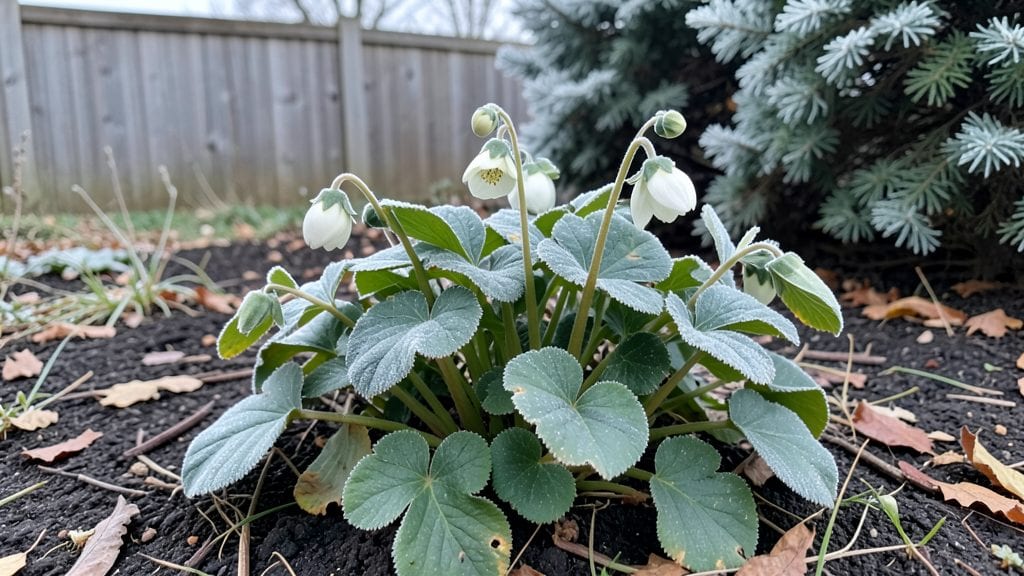
December garden plans don’t have to be dormant—some plants thrive when others sleep. ✨ The key is choosing frost-resistant varieties that bring color and life to winter, like hellebores, winter jasmine, and pansies, which turn gray days into cheerful spots of green and bloom.
I’ve been growing these same plants for years, and they never fail to surprise me with their resilience, even when temperatures dip below freezing.
What makes these plants special is their ability to handle cold snaps without extra fuss. Most need well-draining soil, a bit of mulch for insulation, and protection from harsh winds.
You’ll want to plant them in sunny spots where they can soak up winter light, and avoid soggy soil—overwatering in cold weather is the fastest way to kill roots. The payoff? Bright blooms that last from late fall through early spring, turning your garden into a winter wonderland.
By late December, you’ll have a garden that feels alive even in the quietest season. The deep green foliage of hellebores contrasts beautifully with the delicate petals of winter jasmine, while pansies add pops of purple, yellow, and blue.
These plants also attract pollinators like bees and butterflies, giving your garden a little extra life when everything else is resting. Plus, they’re perfect for containers if your ground is frozen solid.
Here’s the best part: these same plants will come back stronger every year, with minimal care. Just a little pruning in early spring and some fresh mulch, and they’ll reward you with even more vibrant blooms.
Whether you’re working with a backyard bed or a sunny windowsill, this is how you keep your garden thriving through the coldest months.
📚 In This Guide
- What you need
- Instructions
- Tips and common mistakes
- Wrapping up and next steps
What you need
- ● Frost-resistant plants: 3–5 hardy varieties (e.g., Hellebores, Winter Jasmine, Snowdrops, or Pansies). Check your USDA zone for best matches!
- ● Potting soil: 2–3 bags (moisture-retentive, well-draining mix like Miracle-Gro Potting Mix or Black Gold Natural & Organic).
- ● Containers: 3–5 pots (10–12" diameter) with drainage holes, or garden beds with raised edges for cold protection.
- ● Mulch: 1–2 bags (straw, shredded bark, or pine needles) to insulate roots.
- ● Slow-release fertilizer: 1–2 packets (e.g., Osmocote Smart-Release Plant Food for winter feedings).
- ● Garden gloves (waterproof, like Fox River Garden Gloves).
- ● Trowel or hand shovel (for planting in containers or beds).
- ● Watering can (with a rose nozzle for gentle watering).
- ● Pruners (sterilized, for trimming dead foliage).
- ○ Thermometer (optional, to monitor frost levels).
- ○ Frost cloth or burlap (optional, for extra protection during hard freezes).
- ● Sunlight access: Ensure your garden spot gets at least 4–6 hours of sunlight daily (adjust plant choices for shadier areas).
How to plan a thriving December garden
Winter doesn't have to mean bare soil—these hardy plants bring color and life when most gardens rest.
🌱 Step 1: Select Frost-Tolerant Plants for Your Climate Zone
Start by choosing plants rated for your specific USDA hardiness zone. In zones 4-6, consider winter aconite or hellebore—both bloom through light frost. For zones 7-9, pansies and snapdragons thrive in cooler temperatures. I always check the plant tags for "winter hardy" labels to avoid disappointment.
Plant bulbs like crocus and snowdrops in late fall—they’ll push through snow for early spring color. These bulbs need 6-8 weeks of cold to bloom properly, so don’t wait until December to plant them. For instant winter interest, add evergreen shrubs like boxwood or dwarf holly—they stay lush even when other plants sleep.
☀️ Step 2: Prepare the Soil for Winter Planting
December’s cold soil slows root growth, so focus on loose, well-draining soil. Work in 2-3 inches of compost or aged manure to feed roots as they establish. I avoid tilling when the ground is frozen—just scratch the surface to mix in amendments. For container plants, use a lightweight potting mix with perlite to prevent waterlogging.
Test soil moisture before planting—it should feel like a damp sponge, not soggy. Overwatering in cold soil suffocates roots. If your soil drains poorly, add coarse sand or grit to improve aeration. Mulch heavily with 3-4 inches of straw or shredded leaves after planting to insulate roots from temperature swings.
🪴 Step 3: Plant and Protect New Additions
Set plants 1-2 inches deeper than their nursery pots to anchor them in windy conditions. Space perennials 12-18 inches apart for airflow, which reduces rot risk. I always water newly planted winter bloomers deeply before the first frost—this establishes roots before dormancy. For tender plants like pansies, add a lightweight row cover or cloche to shield from hard freezes.
Group plants with similar water needs together. Succulents and ornamental grasses need minimal moisture, while hellebores prefer consistently damp soil. Use drip irrigation on a timer for containers to avoid frozen water lines. If your area gets heavy snow, brush it off evergreens to prevent branch breakage.
✂️ Step 4: Prune and Maintain Existing Plants
December is ideal for pruning dormant perennials like roses or shrubs—just avoid cutting back spring-flowering plants until after they bloom. I deadhead spent blooms on pansies to encourage more flowers, but leave seed heads on ornamental grasses for winter texture. Prune no more than 1/3 of the plant to avoid stressing it.
Check for pests even in winter—aphids and spider mites hide under mulch or on evergreen needles. Spray with neem oil or insecticidal soap if you spot them. Fertilize lightly with a balanced 10-10-10 formula in early December to support root growth before dormancy. Avoid high-nitrogen feeds, which promote tender new growth that won’t survive frost.
🌿 Step 5: Plan for Early Spring with Winter Care
Mark plant locations with biodegradable stakes or flags so you remember where everything is when spring arrives. Take notes on which plants thrived—this helps refine next year’s winter garden. I always sketch a simple map of my December plantings, including heights and colors, to plan companion plantings for spring.
Start a winter journal to track blooms, pests, and weather conditions. Note which plants rebloomed after frost or handled snow best. This data becomes your cheat sheet for future years. If you’re adding spring-blooming bulbs, mark their locations now to avoid disturbing them when planting.
Tips & tricks for a thriving December garden
A few key strategies will help you create a winter garden that stays vibrant and resilient when most gardens go dormant.
Climate Zone Precision: Double-check your USDA hardiness zone before selecting plants—this is non-negotiable for winter success. I learned this the hard way after planting hellebores in zone 5 that barely survived. Use the zone map from your local extension office if you're unsure. For zones 4-6, winter aconite is my go-to for early color, while pansies in zones 7-9 never disappoint.
Soil Prep for Cold Weather: The 2-3 inches of compost recommendation in Step 2 is crucial, but don't skip the soil moisture test. Cold soil drains differently—aim for that damp sponge texture rather than relying on visual cues. I've found that adding coarse sand to clay-heavy soils prevents waterlogging, which is especially critical in December when roots grow slowly. A soil thermometer helps too—ideal planting temps are between 40-60°F.
Winter Planting Depth: Planting 1-2 inches deeper than the nursery pot might seem counterintuitive, but it anchors plants in windy winter conditions. This extra depth also helps protect tender roots from temperature swings. For container plants, use the lightweight potting mix with perlite—it drains better than regular soil and prevents root rot in cold weather. I always pre-mix my containers with perlite before adding plants.
Protective Layering: That 3-4 inches of mulch isn't just for looks—it's insulation. Straw breaks down slowly and adds organic matter, while shredded leaves provide immediate protection against freeze-thaw cycles. For evergreens, I add an extra layer of mulch around the base to prevent root heave. And remember: brush off snow from branches to avoid breakage—this simple step can save your plants from winter damage.
Pro Tips for December Garden
- A few key strategies will help you create a winter garden that stays vibrant and resilient when most gardens go dormant.
- Climate Zone Precision: Double-check your USDA hardiness zone before selecting plants—this is non-negotiable for winter success.
- Soil Prep for Cold Weather: The 2-3 inches of compost recommendation in Step 2 is crucial, but don't skip the soil moisture test.
Frequently asked questions
Can I still plant in December, or should I wait for spring?
Yes! Many frost-resistant plants thrive when planted in late fall or early winter. Cool-season crops like kale, spinach, and pansies love the crisp air. Just ensure the soil isn’t frozen—test it by pushing a trowel in. If it resists, wait a few weeks or plant in containers for easier control.
How do I protect tender plants from unexpected freezes?
Use row covers, cloches, or even old bedsheets to shield delicate blooms. Mulch heavily around the base of plants to insulate roots. For potted plants, move them to a sheltered spot like a garage or under an eave. A light sprinkle of water on leaves before a freeze can also create a protective ice layer.
Which December-blooming plants are the easiest for beginners?
Start with hardy perennials like hellebores, winter jasmine, or ornamental grasses. They’re low-maintenance and often return year after year. For instant color, try pansies or violas—they tolerate light frost and add cheerful pops of purple, yellow, or white to your garden.
What can I do if my December garden looks dull or overgrown?
Prune back dead or damaged foliage to encourage new growth, but avoid heavy cuts on evergreens. Add winter interest with evergreen shrubs, bare branches (like dogwood), or even colorful pinecones. A fresh layer of mulch can also tidy up the space while protecting roots.
Are there December-friendly plants for small spaces or containers?
Opt for dwarf varieties like winter alyssum, mini cyclamen, or cold-hardy succulents (e.g., sedum). Herbs like thyme or parsley also thrive in pots. Just ensure containers have drainage holes and use lightweight soil to prevent freezing.
Wrapping up and next steps
December doesn’t have to mean the end of your garden’s beauty—frost-resistant plants prove that winter can be just as vibrant! 🌿❄️ From hardy perennials to evergreens, these cold-loving stars bring color and life even when temperatures drop.
Whether you’re a seasoned gardener or just starting, embracing a December garden is all about working with nature’s rhythm, not against it.
Ready to transform your outdoor space into a winter wonderland? Start small: Pick one frost-resistant plant from this guide and plant it this weekend. Before you know it, your garden will be blooming with resilience—and so will your gardening confidence! 🌱💪