Tools
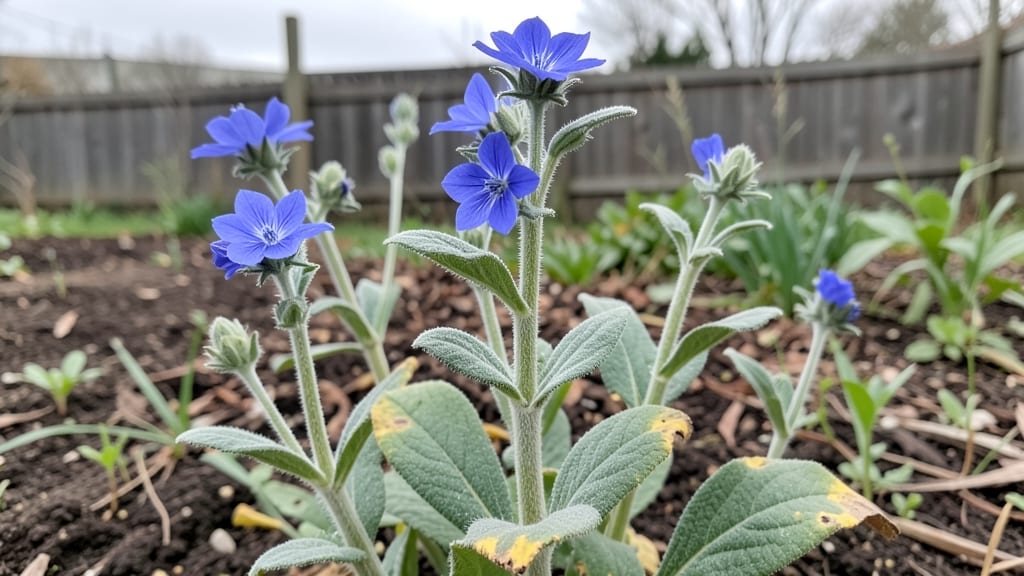
Borage in your garden isn't just another pretty face—it’s a pollinator superstar that multiplies itself like a self-sowing dream. 🌿 I’ve watched bees and butterflies flock to my borage patches all season, and the plant keeps coming back year after year with barely any effort from me.
The star-shaped blue flowers aren’t just stunning; they’re packed with benefits that make this plant a no-brainer for any garden.
The best part? Borage thrives in poor soil and full sun, yet it still produces those striking flowers and edible leaves. It’s drought-tolerant once established, and the more you harvest, the more it grows—almost like a weed, but a useful one.
Plus, it deters pests like tomato hornworms, making it a natural bodyguard for your veggie patch. You’ll be amazed at how quickly it fills empty spaces while working hard for your garden.
By summer, you’ll have a towering, fragrant plant that’s great for salads, teas, or just admiring from afar. The flowers attract bees like crazy, and the leaves add a cucumber-like flavor to dishes.
Even the seeds are edible and rich in omega-3s. It’s the kind of plant that makes gardening feel effortless—because nature does most of the work for you.
Whether you’re growing it for beauty, bounty, or just to support pollinators, borage is a versatile addition that pays dividends. Ready to let this self-seeding wonder take over your garden in the best way possible? Let’s get those seeds in the ground!
📚 In This Guide
- What you need
- Instructions
- Tips and common mistakes
- Wrapping up and next steps
What you need
- ● Borage seeds: 1–2 oz (30–60g) per 100 sq ft (for direct sowing) or 10–20 young plants (if transplanting). Pro tip: Save seeds from your first harvest—they’re self-seeding champions! 🌟
- ● Well-draining soil: Borage thrives in loamy, slightly acidic to neutral soil (pH 6.0–7.5). Amend heavy clay with compost or sand if needed.
- ● Sunlight: A full-sun spot (6+ hours of direct light daily). Partial shade is tolerable but may reduce flowering.
- ● Water: Keep soil consistently moist (but not soggy) until established. Mature plants are drought-tolerant! 💧
- ● Garden trowel or hand fork (for digging seed holes or transplanting).
- ● Hoe or rake (to loosen soil and remove weeds).
- ● Watering can or hose with a gentle spray nozzle (to avoid disturbing seeds).
- ○ Organic mulch (optional but recommended): Straw, grass clippings, or shredded leaves to retain moisture and suppress weeds.
- ○ Plant markers (optional): Small sticks or labels to track varieties if growing multiple types.
- ● Pruning shears (for later): To harvest flowers or control overgrowth.
- ● Compost or balanced fertilizer (5-10-10) (if soil is nutrient-poor). Apply lightly at planting.
- ● Cage or trellis (if growing near taller plants—borage can sprawl up to 2–3 feet tall).
- ● Pollinator-friendly companions: Plant near marigolds, lavender, or basil to attract even more bees and butterflies! 🐝
- ● Shade cloth (for hot climates): Protect young seedlings from intense afternoon sun.
Step-by-Step guide to planting borage in your garden
Here’s how to grow this stunning, self-seeding pollinator favorite with minimal fuss.
🌱 Step 1: Choose the Perfect Planting Spot
Borage thrives in full sun to partial shade, so pick a spot that gets at least 4-6 hours of sunlight daily. I always plant mine near my vegetable beds—it deters pests like tomato hornworms while attracting bees. The soil doesn’t need to be rich, but it should drain well. If your garden soil is heavy clay, mix in a few inches of compost to improve drainage.
Borage’s deep roots mean it tolerates dry spells once established, but young plants appreciate consistent moisture. Avoid soggy spots—this plant hates wet feet. If your garden has poor drainage, choose a slightly elevated area or amend the soil with sand.
🌱 Step 2: Plant Seeds Directly in the Garden
Borage seeds germinate best when planted directly in the garden—transplants often struggle. Scatter seeds ¼ inch deep and 12-18 inches apart (they self-seed aggressively, so spacing prevents overcrowding). I like to plant them in clusters of 3-4 for a fuller look, but give them room to spread.
Water gently after planting to settle the soil around the seeds. Keep the soil evenly moist but not soggy until germination, which typically takes 7-14 days. You’ll know it’s working when tiny green sprouts push through the soil—don’t be tempted to disturb them at this stage.
💧 Step 3: Water and Maintain for Pollinator Success
Once seedlings emerge, reduce watering to once a week unless your region is extremely dry. Borage’s deep roots make it drought-tolerant, but consistent moisture helps establish strong plants. Water at the base to avoid wetting the leaves, which can invite fungal issues.
This is the moment that matters: Let the plants grow freely without pruning. The star-shaped blue flowers are irresistible to bees, butterflies, and hummingbirds. If you notice the plants flopping over, gently stake them or let them sprawl—both work. Deadhead spent flowers if you want to control self-seeding, but I usually leave them for next year’s surprise blooms.
✂️ Step 4: Harvest Leaves and Flowers as Needed
Young leaves are edible and have a cucumber-like flavor, so start harvesting when they reach 3-4 inches long. Snip leaves from the top to encourage bushier growth. Flowers are also edible—toss them into salads or garnishes for a pop of color. Just pick them in the morning when they’re fully open.
Borage’s self-seeding habit means you’ll likely have volunteers popping up next year, but if you want to encourage more, leave a few flowers to go to seed. The plants will drop seeds generously, rewarding you with even more pollinators. If overcrowding becomes an issue, thin seedlings in early spring.
🪴 Step 5: Overwintering and Long-Term Care
Borage is a hardy annual that often resurfaces in spring from dropped seeds. In colder climates, mulch the base with 2-3 inches of straw or leaves to protect overwintering seeds. In warmer zones, it may bloom year-round with minimal care.
Real talk: Borage grows fast and can become leggy if crowded. If your plants start looking sparse, give them a little room to breathe. They’ll reward you with more flowers and fewer pests. By next season, you’ll have a self-sustaining pollinator haven with almost no effort.
Tips & tricks for perfect borage planting in your garden
A few simple tricks will help you grow borage like a pro—minimal effort, maximum pollinator power.
Sunlight Secret: While borage tolerates partial shade, the 4-6 hours of sunlight mentioned in Step 1 is non-negotiable for robust growth. I've seen plants in shadier spots grow leggy and produce fewer flowers. If your garden gets less than 4 hours, consider using containers that you can move to sunnier spots as needed. Morning sun is ideal—it gives plants time to dry off before evening moisture sets in.
Seed Planting Hack: Don't overthink the ¼-inch depth for seeds in Step 2—just sprinkle them lightly and cover with soil. I like to use my finger to make small furrows and drop 2-3 seeds per spot, then cover. This makes thinning easier later. The 12-18 inch spacing might seem generous, but trust me—borage spreads fast, and you'll thank yourself when you're not fighting overcrowded plants later.
Watering Wisdom: The 7-14 day germination window in Step 2 is your best friend for consistent moisture. Use a spray bottle for gentle watering—it keeps seeds from washing away while maintaining that crucial even moisture. Once seedlings emerge, the once-a-week watering in Step 3 works beautifully unless you're in extreme heat. I've found that watering at the base (not overhead) prevents fungal issues while encouraging deep root growth.
Pollinator Power-Up: Here's what nobody tells you—borage's self-seeding habit is its superpower. In Step 4, when you see those first blue flowers, leave at least 10% of them to go to seed. You'll get free plants next year without any work! I've seen gardens where borage completely takes over in the best way possible—it's like having a pollinator factory that reproduces itself.
Pro Tips for Borage In Garden
- A few simple tricks will help you grow borage like a pro—minimal effort, maximum pollinator power.
- Sunlight Secret: While borage tolerates partial shade, the 4-6 hours of sunlight mentioned in Step 1 is non-negotiable for robust growth.
- Seed Planting Hack: Don't overthink the ¼-inch depth for seeds in Step 2—just sprinkle them lightly and cover with soil.
Frequently asked questions
Got questions about growing borage in your garden? Here are answers to the most common queries to help you cultivate this vibrant, pollinator-friendly plant with ease!
When is the best time to plant borage?
Borage thrives in cool weather, so plant seeds directly in the garden as soon as the soil is workable in early spring (after the last frost) or again in late summer for a fall harvest. Avoid planting in scorching heat—seeds may struggle to germinate. Pro tip: A light mulch keeps soil moist and encourages faster growth!
Why aren’t bees visiting my borage flowers?
Borage is a pollinator magnet, but if bees are scarce, check for these issues:
- Timing: Plant in full sun (6+ hours/day) for peak blooms.
- Water: Drought stress reduces nectar production.
- Pesticides: Avoid chemicals—bees need pesticide-free flowers!
How do I control borage’s self-seeding habit?
Borage loves to reseed, which is great for pollinators but may lead to overcrowding. To manage it:
- Deadhead spent blooms to reduce unwanted seedlings.
- Thin seedlings to 12–18 inches apart for optimal growth.
- Harvest seeds in late summer to save for next year or compost excess.
Can I grow borage in containers or small gardens?
Borage adapts well to containers (12"+ depth) or small spaces. Choose a pot with drainage holes, use well-draining soil, and place it in sunny spots. Dwarf varieties like ‘Blue Star’ stay compact (18–24" tall). Just avoid overcrowding—space plants 10–12 inches apart.
What should I do if my borage leaves turn yellow?
Yellowing leaves often signal overwatering or nutrient deficiency. Fix it by:
- Adjusting watering: Borage prefers moderate moisture—let soil dry slightly between waterings.
- Adding compost or a balanced fertilizer (low nitrogen) to replenish nutrients.
- Checking for pests (like aphids) and treating with neem oil if needed.
What’s a good alternative if I can’t grow borage?
If borage isn’t your style, try these pollinator-friendly alternatives with similar benefits:
- Calendula – Edible, medicinal, and bee-loved.
- Nasturtium – Fast-growing, pest-repellent, and colorful.
- Sunflower – Tall, dramatic, and a hummingbird favorite.
- Marigold – Deters pests and attracts beneficial insects.
Wrapping up and next steps
Adding borage to your garden isn’t just about beauty—it’s a game-changer for pollinators, soil health, and even your kitchen! 🐝 With its self-seeding magic and hardy nature, this plant practically takes care of itself while rewarding you with edible flowers, leaves, and seeds.
Whether you're a beginner or a seasoned gardener, borage is a low-effort, high-reward addition that turns your yard into a thriving ecosystem.
Ready to grow your own? Start small—plant a few seeds this season and watch your garden (and bees!) thank you. Next up: Experiment with borage in teas, salads, or even homemade oils to enjoy its benefits year-round!