Companion Plants
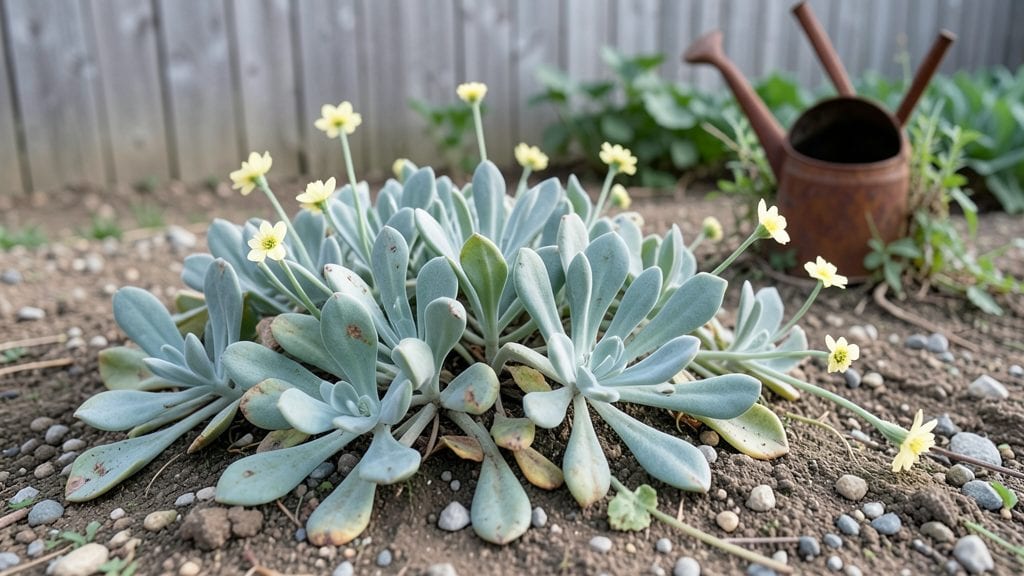
"Gravel gardens aren’t just for cacti—some of the most stunning, low-maintenance plants absolutely love the gritty, well-draining conditions. 🌵 I’ve turned my backyard into a drought-proof oasis by swapping mulch for pebbles and filling it with plants that thrive where others would wilt.
The key? Choosing species that hate soggy roots and love the heat retention gravel provides.
Think beyond succulents—ornamental grasses like blue fescue sway in the breeze, sedums spread like living carpets, and lavender releases its signature fragrance with zero effort. Even perennials like Russian sage and catmint flourish here, their deep roots reaching moisture while their foliage stays vibrant through scorching summers.
The gravel itself becomes part of the design, reflecting light and keeping weeds at bay.
You’ll end up with a garden that looks polished without weekly watering or weeding. The texture contrasts beautifully with soft foliage, and the heat-retaining gravel means plants stay active even when temperatures spike. Plus, the drainage prevents root rot, so you’re not constantly battling fungal diseases that plague traditional gardens.
Works for sunny patios, sloped yards, or even container arrangements—just match plants to your gravel’s depth and drainage. Here’s how to pair the right species for your space’s specific conditions."
📚 In This Guide
- What you need
- Instructions
- Tips and common mistakes
- Wrapping up and next steps
What you need
- ● Gravel: 2–3 inches of decorative pebbles (1/4"–3/4" size) or crushed stone (3/8"–1" size). Coverage: ~10–12 sq. ft. per 50-lb bag. (Pro tip: 💡 Opt for sharp-edged gravel to deter weeds!)
- ○ Landscape Fabric: 3–4 ft. wider than your garden bed to prevent weeds. (Optional but highly recommended!)
- ● Garden Soil: 3–4 inches of well-draining potting mix (avoid clay-heavy soil). ~1 cubic yard per 100 sq. ft.
- ● Companion Plants: Drought-tolerant picks like sedum, lavender, or Russian sage. Check spacing needs (e.g., 12–24" apart for most perennials).
- ○ Mulch (Optional): 1–2 inches of organic mulch (e.g., bark chips) to retain moisture near plant bases.
- ● Shovel or spade
- ● Rake (for leveling gravel)
- ● Wheelbarrow (for hauling materials)
- ● Garden gloves & knee pads (trust us, they’re a game-changer!)
- ● Measuring tape & stakes (to mark garden edges)
- ● Hose with nozzle (for watering—minimal but effective!)
- ● Sunny or partially sunny location (6+ hours of light daily).
- ● Well-draining soil (amend with sand if needed).
- ● Access to water (even drought-proof plants need a drink to establish!).
Step-by-step guide to designing a low-maintenance gravel garden
Here's how to create a stunning, water-wise landscape that stays lush without constant care.
🪴 Step 1: Choose the Right Drought-Tolerant Plants
Select plants that naturally thrive in dry conditions and match your climate zone. For a 4-plant gravel garden, I recommend a mix of succulents, ornamental grasses, and flowering perennials like sedum, lavender, Russian sage, and ice plant. These varieties store water in their leaves or roots and bloom beautifully with minimal moisture.
Check each plant's mature size to ensure they won't outgrow your space. For example, lavender stays compact at 1-2 feet tall, while Russian sage can reach 3-5 feet and needs more room. Group plants with similar water needs together for easier maintenance.
🌱 Step 2: Prepare the Base Layer for Proper Drainage
Start by clearing the area of weeds or grass, then lay down 2-3 inches of landscape fabric to prevent weeds from growing through the gravel. This fabric should extend slightly beyond your planting area to contain everything neatly. Next, spread a 3-inch layer of coarse gravel over the fabric to create a stable base.
Use ½-inch to ¾-inch washed gravel for the base layer—this size allows water to drain quickly while providing stability. Press it down lightly with your hands or a tamper to eliminate air pockets. This layer prevents soil from mixing with the decorative gravel above and keeps roots healthy.
☀️ Step 3: Plant With Spacing for Airflow and Sunlight
Dig holes for each plant twice as wide as the root ball but only as deep as the container they came in. Space succulents and small perennials 12-18 inches apart, while larger plants like Russian sage need 2-3 feet between them. This spacing ensures airflow, reducing the risk of fungal diseases that thrive in damp conditions.
Place each plant in its hole, then fill with native soil mixed with perlite (use 1 part perlite to 3 parts soil) to improve drainage. Water deeply right after planting to help roots settle into the soil. Avoid compacting the soil around the roots—just let it settle naturally as you add more soil.
💧 Step 4: Add Decorative Gravel and Mulch Strategically
Choose smaller gravel (¼-inch to ½-inch) for the top layer to create a polished look. Spread it evenly over the soil, leaving a 1-inch gap around each plant to prevent the gravel from touching the stems. This gap helps retain moisture near the roots while keeping the foliage dry.
For extra drought protection, apply a 1-inch layer of organic mulch (like bark chips) around the base of each plant, but keep it 2-3 inches away from stems. This mulch helps retain any moisture in the soil while allowing excess water to drain away. Water the garden deeply once a week during the first month to help roots establish, then reduce to every 2-3 weeks once mature.
✂️ Step 5: Maintain With Minimal Effort
Once established, your gravel garden will need very little care. Remove any weeds that pop up by hand—gravel makes weeding quick and easy. Prune dead or leggy stems in early spring to encourage fresh growth, and trim back overgrown perennials after they finish blooming to maintain their shape.
Fertilize lightly once a year in early spring with a slow-release, balanced fertilizer (like 10-10-10). Over-fertilizing can lead to lush, water-hungry growth, which defeats the purpose of a drought-tolerant garden. Watch for signs of stress like yellowing leaves or wilting—these usually mean the plants need more water, not fertilizer.
Tips & tricks for perfect gravel garden design
A few simple strategies will help your drought-proof garden look stunning with almost no effort.
Plant Selection Wisdom: Lavender and Russian sage are my top picks for fragrance and resilience. I always check the mature height before buying—Russian sage's 3-5 feet spread means it needs the back of the garden, while lavender's compact 1-2 feet size works perfectly near walkways. Grouping plants by water needs (like succulents together) creates microclimates that reduce maintenance.
Drainage Layer Secret: The 3-inch base layer of ½-inch to ¾-inch gravel isn't just for looks—it's the foundation of your drought-proof system. I press it down firmly to eliminate air pockets, which prevents soil from mixing up later. Pro tip: Use a tamper or even a flat board to create an even, solid base that won't shift over time.
Spacing for Airflow: Those 12-18 inch spacings between succulents aren't just decorative—they're essential for preventing fungal diseases. I mark planting spots with small stakes before digging to ensure perfect spacing, especially important for Russian sage which needs that full 2-3 feet. This airflow keeps foliage dry and healthy between infrequent waterings.
Mulch Placement: The 1-inch layer of organic mulch around stems (but kept 2-3 inches away) is what makes this garden truly low-maintenance. I use bark chips because they break down slowly, adding organic matter to the soil over time. This mulch ring helps retain any moisture while preventing the gravel from touching plant stems, which could cause rot.
Pro Tips for Gravel Garden Plants
- A few simple strategies will help your drought-proof garden look stunning with almost no effort.
- Plant Selection Wisdom: Lavender and Russian sage are my top picks for fragrance and resilience.
- Drainage Layer Secret: The 3-inch base layer of ½-inch to ¾-inch gravel isn't just for looks—it's the foundation of your drought-proof system.
Frequently asked questions
Got questions about creating a low-maintenance gravel garden?
Here are answers to the most common ones—so you can design with confidence!
What are the best drought-resistant plants for a gravel garden?
Opt for succulents (like Sedum or Echeveria), ornamental grasses (Carex or Festuca), and hardy perennials like lavender or Russian sage. These thrive in well-draining gravel with minimal watering. Pro tip: Mix textures—spiky yuccas or rounded Crassula add visual interest!
How long does it take for gravel garden plants to establish?
Most drought-tolerant plants take 2–3 months to root in gravel. Succulents and grasses adapt fastest, while woody shrubs (like rosemary) may need 6 months. Avoid overwatering during establishment—let soil dry completely between waterings to prevent rot.
Do gravel gardens need mulch?
Not traditional mulch! Instead, use a thin layer (1–2 inches) of gravel, pebbles, or bark chips to suppress weeds and retain moisture. Skip organic mulch—it decomposes and clogs drainage. Bonus: Light-colored gravel reflects heat, keeping roots cooler in summer!
How do I keep pests away from my gravel garden?
Gravel deters many pests, but watch for aphids (on succulents) or snails (in moist spots). Spray plants with neem oil or introduce ladybugs. For snails, add a diatomaceous earth barrier around the edges. Pro tip: Healthy, spaced-out plants are less vulnerable!
Can I add flowers to a gravel garden?
Choose drought-loving annuals like Portulaca (moss rose) or Gaillardia (blanket flower), or perennials such as Salvia or Penstemon. Avoid heavy bloomers—they may need more water. Design hack: Pair flowers with grasses for a natural, layered look!
Wrapping up and next steps
Creating a gravel garden is all about embracing simplicity and sustainability—no green thumb required! 🌿 With the right drought-proof plants, you’ll enjoy a low-maintenance, stunning outdoor space that thrives even in dry conditions.
Whether you’re drawn to succulents, ornamental grasses, or hardy perennials, these plants bring texture, color, and resilience to your landscape.
Ready to transform your yard? Start small—pick 2-3 plants from our list, sketch a simple layout, and dive in! Your future self (and the planet) will thank you. Happy gardening! 🌱✨