Tools
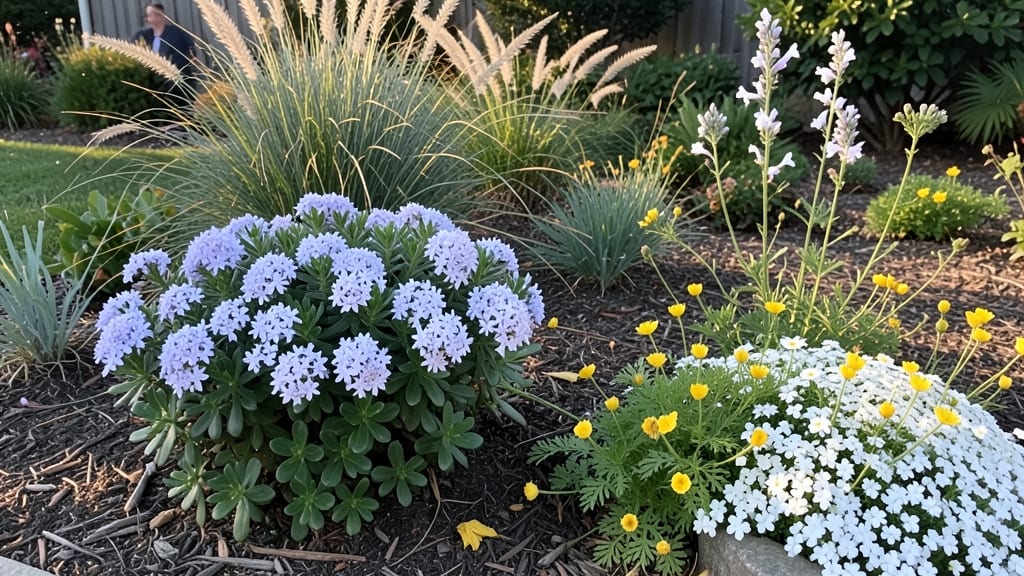
Pasadena flower gardens shine brightest when they embrace the city’s sun-drenched, drought-prone summers—and I’ve designed a scheme that does exactly that. 🌻 The key? Pairing native California plants with Mediterranean favorites that sip water like pros while packing in bold color from spring through fall.
My front yard now bursts with lavender, salvias, and California poppies without a single sprinkler running after noon.
You don’t need a green thumb to pull this off—just a sunny spot, well-draining soil, and a few strategic plant combos.
Start with three core layers: drought-tolerant perennials for structure (like ceanothus or manzanita), seasonal annuals for pops of color (think nemesia or sweet peas), and ground covers (like creeping thyme) to keep weeds at bay.
Local nurseries like Theodore Payne Foundation stock everything you’ll need, and their staff can point you to Pasadena’s best varieties.
By late spring, you’ll have a garden that smells like a Provence countryside but survives on half the water—velvety lavender, snappy salvias, and poppies that bounce back after heatwaves.
The best part? These plants attract hummingbirds and butterflies while keeping maintenance simple. I’ve even included a low-water irrigation hack that cuts usage by 60%.
This design works for everything from small urban yards to larger residential plots—just scale the plant quantities. For extra local flair, swap in a few Pasadena favorites like Cleveland sage or California fuchsia. Ready to make your garden as resilient as it is beautiful?
📚 In This Guide
- What you need
- Instructions
- Tips and common mistakes
- Wrapping up and next steps
What you need
- ● Drought-resistant plants (5–10+ varieties): Lavender (3–5 bushes)
- ● California Poppies (10–20 seeds or plants)
- ● Succulents (e.g., Agave or Sedum, 5–8 plants)
- ● Yarrow (3–5 plants)
- ● Salvia (3–5 plants)
- ● Soil amendments: Compost (2–3 cubic yards)
- ● Perlite or pumice (1–2 bags, for drainage)
- ● Slow-release fertilizer (e.g., 10-10-10, 1 bag)
- ● Mulch: Gravel or decomposed granite (3–5 bags, ½"–1" size)
- ○ Optional: Wood chips (2–3 bags, for aesthetics)
- ● Hand tools: Trowel (1)
- ● Pruning shears (1)
- ● Garden gloves (1 pair)
- ● Larger tools: Shovel (1)
- ● Rake (1)
- ● Wheelbarrow (1, for hauling soil)
- ● Watering supplies: Drip irrigation kit (or soaker hoses, 50–100 ft)
- ● Watering can (1, for seedlings)
- ● Sunny spot (6+ hours of direct sunlight daily)
- ● Well-draining soil (amend clay soil with perlite if needed)
- ● Water access (hose or irrigation system)
- ○ Optional: Garden trellis (for climbing plants like Morning Glory)
- ○ Optional: Rain gauge (to monitor water usage)
Step-by-Step instructions for designing a Pasadena-friendly flower garden
Sun-drenched Pasadena gardens demand smart choices—here’s how to build a vibrant, water-wise display that blooms reliably year after year.
🌱 Step 1: Select Native and Drought-Tolerant Plant Varieties
Pasadena’s Mediterranean climate rewards plants that thrive on minimal water once established. I focus on California native wildflowers like California poppy (Eschscholzia californica) and purple sage (Salvia leucantha), which handle heat and drought with ease. These plants have deep root systems that access moisture deep underground, reducing surface evaporation.
For year-round color, add lavender (Lavandula) and California buckwheat (Eriogonum fasciculatum). Both tolerate poor soil and require watering only every 10-14 days once mature. Avoid non-native thirsty plants like petunias or geraniums—they’ll demand constant attention and wilt in summer heat.
🪴 Step 2: Prepare Soil for Water Efficiency
Pasadena’s clay-heavy soil drains poorly, so I amend it with 3 inches of compost mixed into the top 6 inches of soil. This improves water retention without creating soggy conditions. For containers, use a well-draining potting mix with added perlite to prevent compaction.
Spread 1 inch of mulch (like straw or wood chips) around plants to lock in moisture and suppress weeds. Mulch also keeps roots cooler in summer, which is critical for heat-sensitive blooms. Replenish mulch annually—it breaks down and loses effectiveness over time.
☀️ Step 3: Design for Sun Exposure and Wind Protection
Pasadena’s full sun conditions (6+ hours daily) mean most flowers will thrive, but placement matters. Group taller plants like California fuchsia (Epilobium canum) at the back or center, with shorter varieties like deer grass (Muhlenbergia rigens) in front. This prevents shading and ensures all plants get equal light.
For windy areas, use low-growing ground covers like creeping thyme (Thymus serpyllum) to break wind currents. Wind stress dehydrates plants faster, so I always plant windbreaks on the north or west sides of beds where afternoon breezes are strongest.
💧 Step 4: Implement a Strategic Watering Schedule
Newly planted flowers need deep watering 2-3 times per week for the first 4-6 weeks to establish roots. After that, shift to weekly deep watering—1-2 inches per week—delivered early in the morning to reduce evaporation. Drip irrigation or soaker hoses work best, as they water at the soil level where roots absorb moisture.
Check soil moisture by sticking your finger 2 inches deep—if it feels dry, water. If it’s still damp, wait. Overwatering is just as harmful as underwatering in Pasadena’s heat. I’ve seen many gardens fail because people watered lightly every day instead of deeply and infrequently.
✂️ Step 5: Prune and Maintain for Continuous Blooms
Deadhead spent blooms regularly to encourage California poppies and purple sage to produce more flowers. I use clean, sharp pruners to trim just above a leaf node, which stimulates new growth. For lavender, I shear lightly after flowering to maintain its compact shape—never cut into old wood, or it won’t regrow.
Fertilize lightly in early spring with a balanced organic fertilizer (like 5-5-5) to support new growth, but avoid heavy feeding. Native plants prefer lean soil and over-fertilizing leads to weak stems and fewer blooms. A little goes a long way in Pasadena’s dry climate.
Tips & tricks for perfect Pasadena flower garden design
Pasadena’s sun-soaked climate turns many gardens into wilting disappointments—but these pro tips ensure your drought-resistant blooms thrive year-round without constant fuss.
Plant Placement Matters: In Step 3, when arranging your California poppy and purple sage, create a "sun gradient" by placing taller varieties like California fuchsia in the north side of your bed. This prevents them from casting shadows on shorter plants like deer grass during Pasadena’s intense afternoon sun. I’ve seen gardens where poppies struggled because they were planted in the center—always group sun-lovers together and place them where they’ll get that full 6+ hours of light.
Soil Science Secrets: For Step 2, don’t just amend the top 3 inches of soil—focus on the full 6-inch depth where most roots will grow. I use a broadfork to loosen compacted clay before adding compost, creating channels that improve water penetration. In containers, mix in perlite at a 1:3 ratio with potting soil—this prevents the dreaded "soggy bottom" syndrome that kills many container plants in Pasadena’s heat.
Watering Wisdom: The 2-3 times per week watering in Step 4 might seem excessive, but it’s crucial for those first 4-6 weeks. Here’s the trick: water deeply until you see moisture reach 6 inches down—use a moisture meter or dig a small hole to check. This encourages roots to grow deep where they’ll find natural moisture later. Once established, your California buckwheat will survive on that weekly 1-2 inches, but the initial investment pays off big time.
Pruning Precision: When deadheading in Step 5, use clean pruners and make cuts at a 45-degree angle just above a leaf node. This small detail prevents water from pooling on the cut surface, which can cause rot. For lavender, I wait until after flowering to prune—cutting back too early removes next year’s flower buds. And never cut into old wood: lavender won’t regrow from there, but it will from fresh green growth.
Pro Tips for Pasadena Flower Garden
- Pasadena’s sun-soaked climate turns many gardens into wilting disappointments—but these pro tips ensure your drought-resistant blooms thrive year-round without constant fuss.
- Plant Placement Matters: In Step 3, when arranging your California poppy and purple sage, create a "sun gradient" by placing taller varieties like California fuchsia in the north side of your bed.
- Soil Science Secrets: For Step 2, don’t just amend the top 3 inches of soil—focus on the full 6-inch depth where most roots will grow.
Frequently asked questions
What are the best drought-resistant flowers for Pasadena’s hot, sunny climate?
Pasadena’s Mediterranean climate thrives with lavender, succulents (like agave or sedum), California poppies, and bougainvillea. These plants love full sun and minimal water once established. Pro tip: Mix native species like California Fuchsia for extra resilience!
How long does it take for a drought-resistant garden to fully establish?
Most drought-resistant plants take 3–6 months to root deeply and reduce water needs. During this time, water deeply but infrequently (every 7–10 days) to encourage strong roots. After a year, many will need watering only once a month or during extreme heat.
Can I still have colorful blooms with drought-resistant plants?
Many drought-tolerant flowers burst with color, like blanket flower (Gaillardia), purple sage, or yarrow. For year-round interest, pair bloomers with ornamental grasses (e.g., Mexican feather grass) and evergreen shrubs like rosemary.
What’s the best way to troubleshoot wilting in drought-resistant plants?
Wilting can signal underwatering (common in new gardens) or overwatering (root rot risk). Check soil 2 inches deep—if dry, water deeply; if soggy, hold off. Mulch with gravel or wood chips to retain moisture and reduce evaporation. Most drought plants wilt in heat but bounce back!
Are there low-maintenance alternatives to traditional flower beds?
Yes! Consider xeriscaping with rock gardens, ground covers (like creeping thyme), or container gardens filled with drought-tolerant succulents. These require little to no mowing and zero weekly watering once established. Perfect for busy gardeners!
Wrapping up and next steps
Transforming your Pasadena garden into a vibrant, drought-resistant oasis is easier than you think! 🌸 With the right sun-loving blooms and a few smart strategies, you’ll enjoy a flourishing space that’s both beautiful and sustainable.
Whether you’re a seasoned gardener or just starting out, every small step—like choosing native plants or mulching wisely—makes a big difference.
Ready to dive in? Start small: pick one or two plants from our guide, gather your supplies, and begin planting this weekend. Your future garden (and the local bees!) will thank you. 🌞