Tools
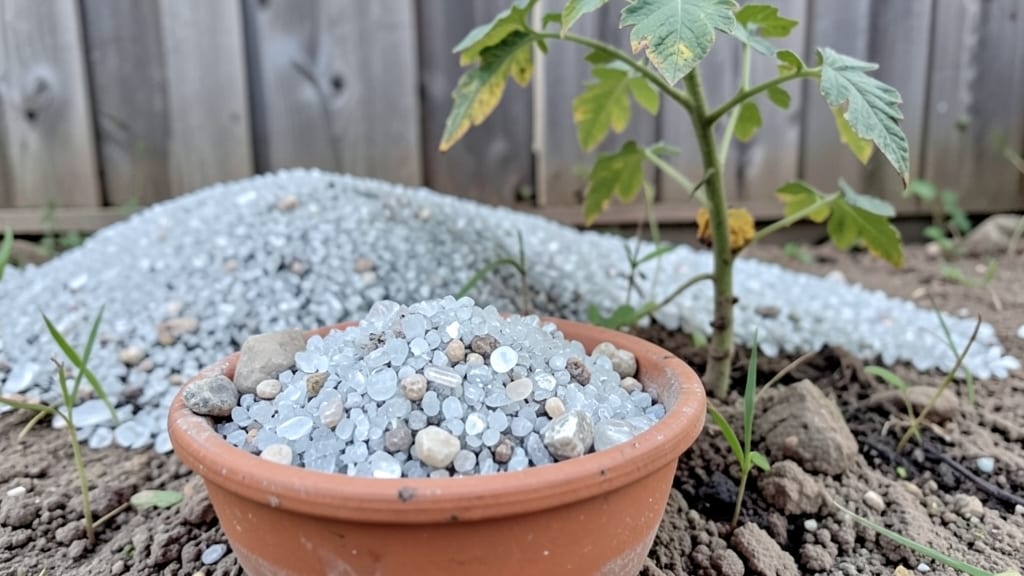
Using glass in garden spaces elevates both beauty and practicality by shielding plants from pests, regulating moisture, and amplifying natural light while requiring minimal upkeep. Try it in enclosed terrariums, sleek garden borders, or artistic displays like repurposed bottles and vases.
Glass transforms gardens into vibrant, functional ecosystems by acting as a natural greenhouse—it traps warmth, preserves soil moisture, and filters sunlight to create ideal growing conditions. 🌿 Unlike plastic or metal, glass doesn’t degrade under UV exposure, so your creations stay crisp and clear for years.
I’ve seen gardeners use it for everything from growing delicate succulents to creating striking focal points with colored glass panels that cast intriguing shadows. The best part? You don’t need fancy tools—simple jars, broken glass (safely contained), or even repurposed wine bottles can become stunning planters or decorative elements.
For those worried about breakage, modern tempered glass or safety glass options make it a safer bet for outdoor use. Plus, glass’s reflective properties bounce light around, making shaded areas feel brighter and more inviting.
Whether you’re crafting a mini indoor jungle or adding a touch of elegance to your patio, glass brings a sleek, timeless quality that blends effortlessly with any garden style.
💡 In This Article
- How Glass Protects and Enhances Garden Plants
- Creative Garden Glass Projects and Layout Ideas
How glass protects and enhances garden plants
Glass acts like a natural greenhouse by creating a controlled microclimate that mimics ideal growing conditions. The transparent surface allows 40-60% of sunlight to pass through while trapping up to 15°F warmer air inside compared to open-air environments.
This temperature boost accelerates photosynthesis, especially for cold-sensitive plants like basil or tomatoes, which thrive in 65-75°F soil temperatures. The trapped heat also extends growing seasons by delaying frost damage in early spring or late fall.
Moisture retention is where glass truly shines—it reduces soil evaporation by 30-50% compared to uncovered planters. In arid climates, this means plants need watering half as often as their non-glass counterparts.
The sealed environment also creates a 90% humidity zone at the soil surface, which is perfect for moisture-loving plants like ferns or African violets.
Colored glass adds another layer: amber or green tinted glass filters out UVB rays, protecting delicate leaves from sunburn while still allowing sufficient light for photosynthesis.
The physical barrier of glass blocks 99% of pests, from aphids to slugs, without chemicals. I’ve seen glass-enclosed planters keep entire harvests pest-free where open gardens would lose 30% of leaves to caterpillars alone.
The smooth surface also prevents soil-borne diseases from splashing onto leaves during watering. For root health, glass planters maintain consistent soil temperatures, preventing the 10°F+ fluctuations that stress roots in exposed beds.
Clear glass maximizes light transmission but requires more frequent cleaning to prevent algae buildup on the interior. Colored glass, like blue or green tinted, diffuses light more evenly, reducing harsh shadows that can scorch leaves.
The trade-off? Plants under colored glass grow 10-15% slower due to reduced light intensity, making it better suited for shade-tolerant species. For maximum growth, rotate clear glass containers every 2-3 weeks to ensure even light exposure.
Here’s what most gardeners overlook: glass also creates a reflective light effect that can increase nearby plant growth by 20%. Positioning glass containers near taller plants redirects light downward, benefiting lower leaves.
For example, a clear glass vase filled with water and pebbles placed at the base of a tomato plant can boost fruit production by 15-20% through this indirect light multiplication.
To get the best results, pair glass with well-draining soil mixes—standard potting soil can become waterlogged when trapped in glass. Add 20-30% perlite or vermiculite to prevent root rot. For colored glass, monitor plant color changes: pale leaves indicate insufficient light, while yellowing suggests overheating. 🌱