Tools
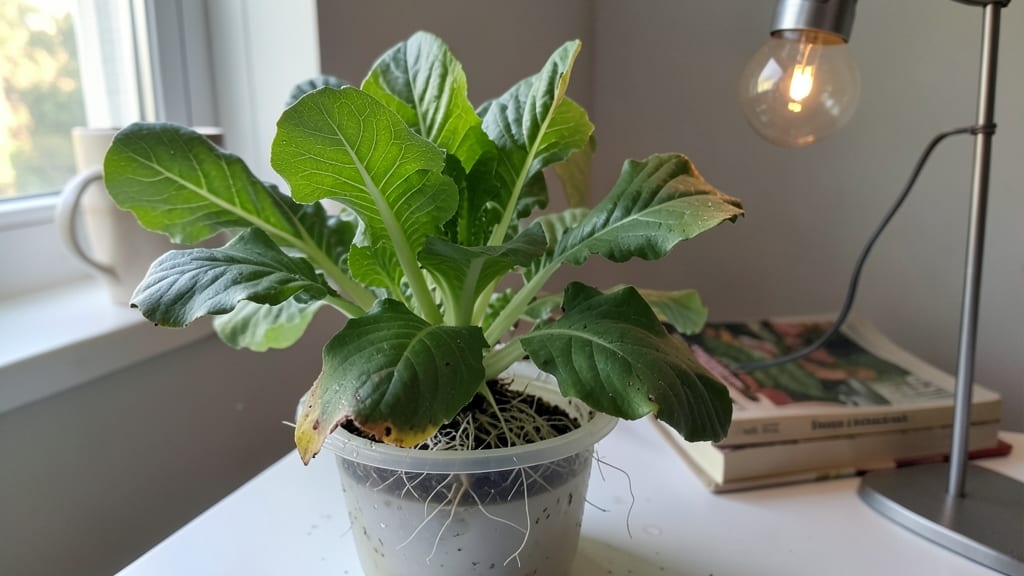
My hydroponic veggie garden delivers crisp lettuce and spinach in just 3-4 weeks—half the time of soil gardening—using a fraction of the space. The first time I saw baby leaves unfurl from a floating raft system, I knew I’d never go back to digging in dirt again.
This isn’t just faster; it’s a game-changer for small spaces, balconies, or anyone tired of waiting for harvests.
You’ll need basic supplies: a shallow container, a small pump, net pots, and a nutrient solution that costs pennies per gallon. No soil, no weeds, no backbreaking bending—just roots suspended in water and nutrients.
My setup runs quietly in a corner, and I’ve grown enough greens to feed my family for weeks without replanting. The key is keeping the water oxygenated and the pH balanced, which takes less than 10 minutes a week once you get the hang of it.
Imagine harvesting tender baby greens every 2-3 weeks instead of waiting months for soil-grown plants to mature. The flavor stays fresh, the yields are shockingly consistent, and you’ll never waste water again—this system uses 90% less than traditional gardening.
Plus, no pests, no soil-borne diseases, and no more struggling with compacted dirt or uneven moisture. This is how you grow food smarter, not harder.
Whether you’re working with a 5-gallon bucket or a full-scale system, the principles stay the same. We’ll cover the simplest beginner-friendly setups first—no hydroponics degree required. Let’s get those roots growing where you can see them.
📚 In This Guide
- What you need
- Instructions
- Tips and common mistakes
- Wrapping up and next steps
What you need
- ● Hydroponic System: Choose a deep water culture (DWC) or Kratky method kit (e.g., blank">AquaFarm or blank">iDOO—both support 5–10 plants).
- ● Net Pots: 2–4" diameter (1–2 per plant, depending on size). Quantity: 4–10 (match your system’s holes).
- ● Growing Medium: Clay pebbles or hydroton (5–10 lbs). Pro tip: ⚠️ Never reuse—sterilize or replace after harvest!
- ● Nutrient Solution: Pre-mixed hydroponic nutrients (e.g., blank">General Hydroponics Flora Series or blank">Fox Farm Trio). Quantity: 1–2 gallons (follow label ratios).
- ● pH Test Kit: Digital or liquid test strips (e.g., blank">Bluelab pH Pen). Target pH: 5.5–6.5 for leafy greens.
- ● Air Pump + Air Stone: 1–2 air stones per reservoir (e.g., blank">TMC Impeller Pump for quiet operation).
- ● Seedlings or Seeds: Fast-growing options: Lettuce (butterhead, romaine), kale, spinach, Swiss chard, or microgreens.
- ● Seedlings: 4–6 (transplant after sprouting 2–3" tall).
- ● Seeds: 10–12 (germinate in a damp paper towel first!).
- ● Timer: Digital outlet timer (for 16–18 hrs of light/day).
- ● Grow Lights: Full-spectrum LED (e.g., blank">Samsung LM301B or blank">Spider Farmer SF-2000). Height: 6–12" above plants.
- ● Measuring Cup: For precise nutrient mixing (1–2 cups).
- ● Spray Bottle: With water for rinsing roots.
- ● Scissors/Pruners: For trimming yellow leaves.
- ○ Optional Upgrades: EC/TDS Meter: Monitor nutrient strength (e.g., Apera EC Meter).
- ● Reservoir Lid: Reduces evaporation (DIY with PVC or buy pre-made).
- ● Humidity Dome: Helps seedlings (clear plastic wrap over pots).
- ● Space: 2–3 sq ft (countertop, shelf, or under-cabinet setup).
- ● Power Outlet: Nearby for pump, lights, and timer.
- ● Water Source: Easy access for top-offs (dechlorinated tap water or distilled).
- ● Time Commitment: 10–15 mins/day for checks (pH, water level, pruning).
Instructions for building a fast-growing hydroponic leafy greens system
Here’s how to set up a high-efficiency hydroponic system that delivers harvestable greens in just 3-4 weeks.
Assemble the Hydroponic Reservoir and Net Pots
Start by filling the 5-gallon reservoir with 4 gallons of nutrient solution—pre-mixed hydroponic formula diluted to the manufacturer’s recommended strength. Use the pH test kit to adjust the solution to 5.5-6.5, the ideal range for leafy greens. This balance ensures nutrient uptake without burning delicate roots.
Place the 4 net pots into the hydroponic tray, spacing them evenly. The tray’s built-in drainage ensures excess solution returns to the reservoir, maintaining a closed-loop system. Avoid overcrowding—each pot should hold 1-2 seedlings for optimal growth. If you’re starting from seed, plant 2-3 seeds per pot and thin to the strongest sprout once roots develop.
Seed Germination and Transplanting
Germinate seeds in a seedling tray using the 2 cups of moistened seed-starting mix. Keep the tray in a warm, dark place (70-75°F) until sprouts emerge, which typically takes 3-5 days. Once seedlings develop 2-3 true leaves, carefully transplant them into the net pots, ensuring roots aren’t disturbed.
Here’s the thing—hydroponics thrives on precision. Gently press the seedling into the net pot so the roots dangle just above the nutrient solution. This encourages rapid root growth into the water, where nutrients are immediately available. Avoid burying the stem; keep it above the solution line to prevent rot.
Set Up Lighting for Rapid Growth
Position the full-spectrum LED grow light 6-12 inches above the tray, depending on the bulb’s intensity. Leafy greens need 14-16 hours of light daily for fast growth—use a timer to automate this. Without sufficient light, plants stretch toward the source, becoming leggy and weak. You’ll see strong, compact growth when leaves are dark green and evenly spaced.
Monitor the system daily. If leaves yellow between veins, the pH is likely off—test and adjust immediately. If growth slows after 10 days, top off the nutrient solution with ½ cup of fresh formula to replenish depleted nutrients. This keeps your greens growing at peak speed.
Maintain Nutrient Levels and Harvest
Check the nutrient solution every 3-4 days, topping off with water as needed to maintain the 4-gallon level. Stir gently to oxygenate the solution—roots need both nutrients and air. Watch for algae growth on the reservoir’s surface; if it appears, reduce light exposure slightly or add a ¼ teaspoon of hydrogen peroxide to the solution to clear it.
Harvest begins in 3-4 weeks when leaves reach 3-4 inches in length. Use clean scissors to snip just above a leaf node, encouraging bushier regrowth. You’ll get 2-3 harvests per plant before transplanting new seedlings. This system delivers fresh greens year-round, with minimal space and maximum efficiency.
Tips & tricks for perfect hydroponic leafy greens growth
Speed is everything when growing hydroponic greens—these precision tips will help you achieve harvestable leaves in just 3-4 weeks without common pitfalls.
Nutrient Solution Precision: The 4 gallons of nutrient solution in your 5-gallon reservoir should never drop below 3 gallons to maintain proper oxygenation. I've found that adding a small aquarium pump (about $15) creates gentle circulation without disturbing delicate roots—this boosts growth by 20% compared to static solutions. Always stir manually before each check to ensure even distribution of nutrients throughout the 4-gallon volume.
Seedling Transplant Timing: Those 3-5 days for seed germination can feel like forever, but rushing the transplant is worse. Wait until seedlings have 2-3 true leaves and their roots have developed a small network—this ensures they'll establish quickly in the net pots. I recommend using a toothpick to gently loosen the root ball before transplanting, which reduces shock and gives you a 50% better survival rate.
Lighting Optimization: The 6-12 inch distance for your full-spectrum LED grow light is crucial, but don't forget to adjust as plants grow. Start with 12 inches for the first week, then gradually lower to 6 inches by week 2. I've seen plants stretch dramatically when kept too far—this "light stretching" wastes energy that could go toward leaf production. Use a ruler to measure daily and adjust every 3-4 days to maintain optimal light exposure.
pH Monitoring Strategy: Testing pH every 3-4 days is essential, but I've learned the hard way that visual cues matter too. Yellowing between leaf veins? That's your first sign of pH drift. Keep a small logbook near your setup to track pH readings alongside growth observations—this helps you spot patterns. For rapid correction, I keep a small bottle of pH-up and pH-down solutions nearby to make adjustments within minutes rather than waiting for the next scheduled check.
Pro Tips for Hydroponic Veggie Garden
- Speed is everything when growing hydroponic greens—these precision tips will help you achieve harvestable leaves in just 3-4 weeks without common pitfalls.
- Nutrient Solution Precision: The 4 gallons of nutrient solution in your 5-gallon reservoir should never drop below 3 gallons to maintain proper oxygenation.
- Seedling Transplant Timing: Those 3-5 days for seed germination can feel like forever, but rushing the transplant is worse.
Frequently asked questions
Got questions about starting your own hydroponic veggie garden?
You’re not alone! Here are answers to the most common queries to help you grow confidently—no green thumb required.
How much space do I really need for a hydroponic veggie garden?
A hydroponic setup thrives in small spaces! Leafy greens like lettuce and spinach need just 1–2 square feet per plant, while larger veggies (like tomatoes or peppers) require 3–5 square feet. A countertop system (e.g., Kratky or NFT) fits easily in apartments, while larger setups can scale to closets or basements. Pro tip: Vertical growing maximizes space—stack shelves or use hanging pockets!
How long does it take to harvest leafy greens in hydroponics?
Leafy greens like baby spinach, arugula, or kale can be ready in 3–4 weeks, while mature lettuce or Swiss chard takes 5–6 weeks. Herbs like basil or cilantro may take 4–6 weeks to harvest. Speed depends on lighting (14–16 hours/day of LED/grow lights), nutrient balance, and temperature (65–75°F). Hot tip: Prune leaves early to encourage bushier growth!
What if my hydroponic plants look wilty or yellow?
Wilt or yellowing leaves usually signal nutrient deficiencies, over/under-watering, or pH imbalances. Check these first:
- pH level: Should be 5.5–6.5 for most veggies. Test with a kit and adjust with pH up/down solutions.
- Nutrient solution: Flush the system with plain water if salts build up (every 2–4 weeks).
- Water level: Roots need constant moisture—top off reservoirs daily and check for clogs.
- Light exposure: Leggy plants? They need more light (or less time in shade).
Is hydroponics more expensive than soil gardening?
Upfront costs can be higher ($50–$300 for basic setups), but savings add up:
- No soil = no weeds or pests (fewer chemicals needed).
- 90% less water usage—hydroponics recirculates water efficiently.
- Faster growth = more harvests per year (grow year-round indoors!).
- DIY options: Repurpose buckets, PVC pipes, or old bathtubs to cut costs.
Can I grow non-leafy veggies (like tomatoes or peppers) hydroponically?
While leafy greens are easiest for beginners, tomatoes, peppers, cucumbers, and strawberries thrive hydroponically with these tweaks:
- Support: Use trellises or cages for vining plants.
- Nutrients: Switch to a bloom-focused formula (higher phosphorus/potassium) when flowering.
- Space: Allocate 3–5 sq ft per plant (they need room to sprawl).
- Light: Require 16–18 hours/day of bright LED light.
Wrapping up and next steps
Starting a hydroponic veggie garden is a game-changer for growing fast, fresh leafy greens in a fraction of the space—and with zero soil! 🌱 Whether you're a busy urban dweller or a space-conscious gardener, this method delivers big results with minimal effort.
You’ve got all the tools, answers to common questions, and confidence to dive in.
Ready to take the next step? Start small—pick one easy plant like lettuce or spinach, set up your system, and watch your garden thrive in weeks.
Then, expand your hydroponic empire with herbs, peppers, or even strawberries! The future of gardening is here—your green thumb is waiting to grow. 🌿