Tools
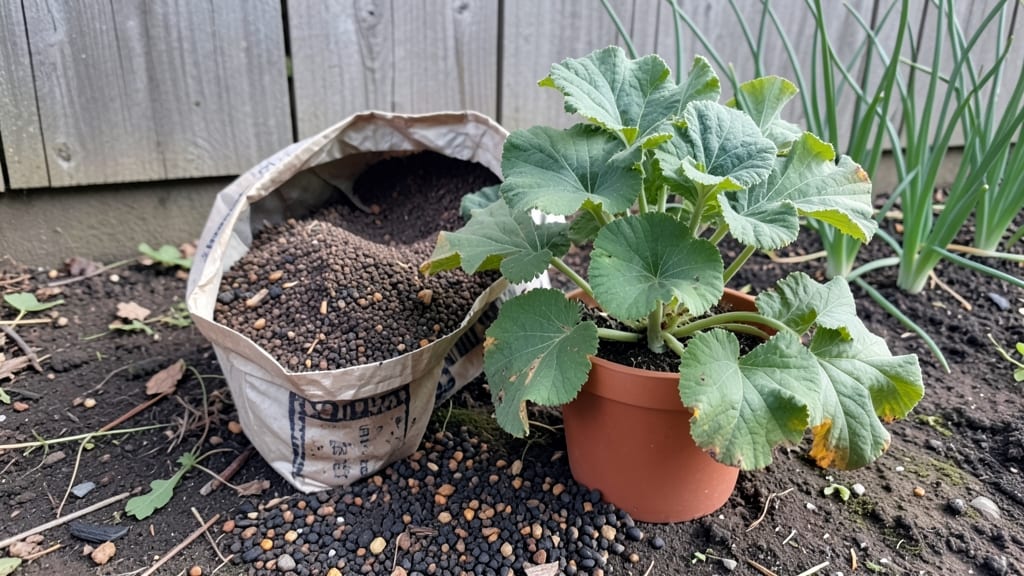
Garden post ideas include rustic wooden stakes, decorative metal rods, and creative repurposed materials like bamboo or vintage bottles, each offering distinct style and practicality for organizing garden spaces.
Choosing the right garden post materials transforms a simple functional need into a design statement.
Wooden posts bring natural warmth to cottage gardens, while metal options add sleek, modern lines that work well in urban spaces. 🌿 I’ve found that repurposed materials—like wine bottles or old tires—aren’t just eco-friendly but also add unexpected character to pathways or plant markers.
The key is matching the material to your garden’s aesthetic and climate needs, whether that means weather-resistant metal for coastal areas or lightweight bamboo for easy DIY projects.
Beyond materials, the design approach matters just as much. Painted lattice posts can frame climbing plants beautifully, while carved wooden stakes add handmade charm. For small spaces, consider slim bamboo canes or even painted rocks—both lightweight and easy to customize.
The best designs balance visibility, durability, and visual appeal, ensuring your garden stays organized without sacrificing style.
💡 In This Article
- Best Materials for Durable Garden Posts
- DIY Garden Post Designs for Personalized Spaces
Best materials for durable garden posts
Wooden posts remain a classic choice because of their natural aesthetic and ease of customization. Cedar and redwood, for instance, resist rot exceptionally well due to their natural oils—cedar lasts 15-20 years untreated in ground-level conditions, while redwood can endure 20-30 years with minimal maintenance.
The grain patterns and warm tones blend seamlessly into cottage or woodland gardens, creating a rustic charm. However, untreated wood requires sealing every 1-2 years to prevent moisture absorption and insect damage, which can be labor-intensive for larger gardens.
Metal posts, particularly galvanized steel or aluminum, offer unmatched durability in harsh climates. These materials resist rust, warping, and pests entirely, making them ideal for coastal or high-humidity areas where wood would degrade quickly.
A 3-inch diameter steel post can support 50+ pounds of weight, perfect for heavy-duty applications like trellises or pathway dividers. The downside? Metal reflects sunlight intensely, which can create glare in sunny gardens.
Powder-coated finishes in matte black or brushed bronze help diffuse light while adding a modern touch to contemporary spaces.
Stone and concrete posts provide the ultimate in permanence, with some granite markers lasting centuries when properly installed. The weight—often 20-50 pounds for a 12-inch post—anchors them securely without additional hardware.
Slate or bluestone slabs, cut into 2x4-inch rectangles, offer a natural, understated elegance that pairs beautifully with minimalist or Zen gardens. The trade-off is their heavy weight, which requires mechanical equipment to move or install, and the lack of customization compared to wood or metal.
Recycled materials like wine bottles, tires, or even old license plates bring sustainability and whimsy to garden design. A 2-liter plastic bottle filled with sand and topped with a painted wooden cap creates a lightweight, colorful marker that costs pennies to make.
Tire slices, stacked and painted, form sturdy, weatherproof dividers for pathways. The key advantage? Zero waste and complete customization—you can paint, carve, or even embed plants into recycled posts. However, these materials may lack the structural integrity of traditional options, requiring deeper installation or additional supports for windy areas.
For urban gardens with limited space, consider bamboo canes or aluminum rods. Bamboo's hollow structure makes it lightweight yet strong enough to support climbing plants, while its natural green hue fades beautifully over time. Aluminum rods, available in 1/4-inch diameter sizes, can be bent into curves for artistic designs.
Both materials resist rot and pests, making them low-maintenance choices for small-scale projects. The trade-off is their shorter lifespan—typically 5-10 years—compared to metal or stone.
Here's what to consider when choosing: climate (wood rots faster in wet areas), garden style (metal suits modern, stone fits Zen), and maintenance tolerance (recycled options need frequent repainting). The best material isn't just about durability—it's about how it enhances your garden's personality. 🌟