
Landscaping
A cremation garden design becomes more than a space—it becomes a quiet place where memories grow alongside the plants. I’ve designed these gardens for families who want something lasting yet peaceful, where every leaf and bloom carries meaning.
The key isn’t just choosing plants but weaving them into a layout that tells a story, one that feels like a natural extension of the person being honored.
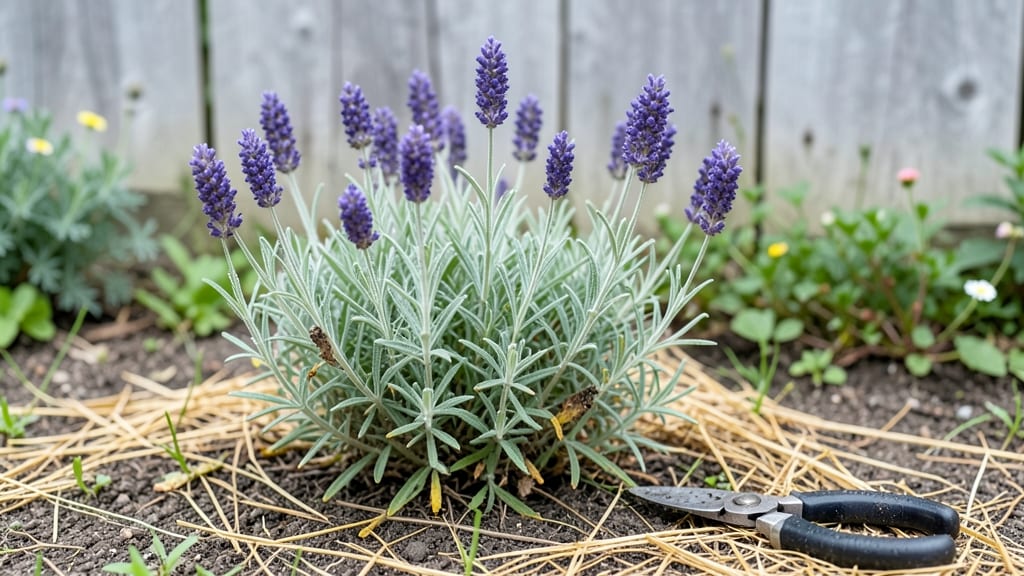
Start with a focal point—a simple urn tucked into a stone, or ashes scattered beneath a favorite tree. Surround it with plants that thrive in your climate but also hold symbolic weight: lavender for remembrance, sunflowers for joy, or boxwood for endurance.
The design should feel intentional, not forced, so even maintenance becomes a way to stay connected. A 10-foot circular bed works beautifully for intimate gatherings, while a 20-foot rectangular plot offers room for seasonal changes.
What you’ll end up with is a space that evolves with time—wildflowers returning each spring, the scent of jasmine in summer, and the quiet rustle of leaves in autumn. The beauty isn’t just in the plants but in how they create a rhythm of remembrance.
You’ll find yourself visiting more often than you expect, not out of obligation, but because the garden feels like a living tribute.
This approach works for any yard size or budget, from a small balcony garden to a sprawling backyard. The goal is to make the space uniquely yours, a place where nature and memory intertwine seamlessly. Let’s bring that vision to life—step by step.
📚 In This Guide
- What you need
- Instructions
- Tips and common mistakes
- Wrapping up and next steps
What you need
- ● Soil & Mulch: Topsoil (1–2 cubic yards, depending on garden size)
- ● Organic mulch (e.g., cedar chips or bark, 2–3 bags)
- ● Plants & Greenery: Perennials (e.g., lavender, roses, or hostas—3–5 plants)
- ● Shrubs (e.g., boxwood or dwarf lilac—1–2 per section)
- ● Ground cover (e.g., creeping thyme or clover—enough to cover bare spots)
- ● Memorial Elements: Urns or biodegradable containers (if scattering ashes)
- ● Garden markers (e.g., engraved stones or plaques—1–2 per memorial)
- ● Tools: Shovel & spade (for digging)
- ● Garden trowel (for precise planting)
- ● Pruners (for trimming)
- ● Wheelbarrow (for hauling soil/mulch)
- ● Rake (for leveling ground)
- ● Water Features: Small fountain or birdbath (1–2)
- ● Lighting: Solar-powered path lights or lanterns (5–10)
- ● Seating: Bench or stone seating (1)
- ● Decorative Stones: Flat markers or stepping stones (custom quantities)
- ● Wildlife-Friendly Additions: Bird feeders or butterfly plants
Step-by-Step instructions for designing a cremation garden
Transforming an outdoor space into a peaceful memorial garden honors loved ones with beauty and tranquility.
Choose a Thoughtful Location
Select a spot that feels meaningful—perhaps where your loved one enjoyed nature or where sunlight filters gently through the trees. Consider the garden's visibility: will it be a quiet retreat or a visible tribute for visitors? I always check the site at different times of day to observe how sunlight shifts and where shadows fall.
Evaluate drainage next. A slight slope helps water flow away from seating areas, while flat ground suits water features. Test the soil by digging a small hole—if water pools after 30 minutes, you'll need to amend the soil with organic matter to improve drainage. This ensures your memorial garden remains lush without becoming waterlogged.
Plan the Layout for Reflection and Comfort
Start with a focal point, like a bench, stone marker, or small tree, to anchor the space. I like to place seating where visitors can sit quietly and feel connected to nature. Add pathways made of stepping stones or crushed gravel to guide movement—these should be wide enough for wheelchairs or strollers if the garden will be shared.
Incorporate natural elements like boulders or a meandering stream to create a sense of serenity. If space allows, include a variety of textures—smooth river stones, rough bark, and soft moss—to engage the senses. Sketch a rough layout first; this helps visualize how each element will flow together before breaking ground.
Select Plants That Honor Memories
Choose plants with personal significance—perhaps flowers your loved one adored or trees that symbolize strength. Evergreens like boxwood or juniper provide year-round structure, while seasonal blooms add color and life. I often include native plants, as they require less maintenance and support local wildlife.
Consider the mature size of each plant to avoid overcrowding. Place taller varieties toward the back of the garden and shorter ones in the front. Group plants with similar water needs together to simplify care. Add a small plaque or engraved stone near the center to mark the space and share a brief message or date.
Add Personal Touches for Meaning
Incorporate elements that reflect your loved one’s personality—a bird feeder if they enjoyed watching wildlife, a wind chime for soothing sounds, or a small fountain for the calming rhythm of water. I’ve seen gardens with custom metalwork, like a silhouette of a person or their favorite quote etched into a metal plaque.
Lighting can transform the garden at dusk, creating a peaceful ambiance. Solar-powered path lights or soft uplighting on trees add warmth without harshness. Test the lighting at night to ensure it highlights the space beautifully while remaining subtle. These touches make the garden feel alive and inviting, even after dark.
Maintain the Garden as a Living Tribute
Create a simple maintenance plan to keep the garden thriving with minimal effort. Mulch around plants to retain moisture and suppress weeds, and water deeply but infrequently to encourage strong roots. I schedule seasonal tasks—pruning in late winter, fertilizing in spring, and adding fresh mulch in fall—to keep the garden looking its best year-round.
Invite others to contribute if desired, whether through planting ceremonies or seasonal upkeep. A shared garden becomes a place of collective memory and healing. Over time, the space will evolve naturally, just as memories do, offering comfort and connection for years to come.
Tips & tricks for perfect cremation garden design
A few thoughtful strategies will help you create a memorial space that feels deeply personal and beautifully maintained over time.
Location Insight: When testing drainage in Step 1, I recommend digging multiple small holes (about 6 inches deep) in different areas of your potential garden site. This gives you a clearer picture of drainage variations across the space. If you find uneven drainage, consider creating a slightly elevated planting bed with a gentle slope away from seating areas—this prevents water pooling while maintaining accessibility.
Layout Planning: In Step 2, sketching your layout isn't just about aesthetics—it's about flow. I like to draw my designs to scale using graph paper, where each square represents 1 foot. This helps visualize proportions and ensures pathways will be wide enough for comfortable movement. For gardens meant to be shared, aim for at least 3 feet of width in pathways to accommodate wheelchairs or strollers alongside visitors.
Plant Selection: For Step 3, consider the long-term care requirements of your chosen plants. While native plants are excellent choices, they often have specific water needs. Group plants with similar moisture requirements together to simplify irrigation. I've found that incorporating drought-tolerant plants like lavender or sedum near pathways reduces maintenance while adding beauty—these plants thrive with minimal watering once established.
Personalization: In Step 4, the personal touches make the garden uniquely meaningful. If you're including custom metalwork or plaques, I recommend consulting with a local artist or engraver before purchasing. Many offer free consultations and can provide samples of their work. For lighting, consider using warm white LED bulbs (around 2700K) as they create a cozy, inviting glow that enhances the peaceful atmosphere of the garden.
Pro Tips for Cremation Garden Design
- A few thoughtful strategies will help you create a memorial space that feels deeply personal and beautifully maintained over time.
- Location Insight: When testing drainage in Step 1, I recommend digging multiple small holes (about 6 inches deep) in different areas of your potential garden site.
- Layout Planning: In Step 2, sketching your layout isn't just about aesthetics—it's about flow.
Frequently asked questions
Got questions about cremation garden design? You’re not alone!
Here are some of the most common inquiries—and their answers—to help you craft a meaningful, peaceful space.
What’s the best time of year to plant a cremation garden?
The ideal time depends on your climate, but spring or early fall are typically best. In warmer regions, plant in cooler months to avoid stressing young plants. If planting memorial flowers or shrubs, follow their specific care guidelines—some thrive in fall, while others prefer spring’s gentle warmth. Always check local frost dates for guidance!
Can I scatter ashes in a cremation garden without burying them?
Many people choose to scatter ashes directly on soil, under plants, or even in decorative urns above ground. If scattering, avoid windy areas to prevent ash dispersal. For a structured look, use biodegradable urns or create a shallow, lined depression to contain the ashes while allowing roots to grow through. Always check local regulations—some areas restrict scattering near water sources.
What are some low-maintenance plant options for a cremation garden?
Opt for drought-tolerant, native plants like lavender, succulents, or ornamental grasses—they require minimal watering and thrive in memorial settings. Perennials (e.g., coneflowers, hostas) return yearly, reducing upkeep. For evergreen options, consider boxwoods or junipers, which stay lush and symbolic year-round. Pro tip: Group plants by water needs to simplify care!
How do I keep pests or weeds from ruining my cremation garden?
Use mulch (wood chips or gravel) to suppress weeds and retain moisture. Choose pest-resistant plants like rosemary or marigolds, which naturally deter insects. For stubborn weeds, hand-pull early or use organic herbicides. A 5-inch mulch layer around plants can block 80% of weed growth—plus, it adds a serene, finished look to your memorial space.
Are there legal restrictions on cremation garden designs?
Yes! Laws vary by state/country—some require permanent markers or limit scattering near waterways. Check with your local funeral home or cemetery for guidelines on urn placement, ash disposal, and plant choices. Many areas permit cremation gardens on private property, but always verify zoning rules. Pro tip: Keep records of ash scattering locations for future reference!
Wrapping up and next steps
Designing a cremation garden is a deeply personal way to honor loved ones while embracing nature’s beauty. By blending thoughtful materials, meaningful elements, and serene aesthetics, you’ve created a space that feels both peaceful and uniquely theirs.
Whether you’re just starting or refining your vision, every detail adds to the garden’s emotional resonance.
Now’s the time to take action—start sketching, gathering materials, or consulting a landscaper to bring your vision to life. Your garden will stand as a lasting tribute, offering comfort and connection for years to come. 🌿✨