Tools
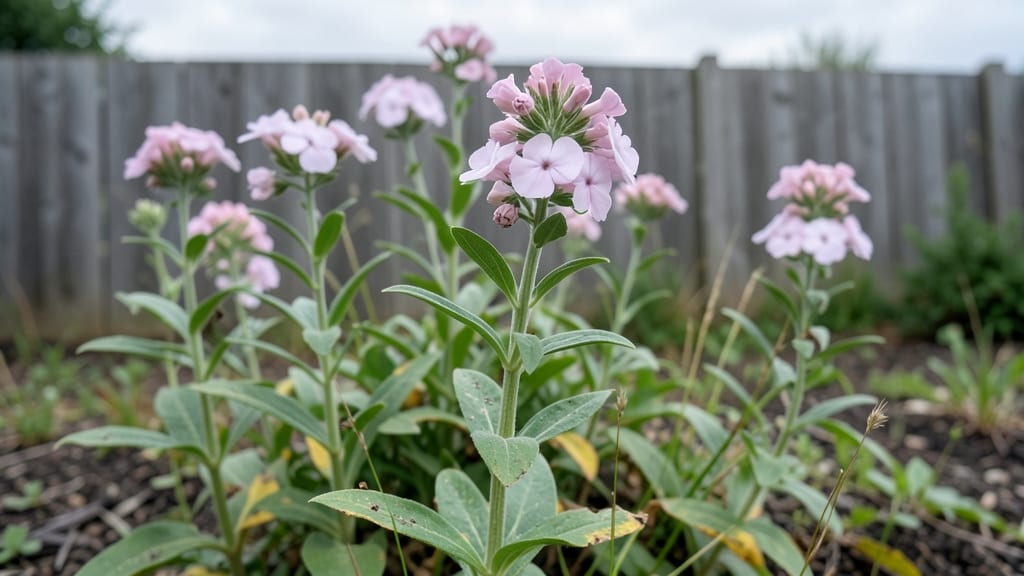
Pink garden phlox isn't just pretty—it's the star that turns your borders into a buzzing, blooming spectacle from June to frost. 🌸 I still remember the first time I saw a drift of these flowers swaying in the breeze, covered in bees and butterflies like a living confetti machine.
That's the magic of garden phlox: it's not one season's flash, but a three-month show that keeps getting better.
Here's the thing—this isn't just a plant, it's a design secret weapon. Pair it with lavender for a soft purple-pink blend, or let it contrast against deep green foliage like hostas or ferns.
The key is planting in odd-numbered clusters (3, 5, or 7 plants) so they spill over like a waterfall rather than look like a single statement.
And yes, it thrives in full sun to part shade, so you can use it in almost any spot where you want color and life.
What you'll end up with is a garden section that stops people in their tracks—not just for the color, but for the way it hums with activity.
The blooms stay fresh longer than most annuals, and the foliage has that velvety texture that makes you want to reach out and touch it. Plus, the pollinators will thank you by turning your yard into their favorite hangout.
Works equally well in cottage gardens, modern borders, or wildflower meadows—just give it 6-12 inches of space between plants and watch it fill in like a dream. The best part? Once established, it comes back year after year, stronger and more vibrant than before.
📚 In This Guide
- What you need
- Instructions
- Tips and common mistakes
- Wrapping up and next steps
What you need
- ● Garden phlox pink plants: 3–5 healthy nursery-grown plants (check for firm stems and vibrant buds).
- ● Well-draining soil: Mix 2 parts garden soil with 1 part compost or peat moss (pH 6.0–7.0).
- ● Organic fertilizer: 5-10-5 or 10-10-10 NPK blend (1 tbsp per plant at planting).
- ● Mulch: 2–3 inches of shredded bark or straw to retain moisture.
- ● Watering can or hose: With a gentle spray nozzle (1–2 gallons per plant, 2x/week).
- ● Garden trowel or shovel (for planting).
- ● Pruning shears (sterilized with rubbing alcohol).
- ● Gloves (to protect hands from thorns or soil).
- ○ Stakes or cages (optional, for tall varieties like ‘David’).
- ● Slow-release fertilizer (for extended blooms).
- ● Epsom salt (1 tbsp in water monthly for magnesium boost).
- ● Pollinator-friendly companions: Coneflowers or bee balm (plant 12–18 inches away).
- ● Rain gauge (to monitor watering needs).
Step-by-Step guide to planting and caring for garden phlox pink
Here's the straightforward method I've used to grow lush, blooming phlox that keeps pollinators buzzing all season.
🌱 Step 1: Choose the Perfect Planting Spot
Garden phlox thrives in partial shade to full sun—pick a location that gets at least 4-6 hours of sunlight daily but with afternoon shade in hotter climates. I always test the spot by observing how quickly the ground dries; phlox prefers moist but well-drained soil that doesn't stay soggy. If your soil drains poorly, amend it with compost before planting.
Phlox grows best in USDA Hardiness Zones 4-9, so check your zone to ensure it's suited for your area. The ideal planting time is early spring or early fall, when temperatures are mild. Planting in summer heat stresses young roots, while winter planting exposes them to frost damage.
🪴 Step 2: Prepare the Soil and Plant
Loosen the soil to a depth of 12-18 inches with a garden fork or tiller to improve drainage and root penetration. Mix in 2-3 inches of compost to enrich the soil with nutrients. Phlox prefers slightly acidic to neutral soil with a pH of 6.0-7.0; if your soil is too alkaline, add sulfur to adjust it.
Dig holes twice as wide as the root ball but no deeper. Space plants 18-24 inches apart to allow for full growth and airflow, which helps prevent fungal diseases. Gently remove the phlox from its container, tease the roots if they're circling, and place it in the hole so the top of the root ball sits even with the soil surface. Fill the hole with soil and water deeply to settle everything in place.
💧 Step 3: Water and Mulch for Healthy Growth
Water the newly planted phlox deeply once a week during the first growing season, ensuring the soil is moist 2-3 inches down. Overwatering can lead to root rot, so always check moisture by sticking your finger into the soil—it should feel damp but not waterlogged. Once established, phlox is drought-tolerant but will bloom more prolifically with consistent moisture.
Apply a 2-3 inch layer of mulch around the base of the plant, keeping it 2-3 inches away from the stem to prevent rot. I use shredded bark or straw mulch because it breaks down slowly and retains moisture while suppressing weeds. Replenish the mulch annually to maintain its benefits.
☀️ Step 4: Fertilize and Maintain for Season-Long Blooms
Feed your phlox with a balanced, slow-release fertilizer (10-10-10) in early spring as new growth appears. Avoid high-nitrogen fertilizers, which encourage leafy growth at the expense of flowers. A light application of bone meal in early spring also promotes strong root development and abundant blooms.
Deadhead spent blooms regularly by pinching off faded flowers just above the first set of healthy leaves. This encourages continuous blooming and prevents the plant from seeding itself, which can lead to overcrowding. Prune back one-third of the plant in early spring to remove any dead or damaged growth and promote bushier, healthier growth.
✂️ Step 5: Divide and Revitalize Every 3-4 Years
Phlox benefits from division every 3-4 years to rejuvenate growth and prevent overcrowding. In early spring or early fall, dig up the entire plant and separate it into smaller sections using a sharp spade. Each section should have 3-5 healthy shoots. Replant the divisions immediately in prepared soil, water deeply, and mulch as before.
This process also helps control diseases like powdery mildew, which can become more prevalent in older, crowded phlox plants. After dividing, you'll notice vibrant new growth within a few weeks, and the plants will bloom more vigorously in the following season.
Tips & tricks for perfect garden phlox pink
Here's what nobody tells you about growing phlox that blooms like crazy all season.
Sunlight Secret: The 4-6 hours of sunlight mentioned is your sweet spot, but watch for afternoon shade in summer—direct sun after 2 PM can scorch delicate petals. I've seen phlox in full sun thrive when watered consistently, but the blooms last longer with that afternoon reprieve. Position young plants slightly shaded if your summers run hot.
Soil Prep Game-Changer: When loosening soil to 12-18 inches in Step 2, don't stop at the surface! Break up any compacted layers deeper down—roots need easy access to nutrients. I mix in an extra handful of compost around each planting hole for that final boost. For alkaline soil, test the pH first—adding sulfur takes time (months), so start early if needed.
Watering Wisdom: That once-a-week deep watering is perfect, but timing matters too. Water in the morning so foliage dries quickly, preventing fungal issues. I use a rain gauge to track moisture—phlox tells you when it's thirsty by drooping slightly. Once established, they're tough, but consistent moisture = bigger blooms.
Deadheading Hack: Regular deadheading keeps blooms coming, but here's the trick: pinch just above the first set of healthy leaves AND remove any seed pods forming. I do this every 2-3 days during peak bloom—it's like giving your plant a little energy boost. The more you remove, the more it produces!
Pro Tips for Garden Phlox Pink
- Here's what nobody tells you about growing phlox that blooms like crazy all season.
- Sunlight Secret: The 4-6 hours of sunlight mentioned is your sweet spot, but watch for afternoon shade in summer—direct sun after 2 PM can scorch delicate petals.
- Soil Prep Game-Changer: When loosening soil to 12-18 inches in Step 2, don't stop at the surface!
Frequently asked questions
Got questions about growing garden phlox pink? You’re not alone!
Here are answers to the most common queries from gardeners—whether you’re a beginner or a seasoned pro.
How do I keep my pink garden phlox blooming all season?
Deadhead spent blooms regularly to encourage more flowers. Fertilize lightly with a balanced, slow-release fertilizer in early spring, and mulch around the base to retain moisture. Pinching back stems in early summer can also promote bushier growth. Pro tip: Avoid over-fertilizing with nitrogen—it’ll boost foliage but cut back on blooms!
When is the best time to plant pink garden phlox?
Plant in early spring (as soon as the soil is workable) or in early fall (4–6 weeks before your first frost). This gives roots time to establish before extreme heat or cold. If starting from seeds, sow indoors 8–10 weeks before the last frost for a head start. Note: Phlox thrives in cooler climates—avoid planting in hot, dry summers if possible.
Why aren’t pollinators visiting my pink phlox?
Check for these common issues: pesticides (even natural ones can repel bees/butterflies), overcrowded plants (leave space for easy access), or lack of water (stressed plants produce less nectar). Try planting companion flowers like bee balm or coneflowers nearby to attract more visitors. Fun fact: Pink phlox is especially loved by hummingbirds!
Can I grow pink garden phlox in containers?
Choose a large container (at least 12 inches deep) with drainage holes and a high-quality potting mix. Opt for dwarf varieties like ‘David’ or ‘Lipstick’ to save space. Water consistently—containers dry out faster—and fertilize monthly during the growing season. Pro tip: Group containers with other pollinator-friendly plants to create a mini “garden oasis.”
How do I prevent powdery mildew on my phlox?
Powdery mildew thrives in humid, shaded conditions. Improve airflow by spacing plants 18–24 inches apart and avoid overhead watering. If mildew appears, treat with neem oil or a baking soda spray (1 tsp baking soda + 1 quart water + a drop of dish soap). For prevention, plant in full sun to partial shade and water at the base in the morning.
What are some great pink phlox alternatives if I want variety?
Try these pollinator magnets with similar charm:
- Lavender – Drought-tolerant and fragrant (great for borders).
- Catmint – Long-blooming and deer-resistant.
- Shasta Daisy – Classic white/pink blooms loved by bees.
- Russian Sage – Purple spikes that thrive in heat.
Wrapping up and next steps
Garden phlox pink isn’t just a pretty face—it’s a powerhouse for pollinators and a showstopper in any garden! 🌸 With its season-long blooms and easy-care nature, it’s the perfect choice for adding color, life, and charm to your outdoor space.
Whether you’re a beginner or a seasoned gardener, this versatile plant rewards effort with stunning results.
Ready to transform your garden? Start by picking your favorite pink variety, gathering your supplies, and planting with confidence. Next up: Check out our guide on maintenance tips to keep your phlox thriving all season long!