Tools
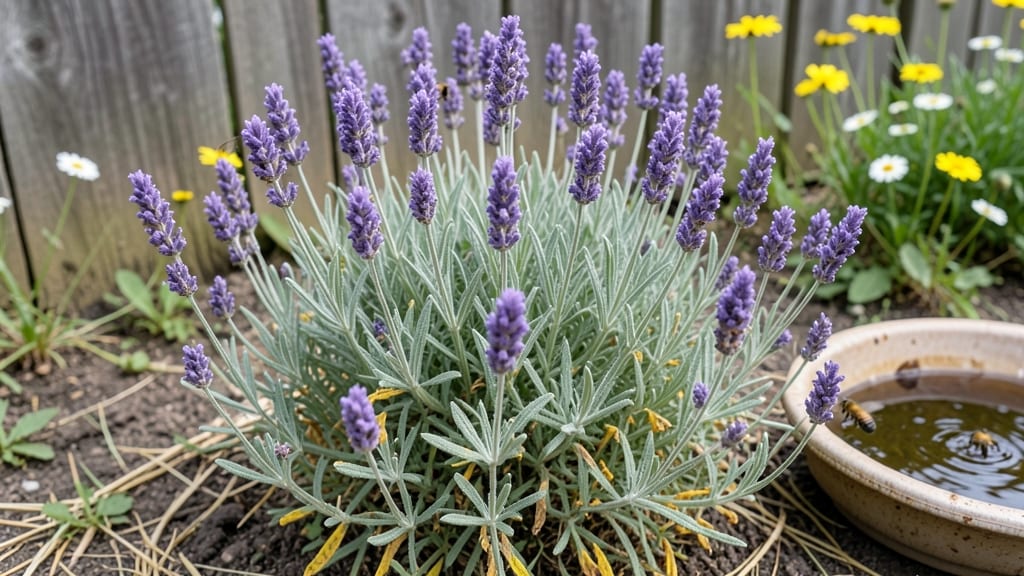
A bee-friendly garden isn't just about flowers—it's about creating a thriving ecosystem where pollinators can feed, nest, and thrive year-round. 🌿 I learned the hard way that my first "pretty" garden left bees with nowhere to go, so I completely redesigned my space to prioritize their needs over aesthetics.
The shift from ornamental plants to native blooms changed everything—now my yard buzzes with activity from spring through fall.
Start with a mix of nectar-rich flowers, herbs, and shrubs that bloom at different times, ensuring bees always have fresh food. My go-to plants include purple coneflower, bee balm, lavender, and goldenrod—all tough, low-maintenance choices that attract a variety of pollinators.
Pair them with shallow water sources like a saucer of pebbles and water, and avoid pesticides entirely. Even small spaces can work with containers or window boxes filled with pollinator favorites.
By summer, you’ll see bees visiting every few minutes, and by next spring, you’ll have a self-sustaining pollinator paradise that supports local ecosystems. The garden becomes alive in a way that traditional landscapes never are—full of color, movement, and the hum of busy wings.
The best part? You’re not just gardening for beauty; you’re helping preserve the very creatures that make our food system possible.
This approach works anywhere—urban balconies, suburban yards, or rural acres—so don’t wait for the "perfect" space. Even a single pot of native wildflowers can make a difference. Let’s get your garden buzzing with life!
📚 In This Guide
- What you need
- Instructions
- Tips and common mistakes
- Wrapping up and next steps
What you need
- ● Native flowering plants (3–5 varieties, ensuring year-round blooms): Spring: Violet, crocus, or early blooming lavender
- ● Summer: Coneflower, black-eyed Susan, or bee balm
- ● Fall: Goldenrod, asters, or sedum
- ● Winter: Hellebore or winter jasmine (if in a mild climate)
- ● Well-draining soil (amend with compost if needed)
- ● Water source (shallow dish, birdbath, or drip system)
- ● Pesticide-free zone (avoid synthetic chemicals)
- ● Garden tools: Trowel or hand shovel
- ● Pruners (for trimming dead blooms)
- ○ Gloves (optional but helpful)
- ● Mulch (2–3 inches of organic mulch to retain moisture)
- ○ Bee houses or solitary bee nests (optional, for native bees)
- ● Pollinator-friendly seeds (for filling gaps or expanding beds)
- ● Rocks or logs (to create shelter for bees)
How to create a year-round pollinator haven
Here’s how to craft a thriving sanctuary that keeps bees buzzing through every season.
🌱 Step 1: Plan for Continuous Bloom Cycles
Bees need nonstop access to nectar and pollen. I divide my garden into four seasonal zones, each featuring plants that bloom at different times. Start by mapping your space with early spring bloomers like crocus and hellebore, followed by summer favorites such as coneflowers and black-eyed Susans, then late-season asters and goldenrod. Don’t forget winter interest—evergreens like rosemary and ornamental grasses provide structure and shelter when little else is blooming.
Check your local climate zone to adjust timing. In colder regions, extend the season with cold-hardy perennials like lavender or Russian sage. In warmer areas, include winter-blooming plants like witch hazel or winter jasmine. The key is overlapping bloom periods—no gaps longer than two weeks between seasonal transitions.
☀️ Step 2: Prioritize Native and Bee-Loved Species
Native plants are the backbone of a bee-friendly garden because they’ve co-evolved with local pollinators. I stock my garden with at least 70% native species, such as milkweed, bee balm, and goldenrod. These plants offer the most efficient nectar and pollen sources while supporting specialized bee species that can’t thrive on non-native alternatives.
Supplement with bee favorites like sunflowers, borage, and clover for additional diversity. Avoid hybridized flowers bred for show (like double-petaled roses) since they often lack accessible pollen. Instead, opt for single-blooming varieties—their open centers make it easy for bees to access the good stuff.
💧 Step 3: Provide Water and Shelter
Bees need water too, but not just any source. I install a shallow dish with pebbles so bees can drink without drowning. Place it near blooming plants but away from direct sunlight to prevent evaporation. Add a small ramp of flat stones so they can easily climb out. In drier climates, a drip irrigation system near flowering beds keeps moisture available without creating puddles.
Shelter is just as critical. Leave patches of bare soil for ground-nesting bees, and add bee hotels (small wooden boxes with drilled holes) for solitary species. Cluster plants in groups rather than rows to create microhabitats where bees can forage efficiently. Avoid pesticides entirely—even "bee-friendly" sprays can harm pollinators.
✂️ Step 4: Maintain a Low-Maintenance Pollinator-Friendly Routine
Bees thrive in gardens with minimal intervention. I avoid tidying up until late winter, leaving seed heads and fallen leaves as winter food and shelter. Deadhead spent blooms only after new flowers emerge to ensure continuous nectar. Mulch beds with 2-3 inches of organic matter (like shredded leaves or straw) to retain moisture and regulate soil temperature.
Monitor for pests organically—use neem oil or insecticidal soap sparingly, and only when absolutely necessary. Bees are sensitive to chemical residues, so I treat plants in the evening when bees are less active. Rotate crops annually to prevent soil depletion and keep plants healthy without synthetic fertilizers.
🪴 Step 5: Expand with Hanging Baskets and Vertical Space
Not all bees are ground-dwellers. I add hanging baskets filled with thyme, alyssum, or fuchsia to attract hovering species like syrphid flies and small bees. Vertical gardens on fences or trellises maximize space for climbers like honeysuckle or clematis, which bees adore. Even a small balcony can support pollinators with a few well-chosen containers.
Include a mix of tree, shrub, and herbaceous plants to cater to bees of all sizes. Tall plants like hollyhock attract bumblebees, while low-growing clovers and creeping thyme welcome tiny solitary bees. The more variety, the more bees your garden will support—aim for at least 10 different plant species for maximum diversity.
Tips & tricks for creating a thriving pollinator paradise
Building a bee-friendly garden takes more than just planting flowers—it’s about creating an ecosystem that supports pollinators year-round. Here are the key strategies that make all the difference.
Seasonal Layering Strategy: The two-week bloom overlap in Step 1 is your secret weapon for continuous foraging. I recommend adding one additional plant species between each seasonal zone to bridge gaps. For example, plant catmint (which blooms from early summer to fall) between your spring hellebore and summer coneflowers. This creates a safety net when some plants inevitably finish blooming earlier than expected.
Native Plant Selection: When sourcing your 70% native species in Step 2, prioritize plants that flower at different heights. Tall milkweed (4-5 feet) attracts bumblebees, while low-growing creeping thyme (3-6 inches) draws tiny solitary bees. This vertical diversity ensures all pollinators can access nectar without competition. Pro tip: Check your local native plant society’s recommendations—they often have regional guides that go beyond generic lists.
Water Source Design: The shallow pebble dish in Step 3 works beautifully, but here’s the upgrade: add a few flat stones that partially submerge to create landing platforms. Bees need stable surfaces to drink safely. For urban gardens, consider a drip irrigation system with small ceramic nozzles—they create shallow pools that mimic natural water sources while preventing mosquito breeding. Place water sources 10-15 feet from flowering beds to encourage bees to visit both.
Low-Maintenance Mindset: That 2-3 inch mulch layer in Step 4 isn’t just about moisture—it’s also insulation. In winter, mulch protects ground-nesting bee larvae from temperature fluctuations. For pest control, I’ve found that introducing ladybugs (rather than neem oil) provides natural aphid control without harming bees. Release them in the evening when bees are less active, just as the instructions recommend for chemical treatments.
Pro Tips for Bee Friendly Gardening
- Building a bee-friendly garden takes more than just planting flowers—it’s about creating an ecosystem that supports pollinators year-round.
- Seasonal Layering Strategy: The two-week bloom overlap in Step 1 is your secret weapon for continuous foraging.
- Native Plant Selection: When sourcing your 70% native species in Step 2, prioritize plants that flower at different heights.
Frequently asked questions
What are the easiest flowers to plant for bees?
Start with bee magnets like lavender, sunflowers, coneflowers, and native wildflowers. These blooms provide nectar and pollen year-round. Pro tip: Choose single-petal varieties—they expose more pollen than double-petaled flowers!
When is the best time to plant for pollinators?
Spring and early fall are ideal, but bees appreciate any blooms! Plant spring bulbs (daffodils, crocuses) first, then succession-plant summer (bee balm) and fall (asters) varieties. Troubleshooting: If your area has a short growing season, opt for perennials that return yearly.
Can I attract bees with just a small balcony or patio?
Use containers, window boxes, or hanging baskets with bee-friendly flowers like basil, marigolds, or thyme. Add a shallow water source (a saucer with pebbles works!). Bonus: Avoid pesticides—even "organic" sprays can harm bees.
What should I avoid in a bee-friendly garden?
Skip double-flowered varieties (they hide pollen), non-native invasive plants (they disrupt ecosystems), and pesticides (even "bee-safe" ones can be harmful). Alternative: Use neem oil or companion planting (e.g., marigolds repel pests naturally).
How do I keep bees from stinging me?
Bees rarely sting unless provoked. Do: avoid strong perfumes, wear light colors, and move calmly. Don’t: swat or corner them. Safety tip: If you’re allergic, keep an epinephrine auto-injector nearby—but focus on protecting bees, not fearing them!
What do I do if my garden isn’t attracting bees?
Check for lack of water, food, or shelter. Add a bee bath (a shallow dish with rocks), plant more diverse blooms, and leave some bare soil for nesting. Patience tip: It may take a season or two—bees will find you!
Wrapping up and next steps
Creating a bee-friendly garden isn’t just about helping pollinators—it’s about nurturing life, beauty, and a thriving ecosystem right in your backyard! 🐝 By choosing the right plants, avoiding pesticides, and providing water and shelter, you’ve taken the first steps toward a pollinator paradise.
Every bloom you plant is a feast for bees, butterflies, and hummingbirds, ensuring they—and you—enjoy nature’s bounty year-round.
Ready to keep the buzz going? Start small: add a native flower patch, share your tips with neighbors, or even join a local conservation group. Your garden can inspire others to do the same—one pollinator at a time! 🌸