Tools
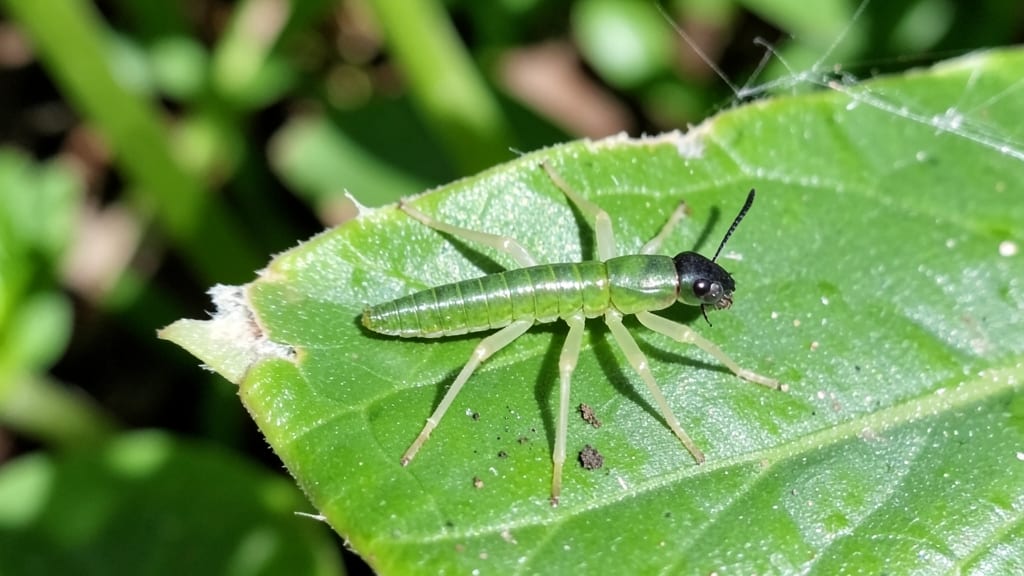
Before you reach for the spray, flip through these garden bugs pictures—they’ll help you tell friend from foe in your yard. ✨ I’ve spent years flipping through field guides and snapping photos of the good, the bad, and the downright confusing crawlers that show up in my yard, and these visuals cut straight to the chase.
The key is distinguishing between the 6-legged nuisances that chew your tomatoes and the winged allies that pollinate your flowers. A single aphid cluster might look harmless, but a ladybug’s presence means nature’s cleanup crew is already on the job.
This guide pairs clear photos with quick ID tips so you can act fast—whether that means welcoming predators or setting traps.
You’ll leave here with the confidence to tell a Japanese beetle from a praying mantis at a glance, plus simple fixes for each pest. No more guessing games or overreacting to harmless visitors. The garden’s balance starts with knowing who belongs—and who doesn’t.
Works for every type of yard, from vegetable patches to flower beds. Let’s get those bugs identified—and managed—right the first time.
What Draws Bugs To Gardens
Your garden isn’t just a patch of soil and plants—it’s a bustling buffet for insects, each with its own menu preferences. Understanding why bugs invade your garden is the first step to outsmarting them.
Below, we break down the most common triggers, from food and shelter to climate and human activity.
Bugs don’t wander into your garden out of curiosity—they’re following their stomachs. If your plants are thriving, so are the pests that feed on them. Here’s what makes your garden a five-star restaurant for insects:
- Soft, tender foliage: Young, succulent leaves (like those on basil, lettuce, or squash) are a magnet for chewers like caterpillars and beetles. Why? Their high water content and thin cell walls make them easy to digest.
- Fruits and vegetables: Ripe tomatoes, peppers, and berries attract fruit flies, aphids, and earwigs. Science note: Ethylene gas—released as produce ripens—signals pests that a meal is ready.
- Decaying matter: Piles of fallen leaves, compost heaps, or rotting wood harbor fungus gnats, slugs, and even termites. Pro tip: Moisture + organic debris = a breeding ground for bugs that love damp environments.
- Weeds: Dandelions, clover, and chickweed aren’t just unsightly—they’re pest superhighways. Many garden bugs (e.g., aphids, Japanese beetles) prefer weeds over cultivated plants.
Actionable fix: Remove overripe produce promptly, mulch away from plant stems (not against them), and keep compost bins sealed with tight-fitting lids.
Bugs need more than food—they need a place to hide, lay eggs, and escape predators. Your garden might unknowingly offer the perfect hideout:
- Dense mulch or thick ground cover: Mulch is great for soil health, but if it’s too deep (over 3 inches), it traps moisture and provides shelter for slugs, snails, and pill bugs.
- Rocks and wood piles: These become cozy retreats for earwigs, centipedes, and even spiders. Fun fact: Earwigs curl up in damp, dark crevices—like under bark or flat stones.
- Standing water: Mosquitoes, fungus gnats, and even some beetles breed in stagnant water. A clogged gutter or a saucer under a potted plant can turn into a bug nursery in days.
- Hollow stems or cracks in bark: Ladybugs, lacewings, and even some beetles use these as nesting sites. But watch out: Some, like the Asian longhorned beetle, bore into tree trunks to lay eggs.
Actionable fix: Space mulch evenly (2–3 inches deep), store firewood off the ground, and empty saucers or birdbaths weekly. For hollow stems, snip them at the base to deter egg-laying pests.
Bugs are cold-blooded (literally)—their activity spikes when temperatures rise. Here’s how weather patterns invite garden invaders:
| Season | Common Culprits | Why They Show Up |
|---|---|---|
| Spring | Aphids, cabbage worms, squash bugs | Warm soil triggers egg hatching. Early blooms attract pollinator pests like squash vine borers. |
| Summer | Japanese beetles, tomato hornworms, whiteflies | Heat and humidity create ideal breeding conditions. Drought-stressed plants release scents that lure pests. |
| Fall | Crickets, slugs, armyworms | Cooler nights and damp leaves provide moisture for slugs, while crickets seek shelter in leaf litter. |
| Winter | Overwintering beetles, scale insects | Some bugs enter dormancy in bark or soil, emerging when temperatures rise above 50°F. |
Actionable fix: Use row covers in early spring to block flying pests, and avoid overwatering in summer to reduce humidity. In fall, rake up leaf litter to disrupt slug and beetle habitats.
Sometimes, the biggest pest attractant is you. Unintentional gardening habits can turn your yard into a bug buffet:
- Over-fertilizing: Nitrogen-heavy fertilizers (like fresh manure) boost plant growth—but also aphids and whiteflies, which thrive on lush, fast-growing foliage.
- Monoculture planting: Planting the same crop in large blocks (e.g., a whole row of roses) makes it easier for pests to find and spread. Example: Japanese beetles can defoliate an entire rose bush in hours.
- Ignoring beneficial insects: Spraying all insects (even ladybugs or lacewings) disrupts the natural balance. These predators keep pests in check—but they need nectar sources (like dill or marigolds) to survive.
- Bringing bugs home: Potted plants, firewood, or even secondhand garden tools can introduce pests like mealybugs or scale insects.
Actionable fix: Rotate crops yearly, plant companion flowers (e.g., nasturtiums to repel aphids), and quarantine new plants for a week before adding them to your garden.
💡 Pro tip: Keep a garden journal to track pest patterns. Note when bugs appear, which plants they target, and what conditions (rain, heatwave) preceded the outbreak. This helps you predict—and prevent—future invasions.
Quick Fixes for Common Garden Bugs
Unwanted visitors in your garden can feel like a losing battle, but with the right strategies, you can reclaim your green space—fast! Below are practical, step-by-step solutions tailored to the most common pests, from chewers to sap-suckers. Each fix includes prevention tips to keep bugs from crashing the party again.
Problem: Ragged leaves, holes in petals, or tunnels in stems? These critters are dining on your plants.
🔥 Fix It:
- Handpick & Destroy
- 👨🍳 Early morning is prime time—caterpillars are sluggish. Shake them into a bucket of soapy water.
- 🔪 For beetles (like Japanese beetles), drop them into a jar of soapy water or crush them underfoot.
- Natural Barriers
- 🌡️ Wrap young plants in floating row covers (lightweight fabric) to block egg-laying pests.
- 🎯 Use diatomaceous earth (food-grade) around plant bases—it dehydrates soft-bodied bugs like cutworms.
- Traps & Lures
- 💡 Hang pheromone traps for specific beetles (e.g., Japanese beetle traps). Pro tip: Place them away from your garden—they’ll attract more pests!
- 🥘 Set up beer traps for slugs: Bury a shallow container filled with beer. Slugs crawl in and drown.
✨ Prevention Tips:
- Rotate crops yearly to disrupt pest life cycles.
- Plant companion flowers like marigolds or basil—they repel many chewing pests naturally.
- Encourage predators: Ladybugs and lacewings love munching on aphids and caterpillar eggs.
Problem: Sticky residue, yellowing leaves, or tiny webs? These bugs drain nutrients and spread disease.
🍳 Fix It:
- Blast Them Off
- 💦 Spray plants with a strong stream of water (especially undersides of leaves) to knock off aphids and whiteflies.
- 🌡️ For stubborn mites, wipe leaves with a neem oil solution (1 tsp neem oil + 1 tsp mild soap per quart of water).
- Sticky Defense
- 🎯 Apply yellow sticky traps to catch whiteflies and fungus gnats.
- 🔥 Dust plants with insecticidal soap (follow label instructions) for aphids.
- Beneficial Buddies
- 🐞 Release ladybugs, lacewings, or parasitic wasps (available at garden centers). They’re nature’s pest control!
- 🌿 Grow dill, fennel, or alyssum to attract predatory insects.
✨ Prevention Tips:
- Keep plants healthy—stressed plants attract more pests. Water deeply but infrequently.
- Prune regularly to improve airflow and reduce hiding spots.
- Quarantine new plants for a week before adding them to your garden.
Problem: Wilting plants, sawdust-like frass, or hollow stems? These pests tunnel inside your plants.
🔪 Fix It:
- Dig Them Out
- 👨🍳 For grubs (like Japanese beetle larvae), dig up infested soil in early spring and drop the grubs in soapy water.
- 🥘 Check for weevils in bulbs (e.g., iris borers). Remove affected bulbs and dispose of them (don’t compost!).
- Systemic Solutions
- 💡 Apply beneficial nematodes (like Heterorhabditis bacteriophora) to the soil—they seek out and kill grubs.
- 🌡️ For borers, inject systemic insecticides (e.g., imidacloprid) into the stem (follow package directions carefully).
- Cultural Controls
- 🎯 Solarize soil in late summer: Cover moist soil with clear plastic for 4–6 weeks to kill larvae.
- 🔥 Remove plant debris in fall—grubs and borers overwinter in dead stems and leaves.
✨ Prevention Tips:
- Choose resistant plant varieties (e.g., borer-resistant roses).
- Mulch heavily to deter weevils from laying eggs in soil.
- Rotate plant families to break pest cycles (e.g., don’t plant tomatoes in the same spot yearly).
If bugs have taken over, act fast:
- 💥 Horticultural oil (for overwintering pests) or pyrethrin spray (for immediate knockdown).
- 🌱 Replace heavily infested plants—sometimes saving the garden means sacrificing a few plants.
- 📞 Call a local extension office for region-specific advice on persistent pests.
Remember: The key to long-term success is prevention + early action. Spot a pest before it becomes a problem, and your garden will thrive with minimal effort! 🌿💚
Frequently asked questions
How do I tell if a garden bug is harmful or helpful?
Look for key identifiers: harmful bugs like Japanese beetles or aphids often cluster on leaves, leaving visible damage (chewed holes, sticky residue). Beneficial insects such as ladybugs or lacewings have delicate wings and rarely cause damage—they’re usually hunting pests. Pro tip: Check the undersides of leaves where many beneficial bugs hide.
Can I use these pictures to identify bugs in my region?
Yes! While the images cover common garden insects, local variations exist. For precise ID, compare your bug to the photos and note size, color patterns, and behavior. Use a magnifying glass for tiny details, and check regional field guides or your local cooperative extension service for species-specific advice. Most pests are widespread, but some (like the spotted lanternfly) are regional.
What’s the fastest way to get rid of a bug infestation?
For immediate results, combine physical removal with targeted solutions: handpick chewers (like caterpillars) into soapy water, and spray sap-suckers (like aphids) with a strong water stream. For stubborn pests, use insecticidal soap or neem oil—both work within 24-48 hours and are plant-safe. Always follow label instructions for concentration and reapplication.
Are there any bugs I should never kill in my garden?
Prioritize these natural allies: ladybugs, lacewings, praying mantises, and ground beetles all devour pests. Even "ugly" bugs like centipedes (they hunt slugs) or spiders (they control flies and mosquitoes) earn a pass. Avoid pesticides during their active seasons (spring-summer) to preserve their populations.
How can I prevent bugs from coming back next year?
Focus on preventive maintenance: rotate crops annually, remove plant debris in fall (where pests overwinter), and mulch properly (2-3 inches) to deter egg-laying. Plant companion flowers like marigolds or basil to repel pests naturally. Schedule monthly garden walks to catch early signs of trouble—prevention is always easier than eradication!