Advice
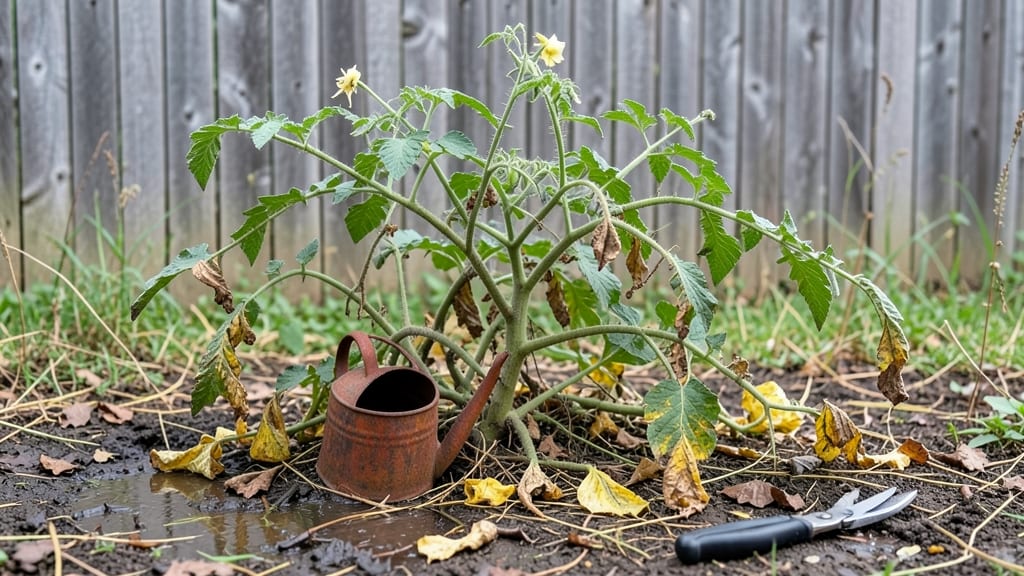
Bad gardening habits can turn your green thumb into a black thumb faster than you think. I’ve seen firsthand how something as simple as watering at the wrong time or ignoring soil quality can leave plants struggling—even when everything else seems perfect.
The good news? Most of these mistakes are easy to spot once you know what to look for, and fixing them often means healthier plants in just a few weeks.
Overwatering is the top offender, drowning roots and starving plants of oxygen. Then there’s the classic "set it and forget it" approach to mulch, which can smother soil instead of protect it.
Even experienced gardeners fall for these traps—like planting too deep or skipping pest checks until it’s too late. The key is observing your plants closely and adjusting habits before problems spiral.
Once you catch these habits, your garden transforms. Leaves stay vibrant instead of yellowing, growth speeds up, and pests don’t get a foothold. The fixes are straightforward: water deeply but less often, test soil before planting, and check undersides of leaves weekly.
Small changes lead to big results—your plants will thank you with stronger stems and more abundant blooms.
This isn’t just about avoiding mistakes—it’s about building confidence. Every season, I refine my approach based on what didn’t work last year. Whether you’re a beginner or a seasoned grower, these tweaks will help you grow what you plant, not what you wish you planted.
Let’s turn those habits around together.
📚 In This Guide
- What you need
- Instructions
- Tips and common mistakes
- Wrapping up and next steps
What you need
- ● Garden trowel – A sturdy, 6-8 inch trowel for digging and soil adjustments.
- ● Pruning shears – Sharp, bypass-style shears for trimming dead or overgrown plants.
- ● pH testing kit – Digital or liquid test strips to check soil acidity/alkalinity (affects nutrient absorption).
- ● Moisture meter – Ensures you’re not over- or under-watering (critical for root health!).
- ● Compost or organic fertilizer – 5-10 lbs of well-aged compost or a balanced 10-10-10 NPK fertilizer to revive nutrient-depleted soil.
- ● Mulch – 2-3 inches of organic mulch (straw, wood chips) to retain moisture and regulate temperature.
- ● Glove set – Heavy-duty gardening gloves (nitrile-coated for thorny plants).
- ● Watering can or hose with adjustable nozzle – For precise watering (avoid splashing soil).
- ● Soil aerator – Fork or manual aerator to break up compacted soil.
- ● Neem oil or insecticidal soap – Natural pest control for overgrown infestations.
- ● Plant support stakes – For floppy or weak-stemmed plants recovering from neglect.
- ● Knee pad or stool – Because gardening on hard ground is not kind to your joints!
How to avoid common mistakes that stunt plant growth
Even experienced gardeners fall into these traps—here’s how to spot and fix them before your plants suffer.
Ignoring Soil Quality and Overlooking Amendments
Poor soil is the silent killer of plant health. Many gardeners assume their soil is fine because it looks dark and holds moisture, but compacted or nutrient-depleted soil strangles roots before they can grow. I’ve seen lush-looking plants wilt within weeks because the soil beneath wasn’t aerated or enriched. Test your soil first—pH levels and organic matter content reveal everything you need to know.
If your soil is heavy clay or sandy, amend it with 2-3 inches of compost or aged manure mixed into the top 12 inches of soil. This improves drainage in clay and water retention in sand. For container gardens, blend equal parts potting mix and perlite to prevent compaction. The goal is loose, crumbly soil that holds moisture but doesn’t suffocate roots. You’ll know you’ve done it right when a handful of soil crumbles easily between your fingers.
Watering on a Schedule Instead of by Need
Sticking to a rigid watering schedule is a fast track to root rot or drought stress. Plants need water when the soil is dry—not when your calendar says it’s Tuesday. I’ve drowned seedlings one week and watched them wilt the next because I assumed "every other day" worked universally. Instead, check moisture by sticking your finger 1 inch into the soil. If it feels dry, water deeply until moisture reaches 6 inches down.
Morning is always the best time to water because it gives plants a full day to absorb moisture before evening evaporation. Overhead watering encourages fungal diseases, so aim for the base of plants. You’ll spot overwatering when leaves turn yellow and feel mushy, while underwatering causes crispy edges and wilting that doesn’t recover by evening. Adjust your routine based on what you observe, not what you’ve read.
Skipping Mulch and Letting Weeds Compete
Mulch isn’t just for looks—it’s a plant’s first line of defense against weeds, soil erosion, and temperature swings. I’ve seen gardens where mulch was skipped, and within weeks, weeds choked out young plants and stole nutrients. Apply 2-3 inches of organic mulch (like shredded bark or straw) around plants, keeping it 2 inches away from stems to prevent rot.
Mulch also conserves moisture by reducing evaporation, so you’ll water less frequently. Refresh mulch annually or when it breaks down. If weeds still appear, pull them early—when they’re small, they’re easy to remove by hand. You’ll know mulch is working when the soil stays consistently moist, and your plants show steady, healthy growth without sudden wilting during dry spells.
Over-Fertilizing and Burning Plants
More fertilizer doesn’t mean better growth—it often means chemical burns and nutrient imbalances. I’ve seen gardeners double or triple fertilizer doses, only to watch their plants develop brown leaf tips and stunted growth. Always follow package instructions for application rates, and consider using slow-release fertilizers or compost tea for a gentler boost.
Signs of over-fertilizing include dark, crispy leaf edges and white crusts on soil. If you suspect overuse, flush the soil with 2-3 times the usual water amount to leach excess salts. For container plants, use half the recommended dose since they drain faster. You’ll know you’re fertilizing correctly when plants grow steadily without sudden leaf scorch or yellowing between veins.
Neglecting Regular Pruning and Deadheading
Pruning isn’t just for shaping—it’s essential for airflow, sunlight penetration, and redirecting a plant’s energy. I’ve seen overgrown bushes with crowded centers where diseases festered because no one thinned them out. Prune dead or diseased branches first, then cut back 1/3 of the oldest growth to encourage new, vigorous shoots. Always use clean, sharp shears to avoid tearing stems.
Deadheading spent flowers prevents seed production, which drains a plant’s energy. Pinch off blooms just above a set of leaves or new bud. You’ll see the difference in 2-3 weeks—plants will rebloom more vigorously and focus energy on growth instead of seed development. Prune in the early morning when plants are hydrated to reduce stress. If you notice excessive leaf drop after pruning, you’ve cut too much—next time, be more conservative.
Tips & tricks for avoiding common gardening mistakes
These practical insights will help you transform your gardening approach and give your plants the best chance to thrive.
Soil Test First: Before amending your soil, conduct a simple pH test using an affordable soil kit available at garden centers. Most vegetables prefer a pH between 6.0 and 7.0, while blueberries need acidic soil around 4.5-5.5. I've seen gardeners add compost without testing first, only to discover their soil was already too rich in nutrients, leading to stunted growth. The test costs pennies compared to the potential loss from over-amending.
Watering Technique Matters: When checking soil moisture in Step 2, press your finger in about 1 inch deep—if it feels dry, water until moisture reaches 6 inches down. For container plants, use your finger to check the top inch and water until it runs out the drainage holes. I learned this the hard way when my seedlings developed root rot from inconsistent watering patterns. Morning watering is ideal because it allows foliage to dry during the day, reducing fungal diseases.
Mulch Application Strategy: Apply your 2-3 inches of organic mulch in a loose layer, keeping it 2 inches away from plant stems to prevent rot. For newly planted seedlings, create a small mulch "doughnut" around the base to protect tender stems. I've found that mulching in early spring helps maintain consistent soil temperatures and conserves moisture, especially during dry spells. Refresh mulch annually or when it breaks down to maintain its effectiveness.
Fertilizer Safety Net: When using slow-release fertilizers, follow the package instructions precisely—overapplying can cause more harm than good. For container plants, I've found it's safer to under-fertilize slightly than risk burning roots. Always flush the soil with 2-3 times the usual water amount if you suspect over-fertilization. You'll notice healthier growth patterns when plants develop steadily without sudden leaf scorch or yellowing between veins.
Pro Tips for Bad Gardening Habits
- These practical insights will help you transform your gardening approach and give your plants the best chance to thrive.
- Soil Test First: Before amending your soil, conduct a simple pH test using an affordable soil kit available at garden centers.
- Watering Technique Matters: When checking soil moisture in Step 2, press your finger in about 1 inch deep—if it feels dry, water until moisture reaches 6 inches down.
Frequently asked questions
Got questions about common gardening mistakes? You’re not alone—even green thumbs make errors! Here are answers to the most about bad gardening habits and how to fix them.
What are the most common gardening mistakes beginners make?
Overwatering, poor soil prep, neglecting mulch, and planting at the wrong time are top culprits. Even experienced gardeners overlook soil health or ignore pests until it’s too late. Start with basic plant needs—sunlight, water, and nutrients—and adjust as you go!
How do I know if I’m overwatering or underwatering my plants?
Check the soil first! Stick your finger 1–2 inches deep—if it’s damp, hold off on watering. Yellowing leaves + soggy soil = overwatering. Crispy edges + dry soil = underwatering. Pro tip: Most plants prefer consistent moisture, not daily drinks.
Can I fix damaged plants from bad gardening habits?
Sometimes! Prune dead foliage, adjust watering, and amend soil if roots are stressed. For root rot, repot in fresh, dry soil. If pests or disease have taken hold, isolate the plant and treat it with organic solutions. Prevention is key—act fast!
What’s a quick fix for compacted or poor-quality soil?
Loosen soil with a garden fork or tiller, then mix in compost or aged manure (2–3 inches deep). For heavy clay, add perlite or coarse sand. Test your soil (DIY kits are cheap!) to target pH or nutrient issues before planting.
Why do my plants keep getting pests even after I treat them?
Pests thrive in stressed plants—check for overcrowding, poor drainage, or nutrient deficiencies first. Rotate treatments (neem oil, insecticidal soap) and remove affected leaves. Prevent recurrence by improving airflow and using beneficial insects like ladybugs!
Wrapping up and next steps
Breaking free from bad gardening habits starts with awareness and small, intentional changes—like proper watering, soil care, and pest management. Your plants will thank you with vibrant growth and a thriving garden in no time! 🌱✨
Ready to level up your green thumb? Start by picking one habit to fix this week—whether it’s adjusting watering schedules or testing your soil. Every step forward counts!