Tools
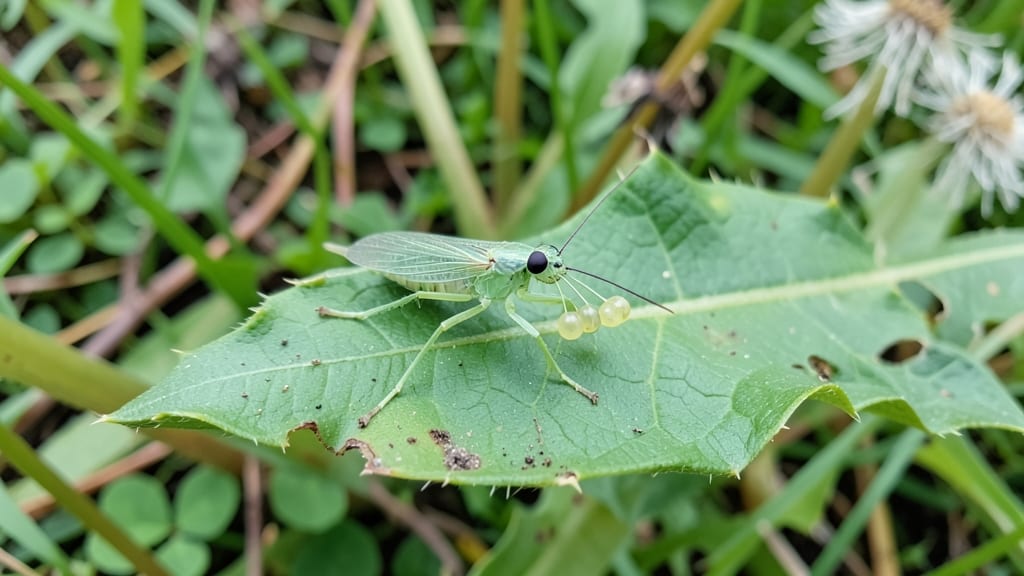
Green garden insects aren’t all bad—they’re either your plants’ worst nightmare or their secret protectors. 🌿 I’ve spent years watching aphids munch my roses while ladybugs swoop in like tiny superheroes, and the difference between chaos and balance comes down to knowing who’s who.
The key isn’t to spray everything but to spot the good guys first and give them a fighting chance.
Most green insects you’ll see—like aphids, leafhoppers, or lace bugs—are sap-suckers that weaken your plants. But others, such as ladybugs, lacewings, and parasitic wasps, hunt them down. The trick is to encourage the helpers while keeping the pests in check without chemicals.
Start by identifying the culprits: sticky leaves? Likely aphids. Jagged holes? Probably leafhoppers. And if you see tiny black spots on leaves, those are ladybug eggs—nature’s pest patrol already on the job.
You’ll transform your garden into a thriving ecosystem where beneficial insects outnumber the pests. A simple spray of soapy water takes care of aphids, while planting dill, fennel, or marigolds attracts the predators that keep them in line.
Within weeks, you’ll notice fewer sap-suckers and more activity from the insects that actually help your plants grow stronger. The best part? No harsh sprays, just smarter gardening.
This works for any garden—vegetable beds, flower patches, or container plants—because the principles are the same: support the good, discourage the bad. Even if you’re dealing with a stubborn infestation, these methods build resilience over time. Let’s get those green allies working for you instead of against you.
Behind The Green Invaders
If your garden is suddenly teeming with emerald-green insects, don’t panic—there’s usually a logical reason behind their presence. Understanding these causes helps you address the issue naturally, without resorting to harsh pesticides.
Below, we break down the most common triggers for these unwelcome guests and why they’re drawn to your green space.
Many green garden insects, like slime molds, aphids, or fungus gnats, thrive in damp conditions. Overwatering creates the perfect breeding ground because:
- Excess moisture weakens plant roots, making them easier targets for pests.
- Stagnant water attracts fungus gnats and other moisture-loving insects.
- Poor drainage leads to root rot, which emits odors that signal distress to pests.
Actionable fix: Let soil dry slightly between waterings and improve drainage with organic mulch or compost.
Plants under stress—whether from poor nutrition, disease, or environmental factors—emit chemical signals that invite pests. For example:
- Aphids and whiteflies are drawn to plants lacking nitrogen, as their sap becomes sweeter.
- Spider mites prefer drought-stressed plants with reduced chlorophyll.
- Japanese beetles target healthy but over-fertilized plants, especially roses and grapes.
Actionable fix: Test soil pH and amend with compost or balanced organic fertilizer. Avoid over-fertilizing, which can attract more pests.
Green garden insects often flourish when their natural predators—like ladybugs, lacewings, or parasitic wasps—are absent. This happens because:
- Pesticide use kills both pests and their predators, creating a vacuum that pests fill.
- Monoculture gardening (planting the same species repeatedly) reduces biodiversity, limiting predator habitats.
- Seasonal changes may temporarily reduce predator populations, giving pests an edge.
Actionable fix: Introduce beneficial insects (e.g., Trichogramma wasps for caterpillars) or plant pollinator-friendly flowers to support predator populations.
Debris, fallen leaves, and unpruned plants create hiding spots and breeding grounds for pests. For instance:
- Earwigs and millipedes thrive in damp leaf litter.
- Scale insects and mealybugs hide under thick foliage or in crevices.
- Weeds harbor pests that later migrate to your plants.
Actionable fix: Regularly prune dead growth, remove weeds, and clear mulch from plant bases to eliminate pest shelters.
Green insects often surge during specific weather patterns:
| Season | Common Pests | Why They Appear |
|---|---|---|
| Spring | Aphids, cabbage worms | Warm soil and new growth trigger rapid reproduction. |
| Summer | Japanese beetles, squash bugs | Heat and humidity boost their metabolic activity. |
| Fall | Scale insects, spider mites | Cooler temps slow plant defenses, making them vulnerable. |
Actionable fix: Monitor pest activity seasonally and use row covers or neem oil sprays during peak times.
New plants, compost, or even potted soil can unintentionally introduce pests. For example:
- Root-knot nematodes hitchhike in contaminated soil or potting mixes.
- Thrips may arrive on imported nursery stock.
- Greenhouse-grown plants often carry pests that adapt to outdoor conditions.
Actionable fix: Quarantine new plants for 2–4 weeks, inspect soil amendments, and avoid buying from high-risk sources.
Natural Fixes for Garden Pests
Dealing with green garden insects doesn’t have to mean reaching for harsh chemicals. With the right approach, you can restore balance to your garden while keeping your plants—and the planet—safe.
Below, we’ve mapped common causes to practical, eco-friendly solutions, plus tips to prevent future invasions. Let’s get your garden thriving again!
When plants are stressed from poor spacing, overwatering, or nutrient deficiencies, they become easy targets for pests. Here’s how to strengthen them naturally:
🔥 Step 1: Prune for Better Airflow
- Trim dense foliage to improve circulation, reducing hiding spots for insects like aphids or whiteflies.
- Remove yellowing or diseased leaves immediately to prevent spread.
🍳 Step 2: Feed with Natural Fertilizers
- Compost tea: Brew compost in water for 24–48 hours, then strain and use as a nutrient-rich foliar spray.
- Banana peel brew: Simmer peels in water, cool, and use the potassium-rich liquid to boost plant resilience.
- Fish emulsion: Dilute 1 tbsp per gallon of water for a nitrogen boost (great for leafy greens).
👨🍳 Step 3: Mulch Like a Pro
- Apply 2–3 inches of organic mulch (straw, wood chips, or leaves) to retain moisture, regulate soil temperature, and deter pests by blocking their access to plants.
✨ Pro Tip:
Rotate crops annually to prevent soil depletion and reduce pest buildup. For example, swap tomatoes with beans in the same spot next season.
If insects have already moved in, act fast with these spot treatments:
🔪 Handpick or Blast Off Soft-Bodied Pests
- Aphids, mealybugs, or scale: Spray them off with a strong stream of water in the morning (they’re sluggish then).
- Caterpillars: Drop them into soapy water or relocate them to a non-host plant (like dill or marigolds).
🍅 Homemade Sprays for Armor
| Pest | DIY Spray Recipe | How to Use |
|---|---|---|
| Aphids | 1 tsp dish soap + 1 quart water + 1 tbsp neem oil | Spray directly on infested areas. |
| Whiteflies | 1 tbsp cayenne pepper + 1 quart water | Shake well and spray undersides of leaves. |
| Slugs/Snails | Crushed eggshells or diatomaceous earth | Sprinkle around plant bases (reapply after rain). |
🌡️ Trap Crops and Barriers
- Sacrificial plants: Plant nasturtiums or basil near vulnerable crops (like tomatoes) to lure pests away.
- Row covers: Use lightweight fabric to shield seedlings from flying insects like cabbage moths.
🎯 Long-Term Prevention
- Interplant flowers: Marigolds, lavender, and garlic repel many pests with their strong scents.
- Encourage predators: Install a small bird feeder or a bee bath to attract ladybugs, lacewings, and birds that eat garden pests.
Unhealthy soil invites pests by weakening plants. Rebuild it with these steps:
🌱 Test and Amend Soil
- pH check: Use a soil test kit (ideal range: 6.0–7.0 for most veggies). Adjust with lime (to raise pH) or sulfur (to lower it).
- Add mycorrhizal fungi: Mix with soil at planting to improve root health and drought resistance.
🔥 Composting 101
- Turn kitchen scraps (veggie peels, coffee grounds) and yard waste (grass clippings, leaves) into compost.
- Pro Tip: Bury fruit peels or citrus rinds in the soil to deter burrowing pests like cutworms.
🚫 Avoid Overwatering
- Water deeply but infrequently (1–2 inches per week) to prevent fungal diseases and soft-bodied insects that thrive in damp conditions.
With these targeted fixes, your garden will bounce back stronger—and you’ll enjoy the satisfaction of a chemical-free victory. Remember: Prevention is the best pest control! 🌱
Frequently asked questions
What are the most common green garden insects I should watch for?
Look for aphids (tiny, pear-shaped), leafhoppers (small, wedge-shaped), and lace bugs (delicate with lacy wings). Beneficial ones include ladybugs (spotted beetles) and lacewings (green with transparent wings). Most green pests suck sap, while predators hunt them.
How can I tell if green insects are helping or hurting my garden?
Harmful ones leave sticky residue (aphids), yellowing leaves (leafhoppers), or silver speckling (lace bugs). Beneficial insects like ladybugs eat pests and don’t damage plants. Check for eggs or larvae—if they’re tiny and clustered, they’re likely pests.
Are there natural ways to get rid of green garden pests without chemicals?
Yes! Spray soapy water (1 tsp dish soap + 1 quart water) on aphids, or introduce predatory insects like ladybugs. Plant marigolds or dill to attract natural enemies. For stubborn pests, try neem oil (1 tbsp per gallon of water).
Why do green insects appear suddenly in my garden?
They often surge due to seasonal changes (spring/summer warmth), overwatering (creates damp breeding grounds), or stressed plants (weak defenses attract pests). Monitor soil moisture and plant health to prevent outbreaks.
Can I use homemade sprays on edible plants?
Yes, but test sprays on a small area first. Safe options include garlic spray (blend garlic + water, strain) or chili pepper spray (1 tbsp cayenne + 1 quart water). Avoid vinegar or alcohol—these can burn plants. Always rinse edibles before eating.