Pests
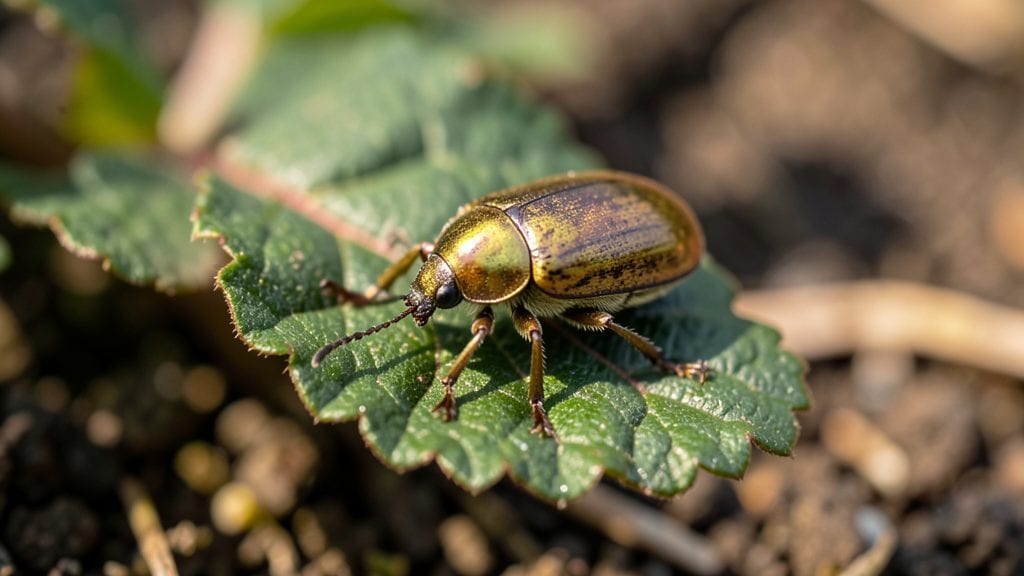
The garden pests beetles—Japanese, Colorado potato, and leaf beetles—turn lush gardens into skeleton leaves in days—until you learn these organic barriers that actually work. 🌿 I’ve spent three summers watching them devour my roses and tomatoes, but these physical and... plant-based defenses finally gave me back my garden without harsh sprays.
The key is combining three layers: row covers to smother them, trap plants like marigolds to lure them away, and neem oil sprays to disrupt their life cycle. You’ll see fewer beetles within a week, and your plants will stop looking like they’ve been chewed by a lawnmower.
No more losing entire rows of potatoes or watching your hydrangeas turn into lace.
This isn’t about spraying everything in sight—it’s about strategic placement of barriers that beetles can’t penetrate or tolerate. Think of it like a fortress: some beetles get trapped, others get confused, and the rest move on to greener pastures.
The best part? Your soil stays healthy, and pollinators like bees stay welcome.
Works for home gardens, raised beds, and even container plants—no matter how bad the infestation looks now. Let’s get those beetles beat before they ruin another season.
Why Beetles Invade Gardens
Beetles aren’t just random visitors—they’re drawn to your garden for specific reasons, often tied to survival, reproduction, or food. Understanding these triggers helps you disrupt their plans before they become a full-blown infestation. Here’s why these six-legged troublemakers show up uninvited:
Most garden beetles, like Japanese beetles or colorado potato beetles, are plant munchers. Their mouths are designed for chewing through leaves, stems, and even roots.
If your garden is a buffet of their favorite foods—think roses, tomatoes, or corn—you’ll see them swarming. Larvae (the worm-like juveniles) often target soil-dwelling plants like potatoes or squash, while adults prefer above-ground feasts.
Why it happens:
- Chemical cues: Plants release volatile organic compounds (VOCs) when stressed or damaged, acting like a dinner bell for beetles. For example, Zea mays (corn) emits compounds that attract corn rootworms.
- Nutrient-rich hosts: Beetles prefer plants with high nitrogen or water content, like young, tender shoots. Over-fertilizing with nitrogen can make your garden even more appealing.
- Seasonal timing: Many beetles sync their life cycles with plant growth. Japanese beetles, for instance, emerge in late June to August when roses and grapes are at peak flavor.
Beetles need more than a meal—they need a place to hide, lay eggs, or overwinter. Shady spots, dense mulch, or cluttered garden edges provide perfect cover. Some species, like flea beetles, even burrow into soil cracks or leaf litter to escape predators and dry conditions.
Why it happens:
- Microclimates: Beetles thrive in areas with 60–80% humidity and temperatures between 70–90°F. A south-facing garden bed or a pile of boards can create an ideal beetle hotel.
- Egg-laying hotspots: Female beetles seek out soft, moist soil (like newly tilled beds) to deposit eggs. Colorado potato beetles, for example, lay eggs on the undersides of potato or eggplant leaves.
- Predator avoidance: Beetles avoid open spaces where birds, spiders, or ladybugs hunt. Dense foliage or ground cover gives them stealth mode.
Beetles are masters of reading the weather. Rain, drought, or even wind can trigger their movements. Some species, like elderberry borers, are drawn to stressed trees after a dry spell, while others, like fireflies (which are beetles!), time their emergence with warm, humid evenings.
Why it happens:
- Drought stress: When plants wilt from lack of water, their chemical defenses weaken, making them easier targets. Root weevils, for example, attack drought-stressed lawns.
- Warm fronts: Many beetles become active when temperatures rise above 55°F. A sudden heatwave can cause a beetle explosion in your garden.
- Flooding or heavy rain: Some beetles, like water scavenger beetles, are attracted to damp areas, while others (like Japanese beetles) seek shelter in soil during downpours.
Beetles are part of a delicate food chain. When their natural enemies—like ground beetles, birds, or parasitic wasps—are missing, their populations skyrocket. Pesticides, habitat loss, or even over-tidy gardens can disrupt this balance.
Why it happens:
- Chemical warfare: Broad-spectrum pesticides kill both pests and their predators (e.g., ladybugs or lacewings). This leaves beetles with no competition.
- Monoculture gardens: Planting the same species in rows (like a cornfield) attracts beetles in mass but starves out diverse predators that need varied diets.
- Lack of habitat: If your yard has no leaf litter, rocks, or native plants, beneficial insects like hunting spiders won’t stick around to keep beetles in check.
Some beetles hitch a ride with insects that damage plants first. For example, aphids weaken plants, making them easier targets for ladybugs (which are beetles!)—but also for destructive species like Mexican bean beetles.
Others, like carpet beetles, invade when they detect decaying organic matter (e.g., dead leaves or compost piles).
Why it happens:
- Secondary infestations: Beetles like stink bugs or leaf-footed bugs often follow early-season pests that create entry points or soften plant tissue.
- Decay magnet: Beetles such as hide beetles are drawn to rotting wood, fruit, or even pet waste in the garden.
- Pollinator confusion: Some beetles mimic flowers or pollinators to sneak into gardens. Blister beetles, for instance, resemble bees to access nectar-rich blooms.
💡 Pro Tip: The key to stopping beetles is disrupting their “why.” Remove their food sources (crop rotation!), block shelter (tidy mulch!), and invite predators (plant dill or fennel for parasitic wasps!). Next up: organic barriers that actually work to keep these critters out.
Beat Back Beetles Naturally
Beetles may be small, but they can wreak big havoc on your garden—chewing leaves, burrowing roots, or even contaminating soil. The good news? With the right organic fixes, you can reclaim your plants without harsh chemicals.
Below, we’ve mapped out practical solutions tailored to common beetle invaders, from Japanese beetles to Colorado potato beetles, plus prevention tips to keep them away for good.
These metallic-green menaces devour roses, grapes, and beans in minutes. Here’s how to outsmart them:
🔥 Trap with a DIY Sacrifice Plant
- How it works: Plant a few rowan (Mountain Ash) trees or Japanese lilac nearby—beetles are drawn to them like a buffet.
- Pro tip: 💡 Add a soapy water trap (mix 1 tsp dish soap + 1 gallon water in a shallow dish) to drown stragglers.
🍳 Handpick & Drown Daily
- When: Early morning (beetles are sluggish).
- How: Shake them into a bucket of soapy water or a sealed jar. Do this for 10–15 minutes daily—it’s tedious but effective!
👨🍳 Neem Oil Spray (Knocks Them Out)
- Mix: 1 tbsp neem oil + 1 tsp mild soap + 1 quart water. Spray undersides of leaves where they hide.
- Reapply: Every 3–5 days after rain.
⏰ Prevention: Plant Smart
- Avoid: Roses, grapes, and raspberries (their favorites).
- Choose instead: Marigolds, garlic, or catnip—their scents repel beetles.
These striped strippers target potatoes, tomatoes, and eggplants. Stop them with these low-effort tactics:
🔪 Handpick Eggs & Larvae (Best Defense)
- When: Check undersides of leaves in May/June for orange eggs (the size of a pinhead).
- How: Scrape them into soapy water or crush them with your fingers (wear gloves!).
🌡️ Floating Row Covers (Physical Barrier)
- Use: Lightweight floating fabric over young plants to block adults from laying eggs.
- Pro tip: 🌡️ Secure edges with soil or rocks—beetles can chew through gaps!
🎯 Diatomaceous Earth (DE) Dust
- How: Sprinkle food-grade DE around plants (especially soil). It dries out their exoskeletons.
- Reapply: After watering or rain.
💡 Prevention: Rotate Crops & Trap Plants
- Avoid planting potatoes/tomatoes in the same spot yearly.
- Plant trap crops: Let beetles feast on mustard greens or radishes instead of your veggies.
If your plants wilt suddenly or grass turns brown in patches, root weevils or grubs might be the culprits. Fix it underground:
🥗 Beneficial Nematodes (Micro Predators)
- How: Apply Heterorhabditis bacteriophora nematodes to soil (available online). They seek out and kill grubs naturally.
- When: Water soil first, then apply at dusk (they hate light).
🍎 Milky Spore (Long-Term Grub Control)
- How: Sprinkle Bacillus popilliae (milky spore powder) on lawns in early spring. Takes 2–3 years to establish but lasts decades.
- Best for: Large lawns with recurring grub damage.
🔥 Coffee Grounds (Natural Repellent)
- How: Mix used coffee grounds into soil (1 cup per plant). The bitter smell deters weevils.
- Bonus: Adds nitrogen to soil!
✨ Prevention: Healthy Soil = Fewer Pests
- Aerate lawns yearly to disrupt weevil egg-laying.
- Avoid overwatering—grubs thrive in soggy soil.
Not sure which beetle you’re dealing with? Try these all-purpose fixes:
🌿 Plant Companion Pairings
| Problem Beetle | Repellent Plant Allies |
|---|---|
| Japanese Beetles | Garlic, Tansy, Catnip |
| Flea Beetles | Radishes, Nasturtiums |
| Root Weevils | Marigolds, Mint, Rosemary |
| Colorado Potato Beetles | Basil, Oregano, Thyme |
💡 DIY Beer Trap (For Ground Beetles)
- How: Bury a shallow dish filled with beer near infested areas. The yeast scent lures them in—then they drown.
- Pro tip: 🔥 Refresh every 2–3 days for best results.
🌡️ Prune & Clean Up
- Remove: Chewed leaves, fallen fruit, and plant debris weekly (beetles hide in these).
- Compost: Only disease-free plant matter—don’t compost beetle-infested plants!
Remember: Consistency is key! Beetles return year after year, so combine trapping, repelling, and prevention for the best results. With these organic methods, your garden will stay lush—and beetle-free—without a single chemical in sight. 🚫🪲
Frequently asked questions
How do I tell if my garden has beetle larvae vs. adult beetles?
Adult beetles are usually 1/4 to 1/2 inch long with hard shells and visible legs, while larvae are worm-like, legless, and often white, yellow, or brown. Check soil near roots for larvae—Japanese beetle grubs, for example, are C-shaped and 1/2 inch long when mature. Adults chew leaves, while larvae attack roots or stems.
Are some beetles actually good for my garden?
Yes! Ladybugs, ground beetles, and parasitic wasps eat harmful pests like aphids and caterpillars. Even fireflies (which are beetles) help pollinate plants. To attract them, plant dill, fennel, or marigolds—they provide food and shelter for these beneficial beetles.
Why do beetles keep coming back even after I treat my garden?
Beetles often return because their life cycle spans multiple seasons. Adults lay eggs that hatch into larvae, which may overwinter in soil. Use consistent barriers (like row covers or neem oil) and remove debris where eggs hide. Also, check neighboring gardens—they may be migrating from nearby areas.
Can I use essential oils to repel beetles?
Yes! Mix 5–10 drops of peppermint, citrus, or rosemary oil with 1 cup water and spray on plants. Reapply every 3–5 days or after rain. Avoid spraying flowers if bees are active—opt for evening applications to protect pollinators.
How long does it take to see results from organic beetle control?
Results vary: Handpicking or traps show immediate effects, while nematodes or milky spore take 2–3 weeks to work. Neem oil provides 24–48 hours of protection but needs reapplication. Consistency is key—most methods take 1–2 weeks to significantly reduce beetle populations.