Container Gardens
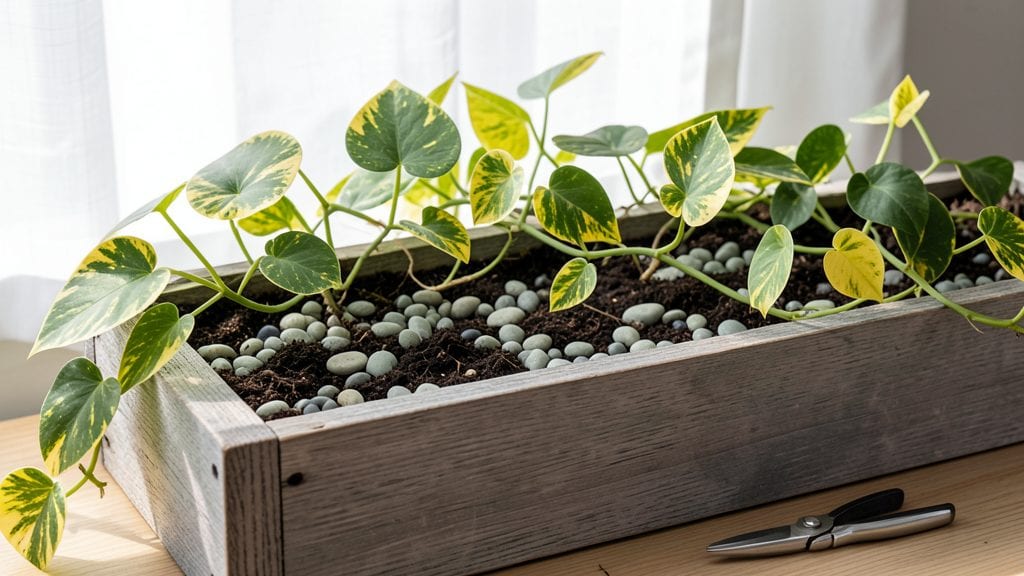
Creating an indoor garden bed that thrives year-round doesn’t require a green thumb—just the right setup. I’ve turned my dim living room corner into a lush, productive mini-garden by choosing compact containers and shade-tolerant plants that actually grow well indoors.
The key is matching your space’s light and airflow to what your plants crave, not what you wish they could handle.
You’ll need lightweight containers with drainage, a grow light if natural light is weak, and soil designed for indoor plants. My favorite combo is a 6-inch-wide raised bed (easy to move) filled with a mix of coco coir, perlite, and worm castings—it stays moist but never soggy.
The plants? Start with snake plants, pothos, or dwarf peppers—they’re forgiving and pack a visual punch without needing a greenhouse.
By summer’s end, you’ll have a vibrant green corner that cleans the air and gives you fresh herbs or veggies anytime. The best part? No more wilting store-bought greens—just reach out and snip what you need.
Even my black thumb kept these alive, and the results look like a professional designer did it.
Works in apartments, offices, or sunrooms—just adjust the plant choices based on your light. Let’s get growing, even if your space is smaller than a postage stamp!
📚 In This Guide
- What you need
- Instructions
- Tips and common mistakes
- Wrapping up and next steps
What you need
- ● Growing Container: 1 large, shallow tray (12"–24" wide, 4"–6" deep) or a window box (adjust size based on space).
- ○ Optional: Self-watering planter with a reservoir for low-maintenance care.
- ● Growing Medium: 1 bag (1–2 cu. ft.) of high-quality potting mix (avoid garden soil—it compacts!).
- ○ Optional: Perlite or vermiculite (1 cup) for drainage.
- ● Drainage Layer: 1–2 inches of pebbles, gravel, or broken pottery (prevents root rot!).
- ● Plants: 3–5 low-light or herbaceous plants (e.g., herbs like basil/parsley, succulents, or leafy greens like lettuce).
- ● Pro tip: Choose plants with similar watering needs to simplify care! 💡
- ● Basic Tools: 1 small hand trowel (for planting).
- ● 1 spray bottle (for gentle watering).
- ○ Optional: Pruning shears (for trimming).
- ● ✅ Sunlight: A south-facing window (6+ hours of light/day) or a grow light (LED or fluorescent, 12–16 hrs/day).
- ● ✅ Space: A flat surface (countertop, shelf, or table) at least 12" wide for airflow.
- ● ✅ Water Access: A sink or watering can nearby for easy hydration.
- ○ Optional: A humidity tray (pebbles + water) if your home is dry! 🌡️
Step-by-step instructions for building indoor garden beds
Here’s how to create functional, stylish indoor garden beds that maximize space and greenery.
Choose the Right Location and Materials
Select a flat, sturdy surface like a table, shelf, or countertop that gets 4-6 hours of indirect light daily. Avoid direct sunlight, which can overheat the soil and scorch plants. Measure your space to determine the bed dimensions—stick to no more than 4 feet long to ensure even moisture distribution. I like to use lightweight materials like cedar planks or recycled plastic lumber for the frame, as they won’t weigh down your surface.
For the bed itself, line the bottom with landscape fabric to prevent soil from falling through gaps or onto your floor. This also helps block weeds if you’re using outdoor soil. If your surface has wheels (like a rolling cart), secure the fabric with small staples or weights to keep it in place during watering.
Build the Frame and Add Drainage
Construct a simple rectangular frame using 2x4 lumber or sturdy plastic strips to hold the soil. For a 4-foot-long bed, cut two pieces at 12 inches deep and two at 48 inches long to create a low, wide container. Assemble the frame with screws or corner brackets, ensuring it’s level and stable—wobbling beds can spill soil or damage plants.
Drill ¼-inch drainage holes along the bottom of the frame, spacing them 6 inches apart. Place a piece of hardware cloth over the holes before adding soil to keep roots from escaping while allowing excess water to drain. If your surface lacks drainage, add a 1-inch layer of pebbles or perlite at the bottom to improve airflow and prevent soggy roots.
Fill With Soil and Plant Your Greenery
Fill the frame with 4-6 inches of high-quality potting mix, tamping it down lightly to remove air pockets. Avoid garden soil—it’s too heavy and can compact, suffocating roots. For a 4-foot bed, you’ll need about 1 cubic foot of soil (roughly 12-15 gallons). Mix in a slow-release fertilizer or compost to give plants a nutrient boost without overfeeding.
Plant your greenery in rows or clusters, spacing them according to their mature size. For example, herbs like basil or thyme can be planted 6 inches apart, while leafy greens like lettuce or spinach should have 8-10 inches between plants. Water gently after planting to settle the soil and encourage root contact.
Maintain Light, Water, and Humidity
Place your indoor garden bed near a south- or east-facing window for the best natural light. If light is limited, supplement with a grow light positioned 6-12 inches above the plants for 12-14 hours daily. Watch for yellowing leaves or leggy growth—these are signs your plants need more light or are stretching toward a single light source.
Water the bed when the top inch of soil feels dry, using a gentle spray or watering can to avoid disturbing the soil. Indoor air is often dry, so mist the leaves occasionally or place a humidity tray (a shallow tray with pebbles and water) nearby to keep foliage healthy. Avoid overwatering—soggy soil leads to root rot, and you’ll notice wilting or mold within days.
Prune and Harvest Regularly
Trim back leggy or overgrown plants to encourage bushier growth and prevent them from shading smaller neighbors. Use clean, sharp scissors to snip just above a leaf node (the bump where leaves meet the stem). For herbs, harvest leaves as needed by pinching off the top sets—this prompts new growth and keeps plants compact.
Rotate the bed a quarter turn weekly so all plants get even light exposure. This simple step prevents uneven growth and ensures your greenery stays lush and productive. With consistent care, your indoor garden bed will thrive year-round, giving you fresh herbs, veggies, or flowers without stepping outside.
Tips & tricks for perfect indoor garden beds
Building an indoor garden bed is all about maximizing space and growing conditions—here are the key strategies to ensure your greenery thrives from day one.
Location is Everything: That 4-6 hours of indirect light is non-negotiable for most leafy greens and herbs. If your space only gets 3 hours, supplement with a grow light positioned 6-12 inches above for those critical 12-14 hours daily. I've seen plants stretch dramatically toward a single light source—rotate the bed quarter-turn weekly to prevent this "light starvation" effect.
Frame Stability Matters: When assembling your 4-foot frame, double-check for levelness with a carpenter's level or even a smartphone app. A wobbling bed isn't just frustrating—it can cause soil spills and root damage. For extra stability, add corner braces to your 2x4 lumber frame, especially if using lightweight materials like plastic strips. I learned this the hard way when my first bed tipped during watering!
Soil Science: That 4-6 inches of potting mix should be fluffy, not compacted. After filling your frame, gently press down with your hands to remove air pockets, but don't pack it like garden soil. For the 12-15 gallons needed in a 4-foot bed, I recommend mixing in 1 cup of perlite to improve drainage—this prevents the soggy soil that leads to root rot, especially important in indoor environments where humidity fluctuates.
Watering Wisdom: The "top inch dry" rule works, but here's the trick: use your finger to check moisture at three different spots in the bed. Indoor humidity varies dramatically from room to room, so what works in one space might lead to overwatering in another. For herbs like basil, I find they need watering every 3-4 days, while leafy greens like spinach can go 5-6 days between waterings when kept in consistent conditions.
Pro Tips for Indoor Garden Bed
- Building an indoor garden bed is all about maximizing space and growing conditions—here are the key strategies to ens...
- Location is Everything: That 4-6 hours of indirect light is non-negotiable for most leafy greens and herbs. If your s...
- Frame Stability Matters: When assembling your 4-foot frame, double-check for levelness with a carpenter's level or ev...
Frequently asked questions
Got questions about setting up your own indoor garden bed? You’re not alone—here are some of the most common ones we hear, along with quick answers to get you growing!
What’s the best location for an indoor garden bed?
Place your garden bed near a south- or west-facing window for the most natural light (6–8 hours/day). If light is limited, supplement with a grow light (LED or fluorescent) 12–16 inches above plants. Avoid drafty spots, like near vents or doors, which can stress plants.
How often should I water an indoor garden bed?
Check soil moisture daily—stick your finger 1 inch deep. Water when the top layer feels dry. Overwatering is riskier than underwatering, so opt for well-draining soil and pots with drainage holes. A self-watering system can help maintain consistency.
Are there budget-friendly alternatives to raised garden beds?
Yes! Use repurposed containers like:
- Plastic bins (drill holes for drainage)
- Wooden crates (line with landscape fabric)
- Fabric grow bags (affordable and lightweight)
- Old bathtubs or sinks (clean and sanitize first!)
How do I keep pests out of my indoor garden bed?
Prevent pests with these tips:
- Use organic pest control like neem oil or insecticidal soap.
- Inspect new plants for hitchhiking bugs before bringing them inside.
- Keep your space clean and dry—pests love damp soil.
- Introduce beneficial insects (like ladybugs) if safe for your setup.
Can I grow herbs, veggies, or flowers in an indoor garden bed?
Absolutely!
Start with low-light-tolerant plants like:
- Herbs: basil, mint, parsley, chives
- Veggies: leafy greens (kale, spinach), microgreens, cherry tomatoes (with grow lights)
- Flowers: pothos, peace lilies, African violets, or dwarf sunflowers
Wrapping up and next steps
Creating an indoor garden bed is a rewarding way to bring nature into your home, no matter your space constraints. Whether you’re growing herbs for cooking, lush plants for aesthetics, or fresh veggies for healthier meals, these space-saving solutions make it easier than ever.
Start small, experiment with what thrives in your environment, and watch your green thumb grow!
Ready to take the next step? Pick your favorite plants, gather your supplies, and get growing! 🌱 Your future indoor oasis awaits—just a few seeds (or cuttings) away.