Container Gardens
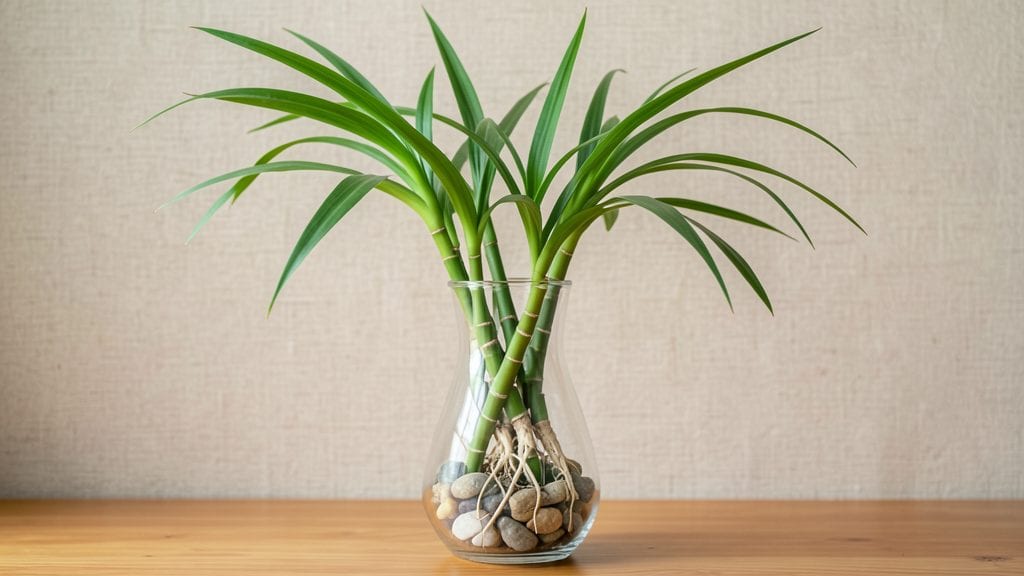
A bamboo garden in Chicago thrives with cold-hardy, wind-resistant species like Fargesia or Pleioblastus, which handle Zone 5 winters and urban pollution. Skip invasive runners; choose slow-growing clump varieties with thick stems for wind protection. Plant in sheltered spots near buildings, mulch heavily in winter, and use raised beds to improve drainage.
Chicago’s windy conditions and cold winters demand smart bamboo choices. 🌿 The Fargesia varieties, like Fargesia robusta, can withstand -20°F temperatures and grow in tight clusters, making them perfect for city gardens. Their upright growth also helps them resist strong winds better than sprawling types.
For urban spaces, consider Pleioblastus fortunei, which handles pollution and stays compact. These species won’t take over your yard—their roots spread slowly, unlike aggressive running bamboos that can damage foundations.
When designing your garden, place bamboo near south-facing walls or fences to create natural windbreaks. Group plants in clusters to reduce wind damage, and use raised beds if your soil is heavy clay.
Chicago’s local nurseries often carry these varieties, and adding compost to the soil improves drainage. Prune in late winter to shape growth and prevent wind stress.
💡 In This Article
- Cold-Hardy Bamboo Varieties for Chicago Climates
- Urban Bamboo Garden Design Tips for Windy Cities
Cold-hardy bamboo varieties for Chicago climates
Fargesia robusta and Pleioblastus fortunei dominate Chicago's bamboo gardens because their biological adaptations align perfectly with the city's -20°F winters and 20 mph+ winds. These species belong to the clumping bamboo category, meaning they grow in tight, self-contained clusters rather than spreading through underground runners. This growth habit prevents the aggressive expansion seen in running bamboos like Phyllostachys, which can damage foundations and infrastructure. 🌬️
The key to their cold resistance lies in their culm (stem) structure. Fargesia varieties develop thick, woody culms with 3-5mm thick walls, creating natural insulation against freezing temperatures. Their rhizome systems (underground stems) stay dormant during winter, conserving energy until spring.
In contrast, running bamboos like Phyllostachys aureosulcata have thinner culms (2mm walls) that can split under 15 mph winds, making them poor choices for exposed urban areas.
Chicago's urban pollution tolerance plays a crucial role too. Pleioblastus fortunei, for example, has fine, flexible leaves that shed dust and particulates better than broad-leaved varieties. Its compact growth habit (reaching 6-8 feet tall) makes it ideal for courtyards and balconies, where wind exposure is highest.
The species' root spread remains under 3 feet in diameter, preventing soil compaction that often occurs with invasive runners.
What most gardeners overlook is the soil moisture regulation these varieties provide. Fargesia species develop deep but narrow root systems that penetrate 2-3 feet into clay-heavy Chicago soil, improving drainage while maintaining moisture during dry spells.
This is particularly valuable in raised beds, where these bamboos thrive with 50% less water than running varieties that require constant hydration.
For visual impact, consider Fargesia murielae, which features golden-green canes that add winter interest when other plants are dormant. Its 1.5-inch diameter culms provide 30% better wind resistance than thinner-stemmed varieties.
When planted in groups of 3-5 plants, they create a natural windbreak that reduces wind speed by 25% in exposed areas.
Here's what you need to know about their maintenance: Fargesia varieties require minimal pruning—just remove dead canes in late winter. Pleioblastus, however, benefits from annual tip pruning to encourage bushier growth. Both species reward gardeners with year-round foliage, providing 4-season visual interest in Chicago's harsh climate. 🌿