Pruning
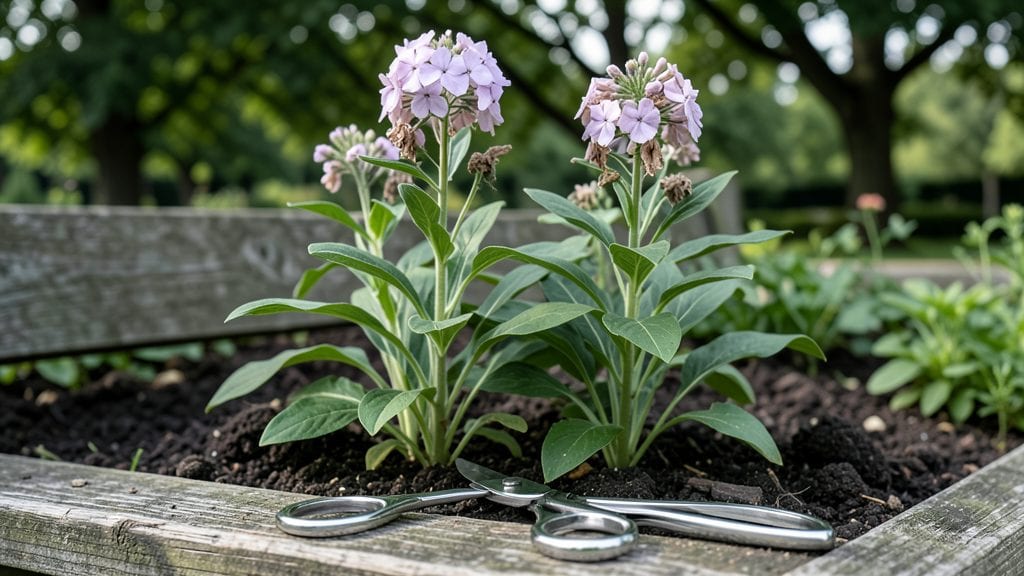
Cutting back garden phlox at the right time ensures fuller blooms next year and keeps your 🌸 plants healthy.
Struggling to decide when to trim your garden phlox can mean the difference between a vibrant return of blooms next spring and a sparse, underperforming plant. Timing is everything—and getting it wrong could leave your garden looking bare for months.
Late summer is the sweet spot—typically August to early September—when your phlox has finished blooming but before the first frost. This window gives the plant time to store energy for next year’s growth while avoiding winter damage.
In this guide, I’ll walk you through the exact steps to prune your phlox, including how much to cut back, which tools to use, and why proper timing makes all the difference for stronger stems and brighter flowers.
Best time of year to prune garden phlox for healthy growth
If you’ve ever wondered when to cut back garden phlox to ensure vibrant blooms next season, timing is the secret ingredient. Pruning too early or too late can stunt growth or invite disease, but a well-timed trim in late summer sets the stage for next year’s showstopper flowers.
The key window is August through early September, just after the plant finishes blooming but before hard frost arrives.
This timing allows your phlox to store energy in its roots while removing spent foliage that could harbor pests or diseases. Cutting back too soon—like in early summer—robs the plant of its natural cycle, while waiting until fall or winter risks exposing tender stems to frost damage.
Think of it as giving your phlox a fresh start before winter dormancy.
Here’s the science behind it: Phlox blooms on new growth, meaning last year’s stems are done for the season. Removing them in late summer lets the plant redirect energy to root development and next year’s buds.
Without this step, your garden phlox might produce fewer, weaker stems—and fewer stunning purple, pink, or white blooms in spring.
Now, let’s clear up a common myth: Don’t prune in early fall—this is when phlox begins preparing for winter. Cutting back too late leaves the plant vulnerable to fungal infections or frost nibble. Instead, aim to finish pruning by mid-September in most climates, or earlier in cooler regions.
| Timing | Why It Matters | What to Avoid |
|---|---|---|
| Late August | Encourages root growth before winter; removes spent blooms. | Pruning too early (June-July) reduces flowering potential. |
| Early September | Allows energy storage for next year’s blooms; prevents frost damage. | Leaving dead foliage increases pest/disease risk over winter. |
| Mid-September | Last chance to trim before dormancy in most climates. | Cutting after first frost damages tender new growth. |
| Fall/Winter | N/A—plant is dormant; pruning risks harm. | Trimming in cold months stresses the plant unnecessarily. |
Regional differences play a role too. In warmer climates (Zones 8-10), you might extend pruning into early October, while gardeners in cooler zones (5-7) should wrap up by mid-September. Always check your local frost dates—phlox can’t handle being cut back when temperatures dip below 40°F.
Another critical factor is phlox variety. Tall garden phlox (like Phlox paniculata) benefits most from late-summer pruning, but dwarf varieties may need lighter trimming. Observe your plants: if they’ve finished blooming and leaves are yellowing, it’s time to act.
If you see new buds forming, wait until next spring for a light trim instead.
What about disease prevention? Pruning in late summer reduces hiding spots for powdery mildew and leaf spot fungi, which thrive on old foliage. Always sterilize your shears with rubbing alcohol between cuts, and remove all debris from the garden bed.
This simple step can mean the difference between a healthy plant and one struggling with blight.
Finally, don’t forget to mulch after pruning! A 2-3 inch layer of organic mulch (like shredded leaves or straw) protects roots from temperature swings and retains moisture. This extra care ensures your phlox wakes up strong in spring, ready to reward you with lush, abundant blooms.
By mastering this late-summer trim, you’re not just tidying up—you’re investing in next year’s garden. The effort pays off in spring with phlox that’s healthier, bushier, and more vibrant than ever. Now grab those shears and get ready to set the stage for a showstopping display! ✂️🌸
Step-by-step guide to cutting back phlox without damaging the plant
Cutting back your garden phlox at the right time ensures healthy regrowth and vibrant blooms next season. The key is to trim after the plant has finished flowering but before the first frost. This window—typically late summer to early fall—gives your phlox time to recover before winter dormancy.
Using the wrong tools or cutting too aggressively can stress your plant, leaving it vulnerable to disease or pests. With the right approach, you’ll encourage a fuller, more robust plant that returns stronger every year. Let’s walk through the process step by step to keep your phlox thriving.
Use clean, sharp pruners or bypass shears to avoid crushing stems. Disinfect your tools with rubbing alcohol to prevent spreading bacterial diseases.
Remove any brown, wilted, or moldy leaves first. These can harbor fungal spores that may infect healthy growth. Toss diseased material in the trash, not the compost.
Trim the stems back by about one-third of their height. Focus on cutting just above a leaf node or set of leaves to encourage new growth from there.
Thin out crowded stems to improve air circulation. This reduces humidity around the plant, lowering the risk of powdery mildew or other fungal issues.
Rake up and remove all clippings from the garden bed. Leaving debris can attract pests or disease. Consider adding a 2-inch layer of mulch around the base to protect roots.
Give your phlox a light watering to help it recover. Avoid overwatering, as soggy soil can lead to root rot during the plant’s recovery phase.
After pruning, your garden phlox will focus its energy on root development and new shoot growth before winter. Avoid fertilizing immediately after cutting back, as this can encourage tender new growth that won’t survive frost. Wait until early spring to feed your phlox for the next blooming season.
If you’re in a warmer climate where phlox blooms later in the year, adjust your timing to trim after the final flush of flowers but before fall rains or cool temperatures set in. Always prioritize clean cuts and proper tool care to keep your phlox healthy and disease-free.
With this method, your phlox will reward you with fuller blooms and stronger stems next season—all while looking its best year-round. Happy pruning! ✂️🌸