Planting
Philadelphia's gardening zone includes USDA Hardiness Zones 6b to 7a, with average minimum temperatures ranging from -5°F to 5°F, allowing for diverse plant selections like perennials, shrubs, and cold-hardy vegetables.
Philadelphia’s climate creates a unique growing environment where you can thrive with the right plant choices.
The city’s USDA Zones 6b-7a mean winters are cold but manageable for many plants, while summers provide ample warmth for growth. 🌿 Native species like black-eyed Susans and serviceberry trees do exceptionally well here, as do cold-resistant vegetables such as kale and broccoli.
Microclimates—like urban heat islands or shaded backyards—can even expand your options further.
Understanding these zones helps you avoid frost damage and maximize your garden’s potential. For example, early spring can still bring unexpected cold snaps, so knowing your zone lets you time plantings precisely.
Whether you're a beginner or a seasoned gardener, this knowledge is your secret weapon for a lush, resilient garden.
💡 In This Article
- Understanding Philadelphia’s USDA Hardiness Zones 6b-7a
- Best Plants for Philadelphia’s Gardening Zones
Understanding Philadelphia’s USDA hardiness zones 6b-7a
Philadelphia’s climate is shaped by its position along the East Coast, where Atlantic air masses moderate temperatures but still allow for cold winters.
The USDA Zone 6b (average minimum -5°F) dominates the western and northern edges, while Zone 7a (average minimum 5°F) covers most of the city center and southern neighborhoods.
These zones reflect Philadelphia’s 100-120 frost-free days annually, with the last spring frost typically occurring around April 15 and the first fall frost around October 15. The temperature swing between seasons—from 90°F summers to -10°F winters—creates a challenging but rewarding growing environment.
The city’s microclimates add another layer of complexity. Urban heat islands in downtown areas can push summer temperatures 5-10°F higher than suburban zones, while shaded backyards or riverfront properties near the Schuylkill may experience earlier spring thawing.
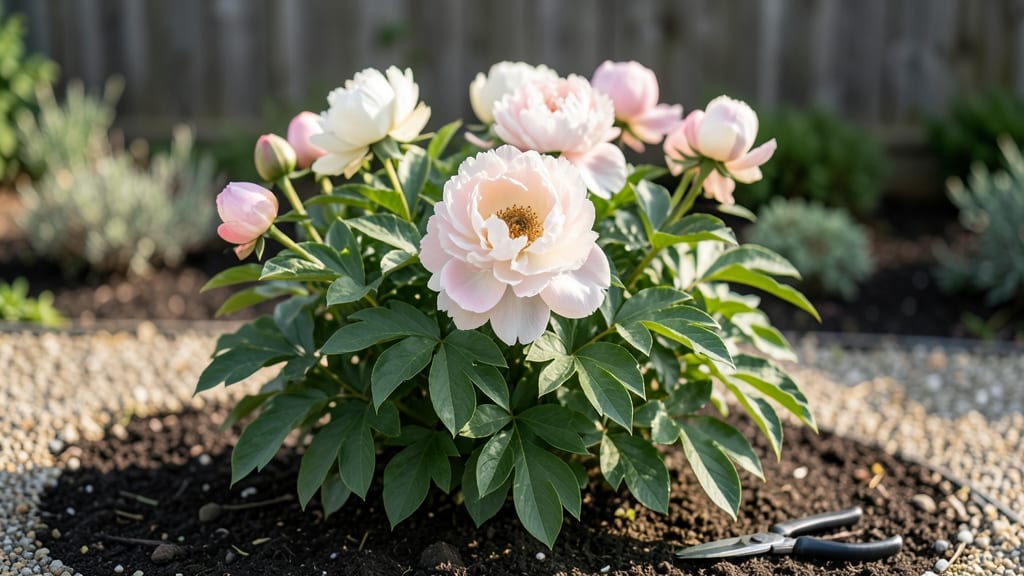
These variations mean a garden just one mile away might have a 2-3 week difference in planting windows. For example, peonies planted in a sunny city lot may bloom 10 days earlier than identical plants in a shaded neighborhood.
Understanding these shifts helps gardeners select plants that thrive in their specific corner of the city.
Seasonal shifts are critical for plant survival. Philadelphia’s cold-hardy perennials like coneflowers and hostas rely on a period of winter dormancy to reset their growth cycles. Without adequate cold exposure (below 32°F for at least 4-6 weeks), some plants may fail to flower or produce weak stems.
Meanwhile, summer’s high humidity (often 70-80% relative humidity) demands disease-resistant varieties to prevent fungal issues like powdery mildew. The interplay between temperature, moisture, and sunlight creates a delicate balance that determines which plants will flourish.
Here’s what these zones mean for your garden: Zone 6b areas (like Northeast Philadelphia) can support hardy fruit trees like apples and cherries, while Zone 7a (South Philly) allows for slightly more tender plants like figs or olive trees in protected microclimates.
The 10°F difference between zones translates to a 2-4 week extension in the growing season for Zone 7a plants. For instance, tomatoes in Zone 7a can often be planted 2 weeks earlier than in Zone 6b without risking frost damage.
Philadelphia’s climate also brings unpredictable weather patterns—a late May frost or early September heatwave can catch gardeners off guard. This variability is why native plants, evolved to handle Philadelphia’s extremes, often outperform non-native species.
For example, serviceberry trees thrive here because they’ve adapted to the city’s abrupt temperature swings and compacted urban soil. Even within the same zone, elevation changes (like higher ground near Wissahickon Valley) can create 2-3°F cooler microclimates, extending the growing season by 1-2 weeks.
What most gardeners don’t realize is how soil temperature plays a role—seeds often need 60-70°F soil to germinate, which may not arrive until mid-May in Zone 6b but could be late April in Zone 7a. This explains why some gardeners in South Philly can plant warm-season crops 3 weeks earlier than those in Northeast Philly.
Paying attention to these nuances helps you avoid common mistakes like planting too early or selecting plants that struggle with Philadelphia’s hot, humid summers or freeze-thaw cycles.