Planting
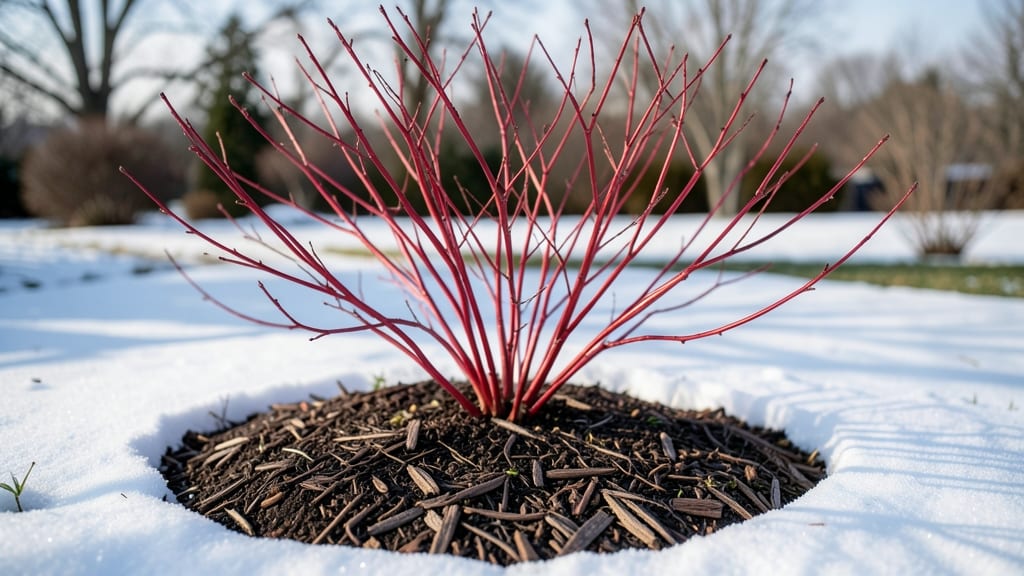
Zone 4 gardening thrives in cold climates with average minimum temperatures between -30°F and -20°F (-34°C to -29°C), requiring frost-resistant plants like coneflowers, Russian sage, and hardy vegetables such as kale and broccoli. Layer mulch and use cold frames to extend growing seasons and protect tender crops from harsh winters.
Zone 4 gardening is all about working with nature's coldest extremes, not against them.
The key is selecting plants that enter dormancy naturally and can withstand prolonged freezing—think of it like choosing winter coats for your garden. 🌱 I've found that adding a thick layer of straw mulch around perennials can raise soil temperatures by 5-10°F, giving roots critical protection during deep freezes.
Even in these harsh conditions, the right plants can produce stunning blooms and bountiful harvests when given proper winter care.
What sets Zone 4 apart is the need for strategic planning. Unlike warmer climates, you'll want to focus on perennial workhorses that come back year after year, like catmint and hardy geraniums, rather than annuals that require replanting.
The growing season here is short—typically just 90-120 days—so succession planting becomes your best friend for maximizing yields.
💡 In This Article
- Understanding Zone 4 Plant Hardiness Factors
- Top Cold-Resistant Plants for Zone 4 Gardens
Understanding Zone 4 plant hardiness factors
Here's what's actually happening when plants survive Zone 4's brutal winters: they rely on a combination of cellular adaptations and physiological dormancy. During cold snaps, plants produce special proteins called antifreeze proteins that prevent ice crystals from forming within their cells.
These proteins bind to ice nuclei, lowering the freezing point of water in plant tissues by up to 5°F. 💫 Think of it like nature's built-in thermal underwear for plants—without it, even hardy species would shatter from internal ice formation.
The USDA Plant Hardiness Zone Map uses 30-year average annual minimum temperatures to categorize zones, but Zone 4's range (-30°F to -20°F) represents a critical threshold where most plants either thrive or fail.
For example, a Russian sage can handle -30°F because its deep root system stores carbohydrates that fuel regrowth in spring, while a tomato plant (Zone 5-10) would suffer irreversible damage. The map's color-coded zones help gardeners visualize which plants have evolved these cold-survival mechanisms.
Dormancy is the secret weapon of Zone 4 gardening. When temperatures drop below 40°F, most perennials enter a state where metabolic activity slows to just 1-5% of normal rates.
This metabolic hibernation conserves energy while allowing roots to survive being frozen solid. 🌱 What most people don't realize is that some plants actually need cold exposure to complete their life cycles—a process called vernalization.
This is why you can't grow true Zone 4 perennials from seed in warmer climates without artificial cold treatment.
Interpreting the zone map requires looking beyond just the number. Microclimates can create 5-10°F differences within just a few yards—south-facing slopes warm up faster than north exposures, and urban areas often run 2-5°F warmer than rural areas.
For instance, a garden in Zone 4a (-30°F to -25°F) might successfully grow winter wheat (hardy to -20°F), while the same variety would fail in Zone 4b (-25°F to -20°F) without protective measures.
Here's how to apply this science practically: Start by checking your exact zone using the interactive USDA map, then add 2-3°F if you're in a cold pocket.
For plants labeled "Zone 3-4," the 3 indicates their absolute minimum tolerance, while 4 shows their optimal range. 🌿 This explains why you might see black-eyed Susans thriving in Zone 4b but struggling in Zone 4a without extra winter protection.
Consider these key factors when selecting plants: root depth (deeper roots insulate better), leaf structure (needle-like leaves lose less moisture), and growth habit (low-growing plants collect less wind chill).
For example, creeping thyme stays green year-round because its woody stems protect meristem tissue, while daylilies die back to the ground but regrow from protected buds.
The most reliable cold-hardy plants share these traits: they store 30-50% more carbohydrates than tender species, have thicker cell walls, and produce antioxidants that protect cellular membranes during freeze-thaw cycles. 🌟 This biological armor explains why Russian olive trees survive -40°F while apple trees (Zone 4-8) need winter protection.