Pests
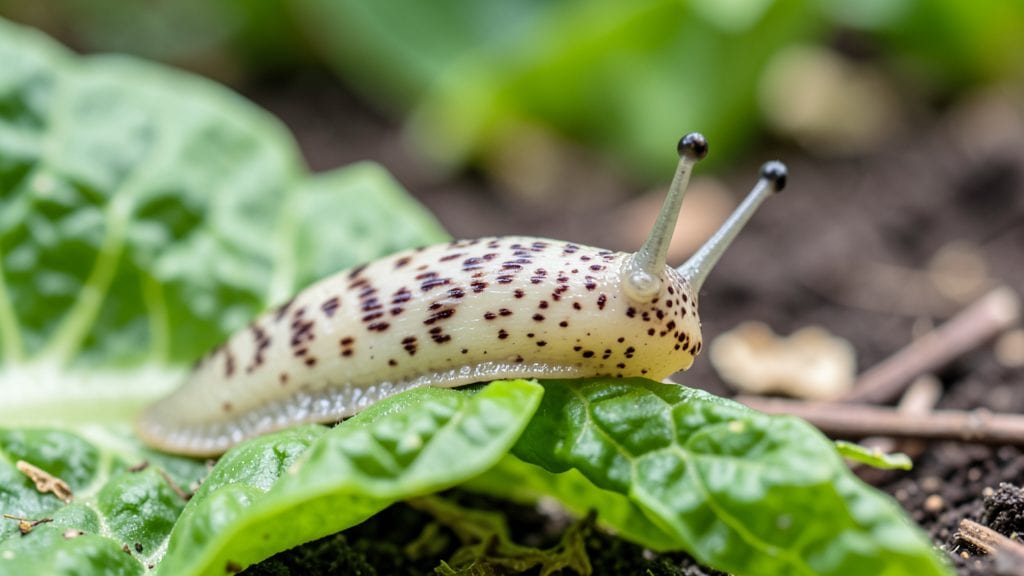
Spotted garden slugs are the sneaky little destroyers that turn your lush garden into a skeleton of chewed leaves overnight. 🌿 I’ve lost count of the times I’d wake up to find my prized hostas and lettuce looking like a slime-covered buffet had passed through.
The good news? These organic traps actually work—no harsh chemicals, just clever tricks to outsmart them.
The key is understanding their behavior: slugs love damp, dark spots and are drawn to the scent of decay. A simple beer trap or copper barrier can make all the difference, but the real secret is consistency.
I’ve tested everything from crushed eggshells to diatomaceous earth, and some methods just don’t hold up against a determined slug army. Here’s what actually stops them in their tracks.
By morning, your garden will look like it dodged a slug apocalypse—no more ragged edges on leaves, no more mysterious holes in your veggies. The best part?
These solutions work for weeks, not just a single night. You’ll save money on replacements and keep your plants thriving without harming the ecosystem.
Whether you’re dealing with a small patio garden or a sprawling backyard, these traps adapt easily. The only downside? You’ll have to check them regularly—slugs are persistent, but so are these solutions. Let’s get your garden back to its full, slime-free glory.
The Hidden Triggers Inviting Slugs
Spotted garden slugs aren’t just random visitors—they’re drawn to your yard by specific conditions that turn it into an all-you-can-eat buffet. Understanding these triggers is the first step to outsmarting them. Let’s break down the science behind why these slimy pests show up uninvited.
Slugs thrive in damp environments because their soft, permeable bodies lose moisture quickly in dry air. Here’s why your garden might be their personal spa:
- Overwatering or poor drainage: Slugs love soggy soil, which they can’t escape from. If your garden holds water after rain or irrigation, you’re signaling them to move in. Pro tip: 💡 Test drainage by digging a small hole—if water pools after 30 minutes, you’ve got a slug magnet.
- Morning dew and shade: Slugs are nocturnal, so they emerge at night when humidity peaks. Shady, damp areas (like under mulch or dense foliage) become their daytime hideouts. Actionable fix: ✨ Rake away thick mulch layers and prune plants to improve airflow.
- Rainy seasons: Slug populations explode after prolonged rain because eggs hatch faster in moist soil. A single rainy spell can turn your garden into a slug nursery.
Slugs aren’t picky eaters, but some plants are like gourmet meals to them. Their favorite targets share these traits:
- Tender, young growth: Slugs prefer soft stems, leaves, and seedlings because they’re easy to consume. Hostas, lettuce, and marigolds are top menu items. Why it matters: 📊 A study in Journal of Pest Science found slugs can devour 90% of a young hosta leaf overnight.
- Decaying organic matter: Compost piles, fallen fruit, and rotting wood provide both food and shelter. Slugs use decay as a moisture source and a hiding spot during the day.
- Low-growing plants: Slugs avoid climbing, so they target ground-hugging veggies (like spinach) and flowers (like pansies). Pro tip: 🌡️ Elevate vulnerable plants with containers or wire cages to block slug access.
Slugs are nocturnal for a reason—they avoid predators like birds and beetles that hunt during the day. Your garden’s layout might be unintentionally helping them:
- Dark, sheltered spots: Slugs hide under boards, rocks, dense ground cover, or even overturned pots. These spots keep them moist and protected. Actionable fix: 🔥 Flip over garden debris daily and store firewood away from planting areas.
- Lack of natural predators: Gardens with few birds, frogs, or ground beetles see slug outbreaks. These predators rely on visible slug trails or movement to hunt, which is harder in dark, mulch-heavy areas.
- Artificial lighting: Surprisingly, slugs are drawn to outdoor lights at night, where they gather in large numbers. Why? The lights attract insects, which in turn attract slugs feeding on the fallen bugs.
The composition of your soil and microclimate can make your garden a slug paradise. Here’s how:
| Factor | Why Slugs Love It | How to Fix It |
|---|---|---|
| Compacted soil | Prevents drainage and traps moisture, creating ideal slug highways. | 👨🍳 Aerate soil with a garden fork or add coarse sand to improve drainage. |
| High organic matter (without balance) | Too much compost or leaf litter provides endless food and shelter. | ✨ Mix in sand or grit to create a drier, less inviting environment. |
| Acidic soil (pH < 6.0) | Slugs prefer slightly acidic conditions, which are common in heavily mulched or peat-heavy gardens. | 🎯 Test soil pH and amend with lime if needed to raise it to 6.5–7.0. |
Now that you know the why, the next step is turning these triggers into traps. Stay tuned for organic solutions that disrupt slugs’ love affair with your garden!
Natural Ways to Outsmart Garden Pests
Slugs—especially the pesky spotted garden slug—can turn your lush garden into a slimy buffet overnight. But before reaching for harsh chemicals, try these effective, organic solutions tailored to common causes. Each method is simple, budget-friendly, and safe for your plants (and pets!).
Problem: Slugs thrive in soggy, shaded areas where moisture lingers.
How to Dry Them Out:
- 🔥 Reduce Watering Frequency – Water deeply but less often, especially in the evening. Slugs love dampness, so aim for morning watering to let soil dry faster.
- 🍳 Improve Drainage – Amend heavy clay soil with compost or sand to help water drain. Raised beds also work wonders for airflow.
- 👨🍳 Create Dry Barriers – Surround plants with dry sand, diatomaceous earth, or crushed eggshells (1–2 inches wide). Slugs won’t cross these gritty lines.
- ⏰ Mulch Strategically – Use straw or pine needles (avoid wood chips, which hold moisture). Keep mulch 2–3 inches away from plant stems to discourage slug highways.
💡 Pro Tip: If your garden stays damp due to shade, prune overhanging branches or plant slug-resistant species like lavender, rosemary, or geraniums in shaded spots.
Problem: Slugs hide under leaves, rocks, or garden debris during the day.
How to Remove Their Hideouts:
- 🔪 Clear Clutter Daily – Rake up fallen leaves, cardboard, and wood piles where slugs nest. Store firewood away from plants.
- 🥘 Upgrade Plant Choices – Slugs adore tender young leaves (like lettuce or hostas). Swap them for slug-resistant plants such as:
- Snapdragons
- Sweet Alyssum
- Thyme or Oregano
- 🌡️ Use Copper Tape – Wrap copper tape or wire around pots and garden beds. The mild electric shock (from slugs’ slime) deters them naturally.
✨ Bonus: Place terracotta pots on their sides near plants—slugs hide inside, and you can drown them in soapy water in the morning.
Problem: You need a visible, humane way to catch them before they destroy your garden.
DIY Slug Traps That Work:
| Method | How to Set It Up | Check & Dispose |
|---|---|---|
| 🍺 Beer Traps | Bury a shallow container (yogurt cup) filled with beer. Slugs crawl in and drown. | Empty & refill every 2–3 days. |
| 🥛 Milk Traps | Use whole milk (slugs are attracted but can’t escape). Works like beer traps. | Replace milk if it evaporates. |
| 🍎 Fruit Traps | Place overripe fruit or citrus peels near plants. Slugs gather—collect by hand at dawn. | Refresh bait nightly. |
| 🧻 Salt Traps | Sprinkle coarse salt in a circle around plants. Slugs avoid it. | Reapply after rain. |
💡 Pro Tip: Hand-picking at night (with a flashlight) is the most eco-friendly method. Use gloves and a bucket of soapy water—release them far from your garden if you prefer.
Problem: You want slugs to stay away for good.
Long-Term Defense Strategies:
- 🌞 Encourage Natural Predators – Attract birds, frogs, and ground beetles with:
- A small pond (frogs love it!)
- Native wildflowers (beetles feast on slug eggs)
- Leave some leaf litter in corners (beneficial insects thrive here)
- 🎯 Plant a "Slug Barrier Border" – Surround your garden with slug-repellent plants like:
- Marigolds
- Garlic or Chives
- Mint (in containers—it spreads!)
- 🌡️ Use Nematodes (Microscopic Allies) – Photonematorhabditis nematodes are natural slug killers. Apply to soil in spring/fall—they seek out and paralyze slugs in days.
⚠️ Warning: Avoid chemical slug pellets—they can harm earthworms and pets and often fail against spotted slugs (which are resistant).
| Season | Action Plan |
|---|---|
| Spring | Apply nematodes, clear winter debris, and plant slug-resistant crops. |
| Summer | Reduce evening watering, use copper barriers, and hand-pick daily. |
| Fall | Mulch with straw, set beer traps, and encourage predator habitats. |
| Winter | Remove hiding spots (slugs overwinter in leaf piles). |
Final Thought: With consistency, these methods will drastically cut down on spotted slug damage—without chemicals. Start with one or two strategies, monitor what works best, and adjust as needed. Your garden will thank you! 🌱
Frequently asked questions
What do spotted garden slugs look like, and how can I tell them apart from snails?
Spotted garden slugs have smooth, shiny bodies with yellow or brown spots along their backs, while snails carry protective shells. Unlike snails, slugs leave silver trails of slime as they move. Look for their 2-3 inch elongated bodies and flattened undersides—these are classic slug identifiers.
Are spotted garden slugs harmful to my plants, or just annoying?
They’re more than annoying—they’re destructive! These slugs can devour 90% of young leaves overnight, targeting hostas, lettuce, and marigolds. Their feeding creates ragged holes and skeletonized leaves, stunting plant growth. The damage adds up fast, especially in damp conditions.
Will beer traps really work, or is that just a myth?
Beer traps are 100% effective when done right! Slugs are attracted to the yeast and drown in the liquid. Bury a shallow container filled with beer or milk near problem areas, and check it daily. For best results, place traps after sunset when slugs are most active. Refresh every 2-3 days for continuous protection.
Can I use salt to kill slugs, and is it safe for my garden?
Salt works as a slug killer but can harm your soil and plants over time. Sprinkle coarse salt in a thin line around plants—slugs avoid it. However, heavy use can raise soil salinity, damaging roots. For a safer alternative, try diatomaceous earth or crushed eggshells instead.
How do I prevent slugs from returning after I’ve gotten rid of them?
Combine multiple strategies for long-term control: use copper tape barriers, encourage natural predators like birds and frogs, and plant slug-resistant varieties. Reduce evening watering and improve drainage to eliminate their favorite conditions. Consistency is key—check traps weekly and maintain dry, clean garden beds.