Tools
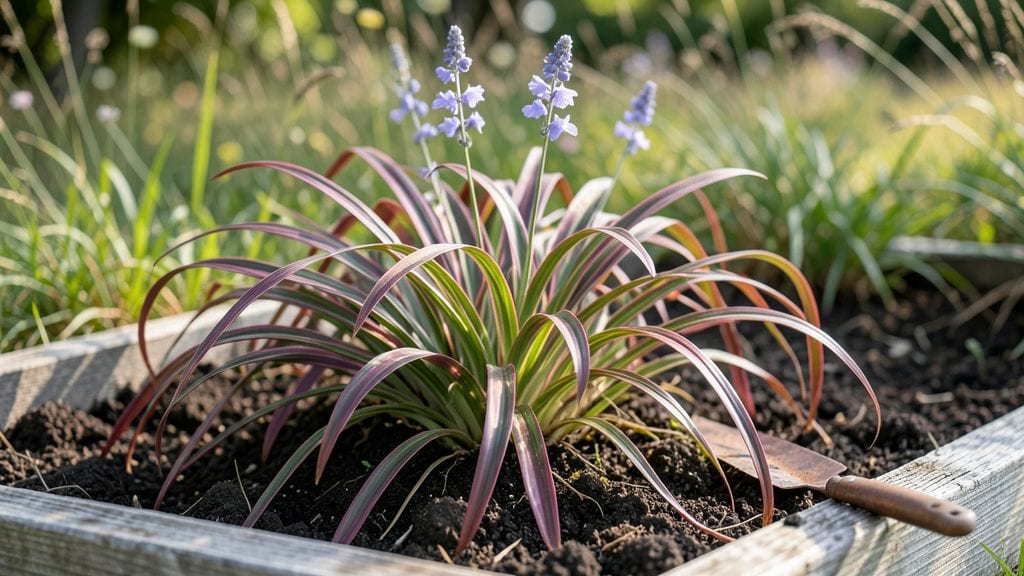
Spiderwort in gardens transforms ordinary borders into pollinator magnets with its bold, three-petaled blooms that dance from spring to frost. 🌸 I first fell for this plant when it turned a shady corner into a riot of purple and blue, attracting bees and butterflies like nothing else.
The secret lies in its adaptability—it thrives in sun or shade, spreads effortlessly, and keeps blooming when many perennials call it quits.
This isn’t just a pretty face—it’s a workhorse for garden design. Pair its deep blues and purples with silver foliage for striking contrast, or let it mingle with native wildflowers for a natural meadow look.
At 12-24 inches tall, it layers beautifully between taller perennials and low ground covers, creating movement and texture without overwhelming the space. The key? Plant in clusters of three or more to encourage continuous blooms all season.
What you’ll love most is how low-maintenance it is. Once established, spiderwort shrugs off drought, resists deer, and self-seeds minimally—meaning fewer chores and more enjoyment. The flowers start in late spring, peak in summer, and linger into fall, giving you three seasons of color with almost no effort.
It’s the kind of plant that makes gardening feel like magic instead of work.
Perfect for cottage gardens, wildflower meadows, or even containers on patios—just give it decent soil and a little elbow room. Let’s make your garden buzz with life (and color) all year long.
📚 In This Guide
- What you need
- Instructions
- Tips and common mistakes
- Wrapping up and next steps
What you need
- ● Spiderwort plants: 3–5 mature plants (for full coverage in a small bed) or 1 plant per 1–2 sq ft (for spacing)
- ● OR seeds (sow 3–4 seeds per spot, as germination can be slow)
- ● Well-draining soil: Amend with compost (2–3 inches mixed into the top 6–8 inches of soil)
- ● Organic mulch: 1–2 inches of shredded bark or straw to retain moisture and suppress weeds
- ● Watering can or hose: With a gentle spray nozzle (spiderwort dislikes soggy roots!)
- ○ Garden gloves: (Optional but helpful for handling soil and plants)
- ● Garden trowel: For digging small holes (2–3 inches deep for transplants)
- ● Pruners: Sharp, clean pair for trimming dead blooms or overgrowth
- ○ Stakes or cages: (Optional) For taller varieties to prevent flopping in wind
- ● Slow-release fertilizer: Balanced 10-10-10 or organic options like fish emulsion (apply sparingly in spring)
- ● Pollinator-friendly companions: Pair with coneflowers, bee balm, or black-eyed Susans for a thriving ecosystem!
Step-by-Step guide to planting and maintaining spiderwort in your garden
This bold perennial delivers vibrant blooms and attracts pollinators—here's how to establish it for years of effortless color.
🌱 Step 1: Choose the Perfect Planting Location
Spiderwort thrives in full sun to partial shade, making it versatile for most garden spots. I always select a location with at least 6 hours of direct sunlight daily—this ensures robust growth and continuous flowering. The plant tolerates a range of soil types but performs best in well-draining soil with a slightly acidic to neutral pH (6.0-7.0).
Observe your garden's microclimates: areas near fences or walls may stay cooler, while open spaces get intense midday sun. Spiderwort's deep roots help it survive dry spells, but morning sun with afternoon shade works well in hotter climates. If your soil feels heavy or clay-like, amend it with 2-3 inches of compost before planting to improve drainage.
🪴 Step 2: Plant Bare-Root Spiderwort Correctly
When planting bare-root spiderwort, soak the roots in lukewarm water for 1 hour before handling. This rehydrates them and reduces transplant shock. Dig a hole twice as wide and deep as the root ball, spacing plants 12-18 inches apart in rows 24 inches apart for optimal air circulation.
Place the plant so the crown (where roots meet stems) sits 1 inch below soil level. Backfill with native soil, pressing gently to eliminate air pockets. Water deeply until moisture reaches 6 inches down—you'll see the soil surface darken and small puddles form briefly. Mulch with 2 inches of organic mulch to retain moisture and suppress weeds, but keep it 2 inches away from the stems to prevent rot.
☀️ Step 3: Water and Fertilize for First-Year Establishment
Spiderwort establishes best with 1 inch of water weekly, but it's drought-tolerant once mature. For the first growing season, water deeply every 5-7 days until the plant reaches 12 inches tall. You'll know it's getting enough moisture when the leaves feel firm to the touch and the soil 1 inch below the surface stays slightly damp.
Apply a balanced, slow-release fertilizer (10-10-10) at planting time, then again in early spring. Avoid high-nitrogen fertilizers—they encourage leafy growth at the expense of flowers. I've found that spiderwort responds well to a light feeding of fish emulsion (5-5-5) in early summer to support blooming. Always water before and after fertilizing to prevent root burn.
✂️ Step 4: Prune and Maintain for Season-Long Blooms
Deadhead spent blooms by cutting back stems to the first set of healthy leaves after flowering. This encourages continuous blooming and prevents the plant from self-seeding excessively. Spiderwort often flops in late summer, so I stake taller varieties with 3-foot bamboo stakes inserted at planting time.
In early spring, trim back any dead or damaged foliage to 6 inches above ground level. This promotes fresh growth and prevents disease. Spiderwort spreads slowly via rhizomes, so divide clumps every 3-4 years in early spring to maintain vigor. Dig up the plant, separate the rhizomes, and replant the healthiest sections immediately.
🌿 Step 5: Overwinter and Protect for Next Season
Spiderwort is hardy in USDA zones 3-9, but young plants may need winter protection in colder climates. After the first hard frost, cut back the foliage to 2 inches above ground level and apply a 3-inch layer of mulch around the base. This insulates the roots and prevents heaving during freeze-thaw cycles.
In late winter, before new growth appears, remove the old mulch and check for signs of pests or disease. Spiderwort rarely suffers from major issues, but watch for aphids or spider mites on new shoots. A strong spray of neem oil resolves infestations quickly. Once temperatures stabilize above 50°F, resume regular watering and fertilizing to kickstart the growing season.
Tips & tricks for perfect spiderwort planting and maintenance
Spiderwort's vibrant blooms and pollinator appeal make it a garden standout—but only if you follow these key strategies for thriving plants.
Sunlight Strategy: In Step 1, when choosing your planting location, prioritize areas with at least 6 hours of direct sunlight for maximum flowering. Morning sun with afternoon shade works beautifully in hotter climates (zones 7-9), while full sun exposure yields the most abundant blooms. I've found that plants in partial shade still perform well but may produce fewer flowers—so if space allows, give them the full sun treatment for that pollinator powerhouse effect.
Root Preparation Secret: That 1-hour lukewarm water soak in Step 2 isn't just about hydration—it's about reducing transplant shock. I always use water around 70°F (just warm to the touch) to prevent temperature stress on the roots. For extra insurance, add a rooting hormone powder to the water before soaking. This simple step can mean the difference between a thriving plant and one that struggles to establish for months.
Watering Wisdom: The 1 inch weekly watering guideline in Step 3 applies to established plants, but young spiderwort needs more frequent attention. During the first growing season, water every 5-7 days until the plant reaches 12 inches tall, focusing on deep watering that reaches 6 inches down. A good test: stick your finger 1 inch below the surface—if it feels dry, it's time to water. This deep watering encourages strong root development that supports those vibrant blooms.
Fertilizer Timing: That 10-10-10 balanced fertilizer at planting time and early spring application in Step 3 is crucial, but timing matters just as much as the product. Apply it when you see new growth emerging in spring—this ensures the plant has energy to establish roots before putting energy into foliage. The fish emulsion (5-5-5) in early summer should go on after the first flush of blooms appears, giving the plant a gentle boost to support continuous flowering through the season.
Pro Tips for Spiderwort In Garden
- Spiderwort's vibrant blooms and pollinator appeal make it a garden standout—but only if you follow these key strategi...
- Sunlight Strategy: In Step 1, when choosing your planting location, prioritize areas with at least 6 hours of direct ...
- Root Preparation Secret: That 1-hour lukewarm water soak in Step 2 isn't just about hydration—it's about reducing tra...
Frequently asked questions
Got questions about growing spiderwort in your garden? You're not alone! Here are some of the most common queries—and their answers—to help you cultivate this vibrant, pollinator-friendly plant with confidence.
When is the best time to plant spiderwort?
Spiderwort thrives when planted in early spring or early fall, about 4–6 weeks before the last expected frost. This gives roots time to establish before summer heat. For container gardening, you can plant anytime the soil is workable—just keep it consistently moist until it’s well-rooted. Pro tip: If planting in late summer, water deeply to help it adjust to cooler temps!
Does spiderwort attract pests instead of pollinators?
Spiderwort is a pollinator magnet—but like all plants, it can draw occasional pests like aphids or spider mites. To keep things balanced, encourage beneficial insects like ladybugs and lacewings by planting companion flowers (e.g., marigolds or yarrow). If pests appear, a gentle spray of neem oil or a strong blast of water usually does the trick. Remember: A few pests won’t harm your spiderwort or its visitors!
How long does it take for spiderwort to bloom?
Once established, spiderwort typically blooms within 60–90 days of planting, often starting in late spring and continuing through summer. First-year plants may focus on foliage, but with proper care (sun, water, and well-draining soil), you’ll see those signature star-shaped flowers by mid-season. Fun fact: Deadheading spent blooms can extend the flowering period!
Can I grow spiderwort in containers or hanging baskets?
Spiderwort adapts well to containers, making it perfect for patios, balconies, or hanging baskets. Use a well-draining potting mix and a pot with drainage holes. For hanging baskets, choose trailing varieties like Tradescantia sillamontana. Just ensure it gets at least 4–6 hours of sunlight daily—and water more frequently in containers, as they dry out faster. Bonus: It’s great for vertical gardens too!
Why isn’t my spiderwort flowering?
If your spiderwort is putting out leaves but no blooms, it might be due to too much shade, over-fertilizing with nitrogen (which encourages foliage), or root-bound conditions. Try these fixes:
- Move it to a sunnier spot (6+ hours of light).
- Switch to a balanced fertilizer (like 10-10-10) or use compost.
- Repot if it’s crowded or divide clumps every 2–3 years.
Wrapping up and next steps
Incorporating spiderwort in your garden is a game-changer—it’s a low-maintenance, drought-tolerant beauty that packs a punch for pollinators while delivering vibrant blooms from spring to fall.
Whether you’re a seasoned gardener or just starting out, its versatility and resilience make it a must-have for adding color, life, and ecological value to your outdoor space.
Ready to transform your garden? Start small—pick a sunny spot, grab a few spiderwort plants (or seeds!), and watch your pollinator paradise bloom. Your green thumb—and the bees—will thank you! 🌸🐝