Landscaping
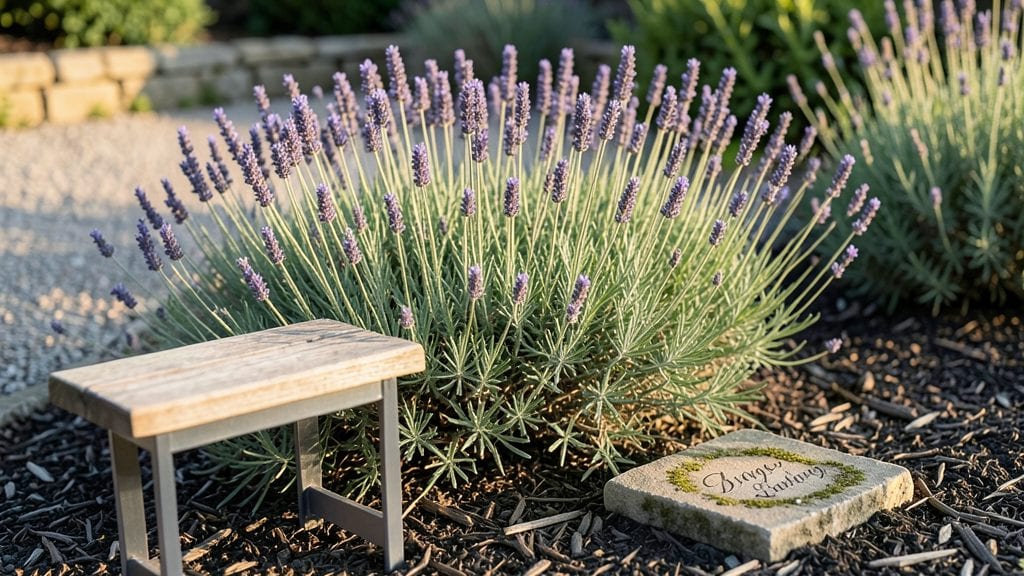
Creating a memorial garden that truly honors a loved one starts with a design that feels personal yet peaceful. 🌿 I’ve designed three memorial gardens, each reflecting the unique spirit of the person being remembered—whether through fragrant roses, quiet stone benches, or native plants that thrive year-round.
The key is blending meaningful elements with natural beauty so the space feels alive, not just still.
The foundation of any meaningful memorial garden is simple yet intentional: choose plants that carried special meaning in their life, like their favorite flowers or trees they loved. Add durable materials—like engraved stones, weathered wood, or hand-painted tiles—that can stand for decades, telling their story even as seasons change.
A winding pathway or a secluded bench invites quiet reflection, making the garden a place to visit and remember.
What you’ll end up with is a living tribute that grows more beautiful—and meaningful—over time. The scent of blooms in spring, the rustling leaves in autumn, or the quiet shade of summer all become part of the legacy you’re creating.
This isn’t just a garden; it’s a place where love lingers, and memories can flourish.
Whether you’re working with a small urban space or a sprawling backyard, the principles stay the same: honor their story, embrace their favorite elements, and let nature weave its own quiet magic. Here’s how to bring it all together thoughtfully.
📚 In This Guide
- What you need
- Instructions
- Tips and common mistakes
- Wrapping up and next steps
What you need
- ● Soil & Mulch: Topsoil (2–4 cubic yards, depending on garden size)
- ● Organic mulch (cedar or pine, 1–2 bags)
- ● Plants & Flowers: Perennials (e.g., lavender, roses, or coneflowers—5–10 plants)
- ● Evergreens (e.g., boxwood or juniper—3–5 shrubs for structure)
- ● Native plants (3–5 varieties for low maintenance)
- ● Hardscaping: Gravel or decomposed granite (1–2 tons, for pathways)
- ● Flagstones or pavers (10–20 pieces, for borders or seating)
- ● Bench or memorial plaque (1–2 units, customizable)
- ○ Water Features (Optional but Impactful): Small fountain or birdbath (1 unit)
- ● Garden hose with spray nozzle (for maintenance)
- ● Shovel and spade (1 each)
- ● Garden trowel (2–3 for precision planting)
- ● Wheelbarrow (1, for hauling materials)
- ● Pruners and shears (1 each)
- ● Level and measuring tape (1 each)
- ● Garden gloves (2 pairs, for comfort)
- ● String line and stakes (for layout planning)
- ● Solar-powered garden lights (3–5 units)
- ● Wind chimes or gentle bells (1 set)
- ● Personalized garden art (e.g., engraved stones or metal plaques)
- ● Butterfly or hummingbird feeders (1–2, to invite wildlife)
- ● Seasonal decorations (e.g., lanterns or wreaths for holidays)
Step-by-Step instructions for designing a memorial garden
Creating a peaceful tribute takes intention and heart—here's how to craft a space that feels personal and enduring.
🌱 Step 1: Choose a Meaningful Location
Select a spot that holds significance—perhaps where they loved to sit, near a window they enjoyed, or under a tree they cherished. Sunlight matters too: 6+ hours of sun suits most memorial plants, while partial shade works for delicate flowers. I always check the site at different times of day to see how light shifts—morning sun casts long shadows, while afternoon light can be harsh.
Consider the view from the garden. Will it frame a favorite landscape, their home, or a cherished path? Sketch a rough outline of the space, marking natural features like trees or rocks that could become focal points. This isn't about perfection—it's about what feels right to you.
🪴 Step 2: Select Plants with Personal Symbolism
Plants carry deep meaning—roses for love, lavender for calm, sunflowers for joy, or white flowers for purity. I like to include at least one plant that reminds me of them: maybe their favorite color, a flower they grew, or a plant that thrives in the same conditions as their spirit. For example, evergreens symbolize enduring love, while wildflowers represent freedom.
Choose a mix of heights and textures: tall ornamental grasses for movement, shrubs for structure, and low-growing perennials for softness. Group plants by their care needs—drought-tolerant varieties like sedum or yarrow reduce maintenance, while water-loving plants like hostas or astilbes need consistent moisture. A good rule: 3-5 plants per group creates a natural, balanced look.
☀️ Step 3: Create a Focal Point
A focal point anchors the garden and gives visitors a place to reflect. This could be a stone bench where they loved to sit, a small fountain for soothing water sounds, or a simple wooden plaque with their name and dates. I once designed a memorial garden with a sun dial—it cast a shadow that moved throughout the day, symbolizing the passage of time.
If you're adding plants as a focal point, choose one standout specimen: a weeping cherry tree, a climbing rose, or a unique succulent. Place it where it will be seen immediately upon entering the space. Surround it with mulch to keep weeds down and retain moisture—2-3 inches is ideal. This layer also adds a polished, intentional look to the bed.
✂️ Step 4: Add Thoughtful Pathways and Seating
Paths invite visitors to wander and reflect. Use stepping stones for a rustic feel or gravel for a modern touch—both allow rainwater to drain easily. I like to curve pathways slightly; it feels more natural and encourages a slower pace. Mark the path with low-growing plants like creeping thyme or moss to blend it into the landscape.
Include seating where someone can sit quietly—a simple bench, a stone slab, or even a tree stump. Place it where they can enjoy the view but still feel enclosed, like a cozy corner. If space is limited, a foldable chair tucked under a tree works beautifully. Add a small table nearby for candles, photos, or offerings like flowers or notes.
💧 Step 5: Maintain the Garden as a Living Tribute
A memorial garden thrives with care, but it shouldn’t feel like a chore. Water deeply but infrequently—once a week in dry spells, less in rain—to encourage strong roots. I set a reminder on my phone for the first year to ensure consistency. Prune regularly to keep plants healthy: trim back dead or overgrown branches in early spring, and shape shrubs lightly after they bloom.
Seasonal updates keep the garden fresh. In spring, add bulbs like daffodils or tulips for early color. In fall, incorporate chrysanthemums or mums for warmth. Leave seed heads on some plants in winter—they add texture and feed birds. The garden evolves, just like memories do, and that’s part of its beauty.
Tips & tricks for perfect memorial garden design
Here's what I've learned after creating gardens that truly honor loved ones—small details that make all the difference.
Location Insight: When choosing your spot in Step 1, consider the emotional journey. I always visit the location at different times of day to observe how light and shadows change. Morning light creates soft, gentle illumination perfect for reflection, while afternoon sun can be more vibrant—ideal if you want a space that feels lively. Also, check how wind patterns move through the area; you'll want seating areas protected from strong breezes while still allowing fresh air circulation.
Plant Selection Strategy: In Step 2, I recommend creating a "memory map" before purchasing plants. Write down specific memories tied to each person—like their favorite color or a flower they loved—and match those with symbolic plants. For example, if they adored sunflowers, include them even if they're not traditionally "memorial" flowers. The key is personalization: a plant that reminds you of them will always feel more meaningful than one chosen purely for symbolism.
Focal Point Enhancement: For Step 3, consider adding subtle sensory elements to your focal point. A small wind chime near a seating area can create soothing sounds, while fragrant plants like lavender or jasmine add layers of memory through scent. I once added a solar-powered LED candle to a memorial garden—it glows softly at dusk, creating a peaceful ambiance without needing electricity. These small touches transform a beautiful garden into a truly immersive experience.
Pathway Design Tip: When planning pathways in Step 4, think about the emotional flow. Create a gentle curve that naturally leads visitors through the garden, encouraging them to pause at key points. I recommend using natural materials like flagstone or decomposed granite, which blend seamlessly with the landscape. For a personal touch, consider engraving initials or short messages along the path edges—these become hidden discoveries that add emotional depth over time.
Pro Tips for Memorial Garden Design
- Here's what I've learned after creating gardens that truly honor loved ones—small details that make all the difference.
- Location Insight: When choosing your spot in Step 1, consider the emotional journey. I always visit the location at d...
- Plant Selection Strategy: In Step 2, I recommend creating a "memory map" before purchasing plants. Write down specifi...
Frequently asked questions
Got questions about creating a memorial garden? Here are some of the most common concerns—and their answers—to help you get started on your meaningful project.
How do I choose plants that symbolize my loved one’s personality?
Select plants based on their meaning or appearance. For example, roses symbolize love, lavender represents devotion, and sunflowers stand for adoration. Consider your loved one’s favorite colors or hobbies—like herbs for a gardener or vibrant blooms for an artist. Research native plants too; they’re low-maintenance and support local ecosystems.
How long does it typically take to design and plant a memorial garden?
Timing varies! A simple garden with pre-selected plants can be ready in 1–2 weeks, while a custom design with hardscaping (like benches or pathways) may take 2–4 months. Factor in weather delays, soil prep, and plant availability. Start small if needed—you can always expand later.
What’s a budget-friendly way to create a meaningful memorial garden?
Skip expensive materials by using natural elements like stones, driftwood, or recycled bricks for borders. Opt for perennials (they return yearly) over annuals, and propagate plants from cuttings to save costs. DIY elements like hand-painted signs or family photos in frames add personal touches without breaking the bank.
How do I maintain a memorial garden in different climates?
Drought-resistant plants (e.g., succulents, ornamental grasses) thrive in arid regions, while hostas or ferns prefer shade and moisture. In cold climates, use evergreens or winter-hardy shrubs for year-round interest. Mulch helps retain moisture and regulate soil temperature. Adjust watering based on seasonal needs—overwatering can harm roots!
Can I turn an existing garden into a memorial space?
Start by clearing out plants that don’t hold meaning, then add symbolic elements like a memorial bench, engraved stone, or dedicated flowerbed. Incorporate your loved one’s favorite colors or textures—even repurposed items (like a vintage teacup as a planter) can honor their memory. It’s a beautiful way to blend tradition with tribute.
Wrapping up and next steps
Designing a memorial garden is a deeply personal way to honor loved ones while creating a serene, healing space. Whether you choose native plants, meaningful pathways, or symbolic elements, every detail reflects care and memory.
Let this guide inspire you—your garden will not only stand as a tribute but also as a place of peace for years to come.
Ready to start? Sketch your vision today—or reach out to a local landscaper for expert help. Your loved one’s legacy deserves a space as beautiful as their spirit. 🌿✨