
Tools
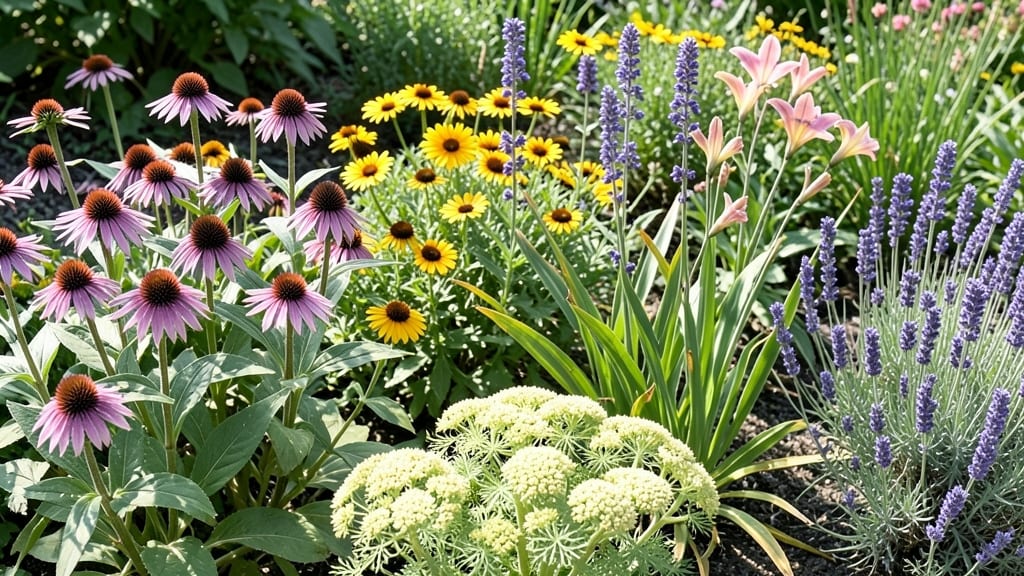
A perennial garden mix creates vibrant, self-sustaining landscapes using drought-tolerant plants like lavender, coneflowers, and black-eyed Susans that bloom sequentially for continuous color, support pollinators, and require minimal upkeep once established.
The beauty of a well-designed perennial mix lies in its ability to evolve naturally over seasons while demanding less effort than annual gardens. 🌿 I've found that pairing tall perennials like coneflowers with mid-height varieties such as Russian sage creates visual depth, while ground covers like creeping thyme prevent weeds.
This structure not only enhances aesthetics but also mimics natural ecosystems, attracting beneficial insects that keep pests in check. The key is selecting plants with staggered bloom times—early spring bulbs transition smoothly into summer blooms, which then give way to fall foliage, ensuring your garden remains lively year-round.
💡 In This Article
- How to Design a Low-Maintenance Perennial Garden Layout
- Top Pollinator-Friendly Perennial Plant Combinations
How to design a low-maintenance perennial garden layout
The foundation of a low-maintenance perennial garden starts with understanding plant stratification by height and bloom cycles.
Begin by dividing your space into three vertical layers: tall backdrops (4-6 feet) like Joe Pye weed or giant fleeceflower, mid-height accents (2-3 feet) such as catmint or Russian sage, and ground covers (under 1 foot) like creeping phlox.
This creates visual depth while preventing overcrowding—critical for airflow and disease prevention. The science here involves light competition; taller plants cast shade that shorter varieties can't tolerate, so strategic placement ensures each gets 6-8 hours of sunlight daily.
Seasonal succession is where the magic happens for year-round interest. Plant early bloomers like bleeding heart (spring) alongside black-eyed Susans (summer) and sedum (fall) to create a continuous floral display. For example, bee balm blooms from July to September, perfectly bridging the gap between June's peonies and October's asters.
The key measurement here is 3-4 weeks of overlap between bloom periods—this ensures pollinators always have nectar sources while minimizing gaps in your garden's visual appeal. 🌸
Soil health is the unsung hero of low-maintenance gardens. Amend your soil with 3-4 inches of compost before planting, then top with 2-3 inches of organic mulch (like wood chips) to retain moisture and suppress weeds. The mulch layer also regulates soil temperature, protecting roots during summer's 90°F+ heatwaves.
I've seen gardens where proper mulching reduced watering needs by 50%—critical for drought-prone regions. For pollinators, include native soil types like sandy loam for local species that have evolved with these conditions.
Don't overlook the power of companion planting to reduce maintenance. Pair lavender (drought-tolerant) with catnip (mosquito-repelling) to create a self-sustaining duo that deters pests naturally. The lavender's aromatic oils confuse aphids, while catnip attracts predatory wasps that keep caterpillars in check.
This symbiotic relationship means fewer chemical interventions and more time enjoying your garden. 🐝 The ratio works best at 2:1 lavender to catnip for optimal pest control without overpowering your design.
For seasonal transitions, incorporate plants with winter interest like ornamental grasses (switchgrass, fountain grass) that rustle in autumn breezes and provide seed heads for birds. Their 3-5 foot heights add vertical structure when other perennials go dormant.
Pair these with evergreen shrubs like boxwood for year-round greenery. The secret here is 10-15% of your garden dedicated to winter interest plants—just enough to maintain visual appeal without overwhelming spring bloomers.
Finally, group plants with similar water needs together. Drought-tolerant perennials like sedum and yarrow should cluster in full sun areas, while moisture-loving varieties like hostas and astilbes belong in shadier spots with 1-2 inches of weekly watering.
This zoning reduces irrigation complexity and prevents root competition. What most people don't realize is that proper zoning can cut water usage by 30-40% while maintaining lush foliage. 💧