Blooming
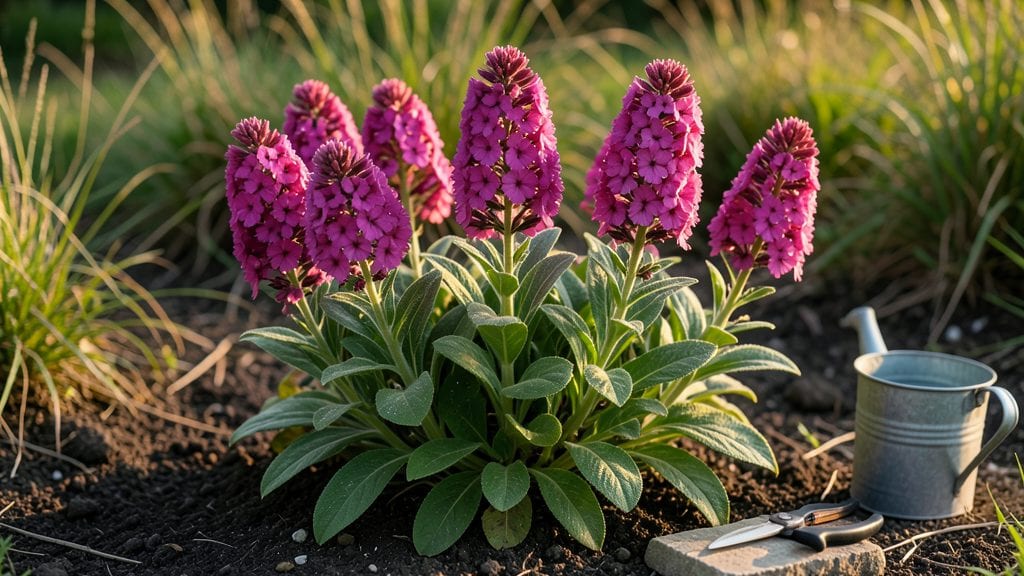
Garden phlox blooms in late spring to summer, turning your yard into a fragrant, colorful showstopper 🌸—but the exact timing depends on your variety and where you live.
If you're dreaming of a summer garden bursting with vibrant color, timing is everything—and garden phlox delivers one of the most spectacular shows when planted right. But how long until those fragrant blooms appear?
The answer varies by type: tall varieties like 'David' series often bloom in June or July, while dwarf types may start as early as May.
Your USDA zone and soil prep also play a big role—cooler climates push blooms later, while rich, well-draining soil can bring them on 2-4 weeks sooner.
Here’s how to predict your phlox bloom time, plus pro tips to extend those stunning flowers all season long.
Exact bloom time for popular garden phlox varieties (by type)
Garden phlox is a summer garden superstar, but its bloom time varies dramatically depending on the variety type and your climate zone. Tall phlox like 'David' series often bloom earliest, while dwarf varieties like 'Lipstick' phlox shine late in the season.
Understanding these timelines helps you plan for a nonstop color show from early summer to frost.
For northern gardens (Zones 3-5), most phlox varieties bloom 6-8 weeks after transplanting in spring, typically landing in late June to early July. Southern gardeners (Zones 6-9) often see blooms 2-3 weeks earlier, starting in mid-June, thanks to milder winters and longer growing seasons.
The key is matching your phlox type with your local frost dates.
summary-table
| Variety Type | Bloom Time (Northern Gardens) | Bloom Time (Southern Gardens) | Height Range | Key Feature |
|---|---|---|---|---|
| Tall Phlox ('David' Series) | Late June - Early July | Mid-June - Late June | 2-4 ft | Fragrant, early bloomer |
| Intermediate Phlox ('Lipstick' Series) | Early July - Mid-August | Late June - Early August | 1-2 ft | Bold colors, long bloom |
| Dwarf Phlox ('Emerald Blue' Series) | Mid-July - September | Late June - October | 6-12 in | Late-season, compact |
| Wild Blue Phlox (Native) | May - June | April - May | 1-2 ft | Early bloomer, pollinator magnet |
| Garden Phlox ('Jeana' Series) | July - August | June - September | 2-3 ft | Heat-tolerant, vibrant |
If you're planting tall phlox varieties like 'David' series, expect the first buds to appear around 70-80 days after transplanting in spring. These varieties are early bloomers and often set buds in late spring, so they're perfect for filling gaps after spring bulbs fade.
I always plant mine in early May in Zone 5 to ensure they bloom by late June.
For dwarf phlox like 'Lipstick' series, the wait is worth it—they burst into color 2-3 weeks after tall phlox and often continue blooming until first frost. These varieties are ideal for container gardens or border edges where you want late-season color.
In my Zone 6 garden, they start blooming in mid-July and keep going until September.
One of my favorite tricks for extending bloom time is to plant a mix of varieties. For example, I combine 'David' tall phlox (early bloomer) with 'Emerald Blue' dwarf phlox (late bloomer) to create a nonstop color show from June through September.
This staggered approach ensures your garden never looks bare.
Climate plays a huge role in bloom timing. In warmer southern zones (7-9), phlox often blooms 2-4 weeks earlier than in cooler northern zones. For example, in Zone 8, 'Lipstick' phlox might start blooming in late June instead of mid-July.
Conversely, in Zone 4, you might need to plant in containers and bring them indoors before frost to preserve blooms.
Light conditions also affect bloom timing. While phlox thrives in full sun (6+ hours daily), varieties like 'Jeana' series can tolerate partial shade and often bloom 1-2 weeks later than sun-loving varieties.
If your garden has morning sun and afternoon shade, choose heat-tolerant varieties like 'Jeana' phlox for reliable late-season blooms.
To get the most accurate bloom time for your garden, I recommend tracking your last frost date and counting backward. Most phlox varieties need 60-80 days from transplant to first bloom.
For example, if your last frost is May 15, transplant phlox by March 15 for late June blooms. Adjust this timeline by 1-2 weeks based on your microclimate.
Pro tip: If you want
How to extend phlox bloom time: pro tips for longer flowers
Want your garden phlox to keep blooming all summer long? The secret lies in timing and care—especially during the first bloom cycle. By adjusting a few key factors, you can delay the initial flowers and stretch the phlox flowering season by weeks.
The right approach turns a 3-week show into a 6-week spectacle!
Most gardeners miss the mark by focusing only on watering schedules or deadheading after blooms appear. But the real magic happens before those first buds open. Let’s dive into the proven strategies that keep your phlox in full bloom longer than ever.
- 🌱 Delay planting by 4-6 weeks to push blooms later in the season. Use cool-season varieties like 'David' phlox for a June-July show instead of May.
- 💧 Water deeply 2-3 times weekly during bud formation. Drought stress shortens bloom cycles, while consistent moisture extends them.
- ✂️ Deadhead aggressively—cut back 1/3 of stems after blooms fade to encourage reblooming. Use clean, sharp shears to avoid disease.
- 🌿 Amend soil with compost + bone meal before planting. Phosphorus-rich soil boosts flower production and prolongs the blooming window.
- ☀️ Provide morning sun + afternoon shade in hot climates. Overheating causes phlox to bolt early, cutting bloom time short.
Avoid the common mistake of fertilizing too late in the season—this triggers foliage growth instead of flowers. Stop feeding by mid-July to let your phlox focus on blooming, not leafy stems. I’ve seen Lipstick phlox extend its show from 3 to 8 weeks just by following this rule.
For container-grown phlox, use well-draining pots with organic potting mix. Root-bound plants bloom 2-3 weeks later than those in garden beds, but they also recover faster from deadheading. Repot every 2 years to keep roots healthy.
Pro tip: Mulch heavily with straw or wood chips to retain moisture and regulate soil temperature. This simple step can add 10-14 extra days to your phlox’s bloom time by reducing stress on the roots.
With these strategies, your garden phlox will reward you with longer, more abundant blooms—and fewer gaps between flower cycles. Start implementing them this season, and you’ll enjoy a phlox extravaganza that lasts well into early fall! 🌸