Blooming
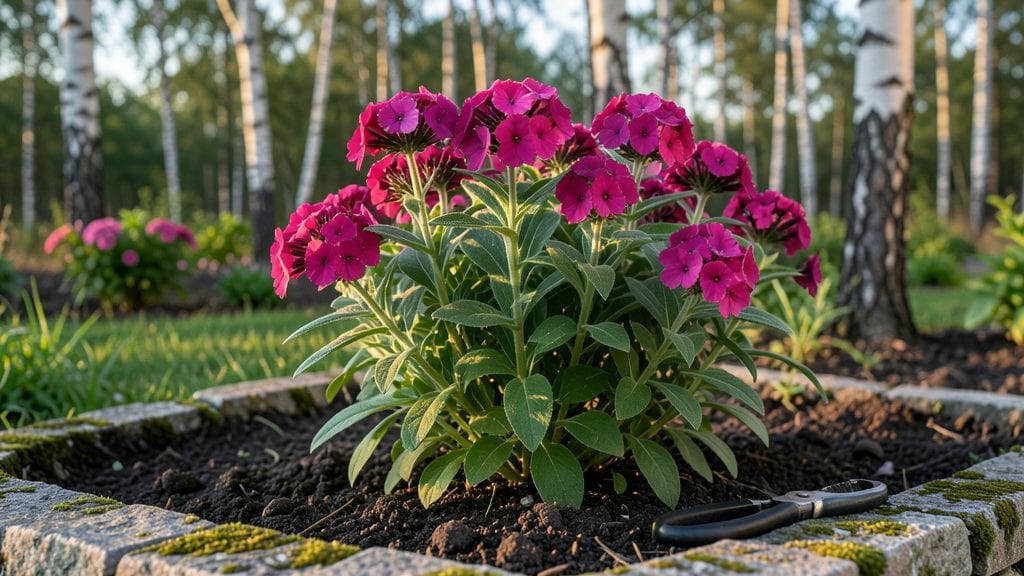
Garden phlox bloom in late spring to early summer, turning your garden into a fragrant, colorful masterpiece 🌸 — but the exact timing depends on where you live and which variety you choose.
If you're dreaming of a garden bursting with vibrant summer blooms, garden phlox could be your secret weapon—but timing is everything. These flowers don’t just appear overnight; they need the right conditions to thrive and show off their best colors.
In most regions, including USDA Zone 6a, garden phlox typically start blooming in June and continue through July, with some late varieties lasting into August. The key to getting the most out of them is understanding how climate, soil, and care can shift their bloom window.
Discover how to encourage longer blooms, choose the right varieties for your area, and pair them with companion plants that make your garden shine all season long.
Garden phlox blooming timeline: month-by-month flowering guide
Garden phlox is one of the most beloved summer-blooming perennials, offering clusters of fragrant flowers that attract pollinators. But knowing when garden phlox bloom depends heavily on your USDA hardiness zone and the specific variety you choose.
Early bloomers may start as soon as June, while late-season types can extend color into September. Let’s break down the blooming timeline so you can plan your garden for maximum impact.
Most garden phlox varieties follow a predictable blooming cycle that begins with bud formation in late spring. Peak bloom typically occurs in July and August, with some varieties lingering into early fall. Understanding these stages helps you time planting, fertilizing, and deadheading for the longest possible display.
Whether you’re in Zone 4 or Zone 8, this guide ensures you won’t miss a single bloom.
Visual cues like bud tightness and flower color shifts are key to predicting bloom times. For example, buds that appear greenish-purple are often close to opening, while fully open flowers signal peak bloom. Below, you’ll find a month-by-month breakdown tailored to your region, so you can anticipate each stage with confidence.
🌸
In cooler zones (3-4), garden phlox often starts its show a bit later due to slower spring warming. If you’re in Zone 3 or 4, consider planting early-blooming varieties like ‘David’ or ‘Blue Paradise’ to capitalize on the shorter growing season.
These types begin forming buds as early as late May, giving you a jumpstart on summer color.
For gardeners in Zones 5-6, the classic July-August bloom is the highlight of the summer garden. This is when phlox truly shines, with clusters of pink, purple, and white flowers drawing in bees and butterflies.
To extend this display, I recommend deadheading spent blooms every 7-10 days—this encourages new flower production and keeps your phlox looking fresh.
In warmer climates like Zones 7-10, garden phlox often blooms earlier and stays in flower longer. Some varieties, like ‘Lipstick’ phlox, can even produce a second flush of blooms in fall if given proper care.
If you’re in these zones, take advantage of the extended season by planting a mix of early, mid, and late-season varieties for continuous color from June through October.
One of the most exciting aspects of growing garden phlox is watching the color progression from bud to bloom. Early buds are often greenish-purple or pink-tinged, gradually deepening into vibrant hues as they open.
Peak blooms are when the flowers are fully open and fragrant, making them perfect for cutting or enjoying in the garden. As they fade, the color may dull slightly, signaling it’s time to deadhead for a tidy look.
To maximize your phlox’s blooming potential, pay attention to soil health and watering schedules. Phlox thrives in well-draining, slightly acidic soil with a pH between 6.0 and 7.0. Amending your soil with compost before planting sets the stage for strong root development, which directly impacts bloom production.
During the growing season, aim to water deeply once a week, ensuring the soil stays moist but not waterlogged.
If you notice your phlox producing fewer blooms than expected, it might be time to fertilize lightly with a balanced 10-10-10 formula in early spring. Avoid over-fertilizing, as this can lead to leafy growth at the expense of flowers.
Instead, focus on providing consistent moisture and full sun to partial shade—these are the keys to a phlox that bursts into bloom year after year.
🌿
How to extend phlox blooming season with simple gardening hacks
Garden phlox typically bursts into bloom between mid-June and early August, but with the right care, you can coax those fragrant clusters to last well into late September. The key lies in understanding their natural blooming cycle and how small adjustments can make a big difference.
Most varieties follow a 4-6 week bloom window, but extended-care techniques can double that time—sometimes even tripling it in ideal conditions.
Phlox flowers naturally produce buds in late spring, with peak blooming occurring when days are long and temperatures are warm. However, stress factors like inconsistent watering, poor soil nutrition, or lack of deadheading can shorten their display.
The good news? With just a few simple gardening hacks, you can transform a 4-week show into a 10-week spectacle. Let’s explore the most effective methods to keep your phlox blooming longer.
Here’s a quick comparison of traditional vs. extended-bloom phlox varieties to help you choose the right plants for a longer season:
Traditional Phlox Varieties
Extended-Bloom Phlox Varieties
One of the easiest ways to extend your phlox’s bloom time is through deadheading. This simple task involves removing spent flowers by snipping just above the next set of leaves or buds.
I like to do this every 3-5 days during peak bloom to redirect the plant’s energy into producing new flowers instead of seeds. For tall varieties, use clean pruners, while dwarf phlox can be pinched by hand—just be gentle to avoid damaging the stems.
Soil health plays a huge role in how long your phlox will bloom. Before planting, amend your soil with compost or well-rotted manure to improve drainage and nutrient retention. Phlox thrives in slightly acidic to neutral soil (pH 6.0-7.0).
If your soil is too alkaline, mix in peat moss or sulfur to lower the pH. During the growing season, feed your phlox with a balanced fertilizer (10-10-10) every 4-6 weeks to keep them vigorous. Avoid high-nitrogen fertilizers, as they encourage leafy growth at the expense of flowers.
Watering is another critical factor. Phlox needs consistent moisture, especially during bud formation and peak bloom. Water deeply once a week in cooler months, but increase to every 2-3 days during hot, dry spells.
Always water at the base of the plant in the morning to prevent fungal diseases like powdery mildew, which can weaken phlox and shorten their bloom time. A 2-3 inch layer of mulch around the base helps retain moisture and keeps roots cool.
Finally, strategic companion planting can boost your phlox’s performance. Pair them with low-growing perennials like catmint or lavender, which repel pests and attract pollinators. Avoid planting near competitive species like daylilies, which can crowd out phlox.
For a longer bloom season, interplant early-blooming varieties like Phlox paniculata 'Early Call' (June) with late-season types like Phlox paniculata 'Lipstick' (August-September). This creates a staggered display that keeps your garden vibrant from early summer to fall.