Picking
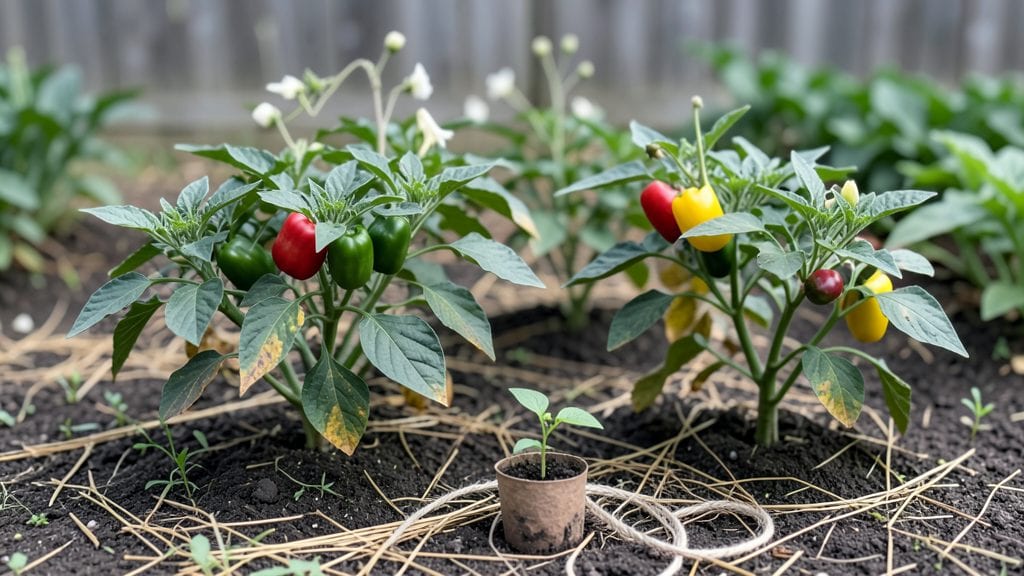
Square foot gardening turns peppers into a high-yield, space-saving powerhouse—perfect for balconies or tiny backyards. 🌱 I’ve grown bell peppers, jalapeños, and cayennes in just 1 square foot using this method, and the results never disappoint.
The secret lies in planting density, companion pairings, and a few simple layout tweaks that make every inch count.
You’ll need a raised bed or grid system, high-quality potting mix, and pepper varieties suited for close quarters. Most peppers thrive in 4 plants per square foot, but bushier types like banana peppers can squeeze in 9 plants in the same space.
Pair them with basil or marigolds to deter pests while maximizing vertical growth.
By mid-summer, you’ll harvest vibrant, productive peppers without sacrificing plant health. The key is consistent watering, proper spacing, and pruning to encourage airflow—no overcrowding means fewer diseases and bigger yields. This method works for any pepper type, from sweet bells to fiery habaneros.
Even urban gardeners with just a windowsill can adapt this system using containers. The beauty of square foot gardening is its flexibility—whether you’re growing in a grid or scattered pots, the principles stay the same. Let’s get those peppers thriving in record time!
📚 In This Guide
- What you need
- Instructions
- Tips and common mistakes
- Wrapping up and next steps
What you need
- ● Square Foot Garden Grid: Pre-made or DIY (4’x4’ frame, divided into 16 squares per section). Tip: Use cedar or treated lumber for durability.
- ● Growing Medium: 1 cubic yard of high-quality potting mix (e.g., FoxFarm Ocean Forest or Mel’s Mix).
- ● 1 part peat moss or coconut coir (for moisture retention).
- ● 1 part compost (homemade or store-bought).
- ● 1 part perlite or vermiculite (for aeration).
- ● Peppers: 1–4 plants per square foot (depending on variety). Choose compact varieties like Jalapeño, Shishito, or Thai Chili for SFG.
- ● Fertilizer: Slow-release organic fertilizer (e.g., 5-5-5 or 3-4-6) or compost tea for feeding.
- ● Watering System: Drip irrigation kit or a watering can with a spout (for precision).
- ● Mulch (straw or shredded leaves) to retain moisture.
- ○ Support Structures (Optional but Helpful): Small stakes or cages for taller varieties (e.g., Bell Peppers).
- ● Trellis netting for climbing peppers (e.g., Pepper ‘Black Pearl’).
- ● Soil pH Test Kit: Peppers thrive in 6.0–6.8 pH. Adjust with lime (to raise) or sulfur (to lower).
- ● Row Cover or Shade Cloth: Protects seedlings from pests and extreme heat.
- ● Pruning Shears: For trimming leggy growth or removing damaged leaves.
- ● Garden Gloves: Protects hands from thorns and soil-borne pathogens.
- ● Harvest Basket or Clipper: A small pair of scissors ensures clean cuts for regrowth.
Step-by-step instructions for square foot pepper gardening
Here’s how to transform a tiny 1-foot square into a pepper powerhouse—no wasted space, no crowded plants.
🪴 Step 1: Divide and Prepare the Square Foot Grid
Use a 12-inch square grid (or divide a larger bed) and mark it with string or stakes. Peppers need 4 plants per square foot—that’s 1 plant per 6-inch cell. I draw diagonal lines to create 16 equal triangles, but a simple 4x4 grid works too. The key is precision: uneven spacing leads to overcrowding and poor airflow.
Fill the square with 2-3 inches of compost mixed into the topsoil. Peppers are heavy feeders, so I blend in 1 cup of 5-10-10 fertilizer per square foot at planting. Work it in gently—don’t compact the soil. A fluffy, aerated bed ensures roots spread quickly without suffocating.
🌱 Step 2: Plant Peppers at the Right Spacing and Depth
Dig 1-inch deep holes at each grid intersection, spacing them 6 inches apart. Place seedlings carefully, ensuring the soil line sits just below the pot’s rim—peppers hate buried stems. Gently press the soil around the base to eliminate air pockets, but don’t pack it down. You’ll see roots struggle if the soil feels dense.
Water immediately after planting to settle the soil and remove any air gaps. Use a watering wand to avoid disturbing the roots. If transplanting from pots, I soak the roots first to reduce shock. Peppers are sensitive to root damage, so handle them like fragile glass—no rough tugging.
☀️ Step 3: Provide Consistent Light and Heat
Peppers thrive in full sun (6-8 hours daily), but they also need warmth. In cooler climates, I use black plastic mulch to raise soil temps by 5-10°F. Lay it down before planting—it also suppresses weeds and retains moisture. If your square gets afternoon shade, opt for shorter varieties like ‘Lunchbox’ or ‘Shishito.’
Watch for signs of stress: yellowing leaves or stunted growth often mean insufficient light. Move the square closer to a sunny wall or supplement with a grow light if indoors. Peppers grown in low light produce smaller, bitter fruits—so prioritize that southern exposure.
💧 Step 4: Water Deeply and Mulch to Retain Moisture
Water peppers at the base 1 inch per week, letting the top inch of soil dry between sessions. Overhead watering spreads disease, so I use a drip irrigation line or soaker hose. Mulch with 2 inches of straw or shredded leaves to lock in moisture and keep roots cool. You’ll notice fewer blossom-end rot issues once the soil stays evenly moist.
Peppers are drought-sensitive, but soggy soil causes root rot just as fast. Stick your finger in the soil—if it’s dry past your first knuckle, it’s time to water. In heatwaves, I water twice weekly, but always in the morning to prevent fungal growth.
✂️ Step 5: Prune and Support for Maximum Yield
Pinch off the first few flowers to encourage bushier growth—this gives peppers more energy to produce larger, healthier fruit later. I also remove any suckers (side shoots) that form in the leaf axils, directing energy to the main stem. Leave 2-3 main branches per plant for airflow and sunlight penetration.
Stake or cage each pepper plant as soon as it reaches 6 inches tall. Without support, heavy fruit loads snap stems. I use 5-foot bamboo stakes tied loosely with twine—tight ties strangle the stem as it thickens. Harvest regularly to prevent overburdening; peppers ripen fastest when picked at 70-80% maturity.
Tips & tricks for perfect square foot pepper gardening
Square foot gardening with peppers is all about precision—here’s how to maximize your tiny space and avoid the pitfalls that turn promising starts into disappointing yields.
Grid Precision Matters: When creating your 12-inch square grid, use a string line and stakes for perfectly straight lines. I’ve ruined multiple squares by eyeballing it—uneven spacing means crowded plants, poor airflow, and more disease. For extra accuracy, use a metal ruler to verify each 6-inch cell before planting. The time spent here pays off with healthier plants and bigger peppers.
Soil Preparation is Non-Negotiable: That 2-3 inches of compost isn’t just filler—it’s the foundation for your peppers’ success. I blend in 1 cup of 5-10-10 fertilizer per square foot because peppers are heavy feeders, but here’s the secret: don’t compact the soil. Use your fingers to gently work it in, creating a fluffy texture that encourages root growth. Compacted soil suffocates roots and leads to stunted plants.
Light and Heat Management: The 6-8 hours of full sun requirement is non-negotiable, but the 5-10°F temperature boost from black plastic mulch makes all the difference in cooler climates. Lay it down before planting—it warms the soil faster and suppresses weeds. Pro tip: If your square gets afternoon shade, choose compact varieties like ‘Lunchbox’ or ‘Shishito’ rather than tall bell peppers. You’ll notice the difference in fruit size and productivity.
Watering Wisdom: That 1-inch weekly watering guideline assumes average conditions, but heatwaves change everything. In extreme heat, I water twice weekly but always in the morning to prevent fungal growth. The key is checking soil moisture—stick your finger in; if it’s dry past your first knuckle, it’s time to water. Overhead watering spreads disease, so I use a soaker hose to deliver water directly to the base where roots need it most.
Pro Tips for Peppers Square Foot Gardening
- Square foot gardening with peppers is all about precision—here’s how to maximize your tiny space and avoid the pitfalls that turn promising starts into disappointing yields.
- Grid Precision Matters: When creating your 12-inch square grid, use a string line and stakes for perfectly straight lines.
- Soil Preparation is Non-Negotiable: That 2-3 inches of compost isn’t just filler—it’s the foundation for your peppers’ success.
Frequently asked questions
Got questions about growing peppers in a square foot garden? You're not alone! Here are some of the most common queries—and their answers—to help you cultivate a thriving, space-efficient harvest.
How many pepper plants can I fit in a 1-square-foot space?
Aim for 1 pepper plant per square foot to ensure each has enough room to thrive. If you’re growing smaller varieties like Thai chiles or shishito peppers, you can squeeze in 4 plants per square foot. Larger plants (like bell peppers) need their own space—don’t overcrowd!
When is the best time to plant peppers in a square foot garden?
Peppers are heat-loving and need warm soil (at least 60°F/15°C) to germinate. Start seeds indoors 8–10 weeks before the last frost, then transplant seedlings after all danger of frost has passed (typically late spring or early summer). If your climate is mild, you can direct-sow in early spring.
How do I keep peppers from getting too hot or too cold in a square foot garden?
Peppers thrive in 70–85°F (21–29°C) temperatures. To protect them:
- Use black plastic mulch to warm soil and retain moisture.
- Provide shade cloth (30–50%) during extreme heat.
- Cover plants with frost blankets if nighttime temps dip below 50°F (10°C).
- Move containers indoors (if potted) or use a mini greenhouse in cold snaps.
What are some low-maintenance pepper varieties for square foot gardening?
If you’re short on time, opt for compact, productive varieties like:
- Jalapeño ‘Early Jalapeño’ (fast-growing, prolific)
- Bell Pepper ‘Sweet Banana’ (disease-resistant, sweet)
- Shishito Pepper (mild, great for stir-fries)
- Cherry Pepper ‘Apache’ (heat-tolerant, colorful)
These varieties are perfect for beginners and deliver big flavor in small spaces!
How do I deal with pests like aphids or spider mites in my square foot pepper garden?
Prevent pests with these natural solutions:
- Spray plants with neem oil (mix 1 tbsp with 1 quart water + a drop of dish soap).
- Introduce beneficial insects like ladybugs or lacewings.
- Use row covers to block flying pests early in the season.
- Encourage companion plants like basil or marigolds to repel bugs.
Check plants weekly—early action prevents infestations!
Wrapping up and next steps
Square foot gardening with peppers proves that big flavors don’t need big spaces—just smart planning! By following these steps, you’ll enjoy a bountiful harvest of spicy, sweet, or smoky peppers in a fraction of the area.
Whether you’re a first-time gardener or a seasoned green thumb, this method makes growing peppers effortless and rewarding.
Ready to level up your garden? Start small with a single square foot, experiment with varieties, and watch your confidence—and pepper yields—grow! 🌱🔥