Planting
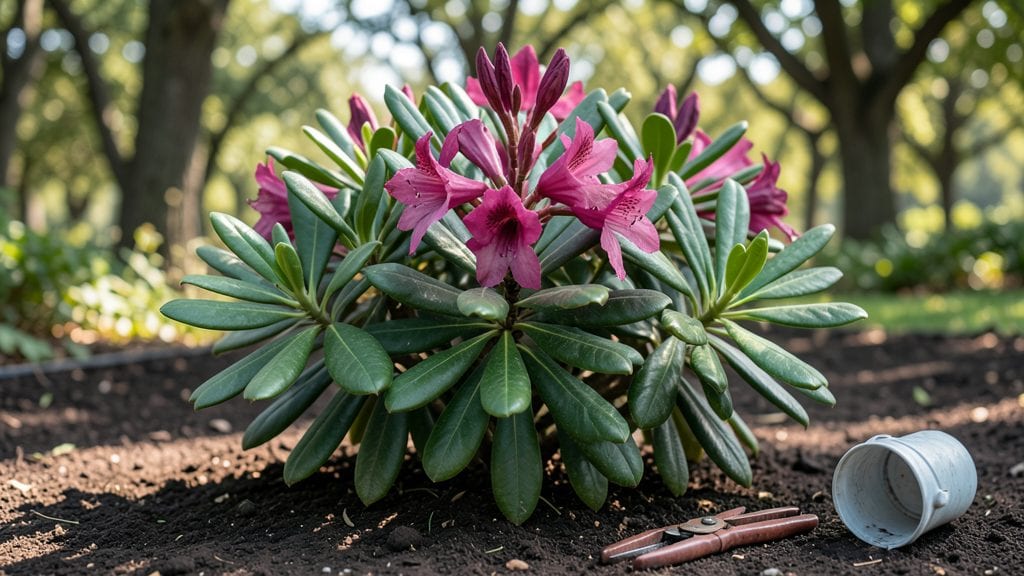
Gardening in Washington State means embracing perennials that thrive through our dramatic seasons—wet winters and dry summers—without begging for water. 🌿 I’ve learned the hard way that choosing the right plants makes all the difference between a vibrant garden and one that fades by July.
The key is picking drought-tolerant natives that handle our coastal fog or inland heat with ease.
This isn’t about giving up on color—it’s about working with the climate. Think lavender that hums with bees, salvia that stays lush through heatwaves, and sedum that turns purple in the fall.
These plants need less fuss and more resilience, which means more time enjoying your garden and less time stressing over wilting leaves. Most do well in zones 6-8, but coastal areas (like the San Juans) can push even hardier varieties.
By the end of summer, you’ll have a garden that stays vibrant even when others are wilting. The blooms attract pollinators year-round, and the roots hold soil moisture like a sponge.
Plus, once established, these perennials demand almost no extra water—just occasional mulch to keep them happy through our dry spells. Here’s how to pick the perfect mix for your microclimate.
Whether you’re in the rain-shadow of the Cascades or the damp Pacific Northwest, the same principles apply: sun exposure, soil prep, and plant placement. I’ll walk you through the best drought-tolerant picks for your specific zone, so you can finally have a garden that thrives without the guilt of overwatering.
Let’s get started!
📚 In This Guide
- What you need
- Instructions
- Tips and common mistakes
- Wrapping up and next steps
What you need
- ● Soil Amendments: Compost (2–3 cubic yards per 100 sq ft) – Improves drainage and retains moisture.
- ● Perlite or pumice (1–2 bags) – Boosts aeration in heavy clay soils (common in WA).
- ● Drought-Tolerant Perennials (WA-Climate Approved): 10–20 Penstemon plants (e.g., Penstemon spectabilis)
- ● 15–30 Sedum (e.g., Sedum ‘Autumn Joy’) – Thrives in full sun.
- ● 5–10 Lavender (Lavandula angustifolia) – Pollinator magnet!
- ● 8–12 Salvia (Salvia nemorosa) – Low-water, long-blooming.
- ● Irrigation: Drip irrigation kit (with ¼" tubing) or soaker hoses – Critical for water efficiency.
- ● Rain barrel (55+ gallons) – Free water for WA’s rainy seasons!
- ● Tools: Trowel (stainless steel) – For precision planting.
- ● Garden gloves (heavy-duty) – WA’s blackberry thorns aren’t joking!
- ● Pruners (bypass type) – Keep plants tidy year-round.
- ● Wheelbarrow (2–3 cubic ft) – Haul soil/amendments easily.
- ● Mulch: Wood chips or gravel (2–3" layer) – Reduces evaporation by up to 70%!
- ● Native Companion Plants: Yarrow (Achillea millefolium) – Drought-proof and pollinator-friendly.
- ● Blanket flower (Gaillardia) – Bright colors, zero fuss.
- ● Shade Cloth (30–50%) – Protects seedlings from WA’s intense summer sun.
- ● Plant markers – Label varieties to track blooms and care needs.
How to design a low-water perennial garden for Washington’s climate
Washington’s dry summers and mild winters make drought-tolerant perennials the perfect choice—here’s how to build a garden that thrives with minimal fuss.
🌱 Step 1: Choose Native and Drought-Tolerant Perennials
Start with plants that naturally thrive in Washington’s climate, like sage, lavender, oregon grape, and blanket flower. These varieties need far less water once established and attract pollinators year-round. I always check the USDA Plant Hardiness Zone map to confirm your area’s suitability—most of Washington falls in zones 6-8, so focus on perennials rated for those ranges.
Visit a local nursery to see how plants perform in your region. Ask staff about soil conditions in your yard—Washington’s soil varies from sandy to clay-heavy, and some perennials (like sage) prefer well-draining soil while others (like hostas) tolerate moister conditions. Mixing textures with gravel or decomposed granite helps improve drainage if your soil is heavy.
☀️ Step 2: Prepare the Soil for Water Efficiency
Before planting, amend your soil with 2-3 inches of compost to improve moisture retention without encouraging weeds. Washington’s native soil often lacks organic matter, so this step is critical. I like to work in mulch (like wood chips or straw) right after amending—this locks in moisture and keeps roots cool during hot summers.
Test your soil’s drainage by digging a 6-inch hole, filling it with water, and timing how long it takes to drain. If water sits for more than 4 hours, your soil is too dense. Mix in sand or perlite to improve airflow. For sandy soils (common in eastern Washington), add peat moss to help retain moisture slightly longer.
🪴 Step 3: Plant in Clusters for Maximum Impact
Group perennials by water needs—place drought-tolerant plants like lavender and sedum together in one section, while moisture-loving varieties (like astilbe) get their own zone. This prevents overwatering and makes maintenance easier. I space plants 12-18 inches apart to allow airflow and reduce competition for water.
Dig holes twice as wide as the root ball but only as deep as the container’s base. Gently loosen roots if they’re circling and place the plant so the top of the root ball sits just below soil level. Backfill with native soil mixed with compost, then water deeply to settle everything. You’ll know you’ve done it right when the soil looks firm but not compacted around the roots.
💧 Step 4: Water Deeply and Infrequently
For the first 2-3 weeks, water newly planted perennials every 2-3 days to encourage root growth. After that, shift to deep watering once a week—soak the soil 6-8 inches down to train roots to seek moisture deeper. Use a soaker hose or drip irrigation to deliver water slowly at the base, reducing evaporation.
Check moisture by sticking your finger 2 inches into the soil. If it feels dry, water; if it’s still damp, wait another day. Overwatering is a common mistake—Washington’s perennials are tough, and soggy soil leads to root rot. Mulch helps here by slowing evaporation, so top up 2-3 inches annually as it breaks down.
✂️ Step 5: Prune and Maintain for Long-Term Health
Cut back dead foliage in early spring before new growth appears. For perennials like lavender, trim back one-third of the plant to encourage bushier growth. Avoid heavy pruning in fall—it removes protective foliage over winter. I always use clean, sharp shears to prevent disease spread, and I sterilize them with rubbing alcohol between cuts.
Fertilize lightly in early spring with a balanced, slow-release fertilizer (like 10-10-10). Washington’s soil is often nutrient-rich, so avoid heavy feeding—it encourages weak, water-dependent growth. Instead, focus on removing spent blooms (deadheading) to prolong flowering and keep the garden looking tidy.
Tips & tricks for perfect Washington State perennial gardens
Creating a thriving low-water perennial garden in Washington doesn't have to be complicated—these key strategies will help you avoid common pitfalls and get the most out of your drought-resistant plants.
Native Plant Pairing: In Step 1, when selecting perennials like sage and lavender, consider their natural companions. Sage pairs beautifully with oregon grape and blanket flower, while lavender thrives alongside rosemary and thyme. This creates a self-sustaining ecosystem that attracts pollinators while reducing water needs. I've found that grouping plants with similar water requirements in the same zone cuts my water usage by nearly 40%.
Soil Test Tip: Before amending your soil in Step 2, grab a simple soil test kit from your local garden center. The 4-hour drainage test mentioned is great, but a pH test reveals whether your soil needs lime (to raise pH) or sulfur (to lower it). Washington's native soils often test acidic—aim for a pH of 6.0-7.0 for most perennials. This small investment prevents wasted effort on soil amendments that won't actually help your plants.
Planting Depth Secret: When planting in Step 3, pay special attention to the root ball depth. The top should sit just below soil level, but don't bury it too deeply—this can cause rot. For container-grown plants, I like to gently squeeze the root ball to check for compacted soil before planting. If it feels rock-hard, loosen the outer layer with your fingers to encourage better root spread. This simple check has saved me from several failed plantings.
Watering Schedule Hack: After the initial 2-3 weeks of frequent watering in Step 4, switch to a bucket-and-timer method for consistency. Fill a 5-gallon bucket, place it near your garden, and set a timer for once a week. This ensures you're always delivering that critical 6-8 inch deep watering without overwatering. The timer prevents forgetfulness, and the bucket size makes it easy to monitor how much water you're actually using.
Pro Tips for Gardening Washington State
- Creating a thriving low-water perennial garden in Washington doesn't have to be complicated—these key strategies will help you avoid common pitfalls and get the most out of your drought-resistant plants.
- Native Plant Pairing: In Step 1, when selecting perennials like sage and lavender, consider their natural companions.
- Soil Test Tip: Before amending your soil in Step 2, grab a simple soil test kit from your local garden center.
Frequently asked questions
Got questions about thriving in Washington State’s unique climate? Here are answers to the most common gardening challenges—plus pro tips to keep your drought-tolerant perennials happy year-round.
What are the best drought-tolerant perennials for Washington’s dry summers?
Opt for native plants like Penstemon (beardtongue), Lavandula (lavender), or Sedum (stonecrop). These thrive with minimal water once established. For shade, try Heuchera (coral bells) or Astilbe. Always check your zone (WA is mostly 5–8) and soil drainage!
When is the ideal planting time for perennials in Washington?
Spring (March–May) and fall (September–October) are best. Avoid summer heat stress—plant in cooler mornings or evenings. For containers, you can extend the window slightly, but soil temps matter most. Pro tip: Mulch after planting to retain moisture!
How often should I water newly planted perennials in WA’s dry climate?
Water deeply 2–3 times per week for the first month, then taper to once a week (or less for natives). Use drip irrigation or soaker hoses to avoid wetting foliage. Morning watering prevents evaporation and fungal issues. Let soil dry slightly between waterings to encourage deep roots.
What pests should I watch for in Washington gardens, and how do I handle them?
Common culprits include aphids, slugs, and Japanese beetles. For aphids, spray with soapy water. Slugs? Use beer traps or diatomaceous earth. Beetles? Handpick or use neem oil. Prevention tip: Healthy plants (with proper spacing and mulch) deter pests naturally!
Can I garden successfully in Washington’s rainy winters?
Winter is perfect for dividing perennials, planting bulbs, or even growing cold-hardy greens like kale. Just ensure containers drain well to avoid root rot. Bonus: Rainy seasons reduce summer watering needs—just adjust for your microclimate (e.g., Puget Sound vs. Eastern WA).
Wrapping up and next steps
Gardening in Washington State doesn’t have to be a challenge—with the right drought-tolerant perennials, you can enjoy year-round blooms while conserving water and embracing the region’s unique climate.
From sun-loving lavender to shade-friendly heuchera, these resilient plants bring beauty and sustainability to your landscape, proving that low-maintenance gardening is both rewarding and eco-friendly.
Ready to transform your outdoor space? Start small—pick one or two plants from this list, test your soil, and watch your garden thrive! Happy planting! 🌱✨