
Advice
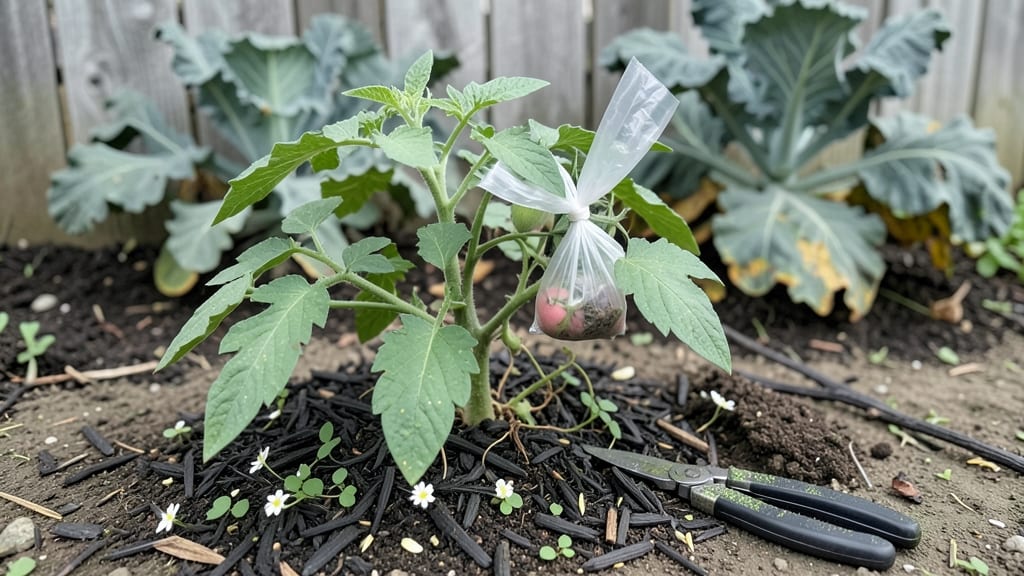
Gardening burns approximately 150–400 calories per hour, depending on activities like digging (250–350), mowing (300–450), or light weeding (150–200), with heavier individuals or vigorous work increasing calorie expenditure significantly.
Your yard work isn't just about growing plants—it's a surprisingly effective workout. 🌱 The calorie burn varies wildly based on what you're doing: hauling heavy pots or tilling soil can push you into the higher ranges, while simply pulling weeds might feel more like a gentle stroll.
What's fascinating is how body weight plays a role—someone who weighs 200 pounds will torch more calories than a lighter person doing the same tasks, thanks to basic physics.
Even better, gardening engages multiple muscle groups, making it a full-body activity that sneaks in cardio without feeling like a gym session.
For those looking to maximize effort, swap out passive tools for manual ones—like pushing a wheelbarrow instead of using a cart with motors. Adding short bursts of intensity, like digging deeper or carrying soil bags, can also give your metabolism a boost.
The key is consistency: even 30 minutes of focused yard work adds up over time, especially when combined with other physical activities.
💡 In This Article
- How Gardening Activities Impact Calorie Burn Rates
- Maximizing Calorie Burn While Gardening Efficiently
How gardening activities impact calorie burn rates
Here's what's actually happening when you're out in the garden: every movement engages multiple muscle groups, creating a full-body workout that burns calories through both aerobic and anaerobic pathways.
The energy expenditure depends heavily on the metabolic equivalent of task (MET) value assigned to each activity—digging registers at about 4.0 METs, while light weeding falls closer to 2.5 METs.
For context, a MET represents the calories burned at rest (about 1 calorie per kilogram of body weight per hour), so digging essentially quadruples your resting metabolic rate. 🌱
The key factor is resistance and repetition. Tasks like tilling soil or pushing a wheelbarrow require continuous force against gravity, engaging your core, legs, and arms simultaneously.
A 155-pound person digging for 60 minutes burns roughly 300 calories, while the same individual mowing a lawn (which involves more sustained movement) could burn up to 360 calories. The difference? Mowing maintains a steady aerobic pace, whereas digging involves intermittent bursts of strength work.
Even seemingly passive activities like raking (around 3.5 METs) still elevate heart rate if done vigorously.
Body weight plays a surprisingly significant role. The heavier you are, the more calories you'll burn because your muscles must work harder to move your mass.
A 200-pound person digging for 1 hour might burn 400 calories, compared to 250 calories for someone weighing 130 pounds doing the same task. This isn't just about muscle mass—it's physics.
The equation Calories = MET × Weight (kg) × Time (hours) shows why heavier individuals naturally expend more energy. Even small increases in intensity, like digging deeper or carrying heavier loads, can push calorie burn into higher ranges. ✨
What most people don't realize is how quickly calorie expenditure adds up during gardening marathons. A 2-hour session combining digging, planting, and hauling mulch could easily burn 600-800 calories for an average adult—equivalent to a brisk walk or light jog.
The beauty of gardening as exercise is that it feels productive while still delivering fitness benefits. Unlike steady-state cardio, gardening's variable intensity keeps your body guessing, engaging fast-twitch muscle fibers for bursts of power and slow-twitch fibers for endurance.
Consider these real-world comparisons to put it into perspective:
- Light weeding: Similar calorie burn to leisurely walking (150-200 calories/hour)
- Digging/planting: Comparable to moderate cycling (250-350 calories/hour)
- Mowing with push mower: Equivalent to jogging in place (300-450 calories/hour)
The science behind this involves your body's adaptive response. Gardening triggers both the sympathetic nervous system (fight-or-flight response) during intense tasks and the parasympathetic system during recovery periods, creating a balanced workout.
This dual activation is why gardeners often feel both physically drained and mentally refreshed afterward—your body is working at multiple metabolic levels simultaneously. 💫