Landscaping
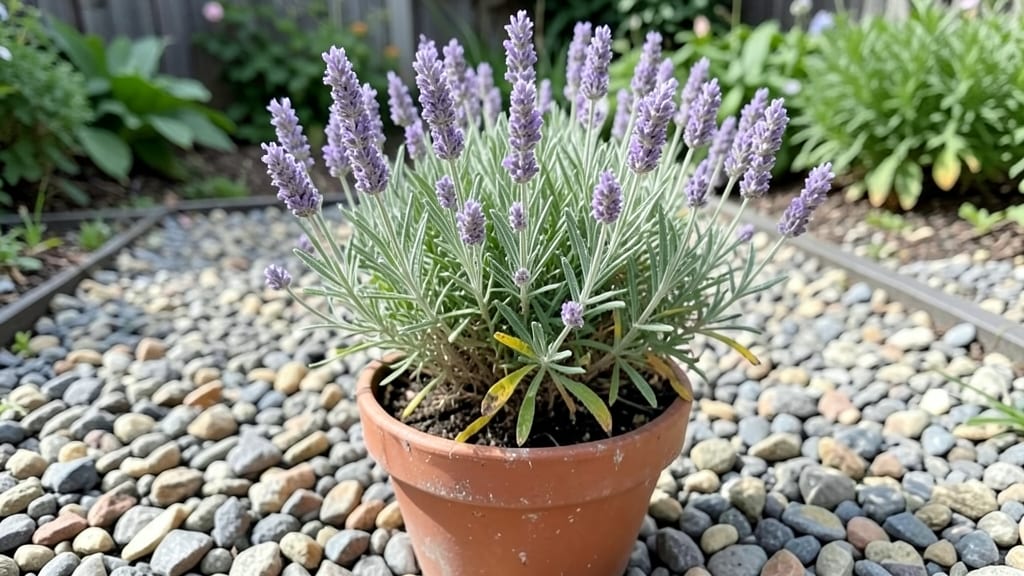
Creating a Mediterranean garden design means trading dreary lawns for sun-drenched terraces where lavender hums with bees and rosemary brushes your arm as you pass. 🌿 I fell in love with this style after visiting a hillside garden in Provence—it’s not just about plants, but the way light dances on stone and scent lingers in the air long after you walk away.
The key isn’t just picking the right plants—it’s arranging them like a painter with a palette. Terracotta pots in warm reds and ochres, gravel paths that lead to hidden seating nooks, and climbing vines like jasmine or bougainvillea softening walls create that effortless charm.
Even in hot climates, you’ll use drought-tolerant shrubs and succulents to keep water use low while still feeling lush.
What you’ll end up with is a garden that feels like a vacation every time you walk through it—fragrant, sunlit, and full of textures that beg to be touched.
The lavender will perfume the air, the olive trees will cast dappled shade, and the climbing vines will spill over arbors like liquid gold. This isn’t just landscaping; it’s creating a living postcard of the Mediterranean right in your backyard.
Here’s the best part: you don’t need acres or perfect soil. Even small spaces can borrow this style with a few well-placed pots and strategic plant choices. Let’s bring that sunlit beauty home—one stone path and fragrant herb at a time.
📚 In This Guide
- What you need
- Instructions
- Tips and common mistakes
- Wrapping up and next steps
What you need
- ● Soil & Mulch: Well-draining potting mix (2–3 bags, 40 lbs each) for containers and raised beds
- ● Organic mulch (straw, pine bark, or gravel; 1–2 cubic yards) to retain moisture and suppress weeds
- ● Plants & Vines: Herbs: Rosemary, thyme, lavender, oregano, and basil (3–5 plants per type)
- ● Climbing vines: Bougainvillea, jasmine, or passionflower (1–2 per trellis)
- ● Shrubs: Olive trees, lavender bushes, or dwarf citrus (1–3, depending on space)
- ● Annuals: Geraniums, petunias, or marigolds (5–10 for color)
- ● Hardscaping: Terracotta pots (3–6, 12–18 inches in diameter) for herbs and small plants
- ● Wooden or metal trellises (2–4, 6–8 feet tall) for climbing vines
- ● Paving stones or flagstone (50–100 sq. ft., 2–3 inches thick) for pathways
- ● Gravel or decomposed granite (1–2 cubic yards) for walkways or borders
- ● Required: Garden trowel and hand pruners
- ● Wheelbarrow (for hauling soil/mulch)
- ● Rake and garden hose with spray nozzle
- ● Measuring tape and level
- ○ Optional (but helpful!): Power drill and screws (for securing trellises)
- ● String trimmer (for edging pathways)
- ● Soil pH tester (to ensure optimal plant health)
- ● Sunlight: 6+ hours of direct sun daily (Mediterranean gardens thrive in full sun!)
- ● Drainage: Ensure proper slope or raised beds to prevent waterlogging
- ● Local climate check: Verify hardiness zones for your plants (e.g., USDA Zones 7–10 for classic Mediterranean species)
- ● Permits: Check local regulations if installing permanent structures (like trellises or paving)
Step-by-Step guide to crafting a Mediterranean garden design
Here's how to create a sun-drenched retreat with fragrant herbs and climbing vines that thrive in your climate.
🪴 Step 1: Define Your Terraces and Choose Hardscaping Materials
Start by sketching your space—Mediterranean gardens thrive with defined terraces that create visual layers. Use flagstone or travertine tiles for pathways and patios since they withstand heat and occasional foot traffic. I like to elevate planting areas slightly to improve drainage, especially in hotter climates where water pools can invite pests.
For edges, opt for rough-hewn stone walls or low wrought-iron railings to frame each level. These materials age beautifully and complement the rustic charm of Mediterranean gardens. Leave gaps between stones for creeping thyme or other drought-tolerant ground covers to spill through naturally.
☀️ Step 2: Layer Plants for Sun, Fragrance, and Vertical Interest
Begin with sun-loving perennials like lavender, rosemary, and salvia as your foundation—these thrive in 6-8 hours of direct sun and emit intoxicating scents when brushed. Place taller plants like olive trees or citrus shrubs at the back or center of each terrace to create focal points and partial shade for smaller plants below.
Add climbing vines like jasmine or bougainvillea to trellises or pergolas for instant vertical drama. Watch their tendrils reach for sunlight—this is how you know they're happy. I like to intersperse fragrant annuals like sweet alyssum or marigolds near seating areas so their scent lingers when you relax.
💧 Step 3: Install Drought-Tolerant Irrigation and Mulch
Mediterranean gardens despise soggy roots, so install a drip irrigation system that delivers water slowly at the base of plants. Set emitters to release 1-2 gallons per plant daily in peak summer, then reduce to every other day once established. Bury lines beneath mulch to keep them hidden and protected.
Cover soil with 3-4 inches of gravel or coarse wood chips to suppress weeds and retain moisture. The key is to keep mulch 2 inches away from plant stems to prevent rot. This layer also reflects heat away from roots, which is critical in hotter regions where soil can bake.
✂️ Step 4: Train Vines and Prune for Shape
Guide climbing vines along trellises by gently tying new growth with soft plant ties every 4-6 weeks. I prune leggy stems back by one-third in early spring to encourage bushier, more fragrant foliage. Always use clean, sharp shears to avoid tearing—you'll see new shoots emerge within 2-3 weeks.
For herbs like rosemary and thyme, trim back one-third of the plant height after flowering to maintain their compact shape. Watch for new growth at the base—this signals the plant is recovering well. Deadhead spent blooms on lavender and salvia immediately to redirect energy into more flowers and fragrance.
🌿 Step 5: Add Finishing Touches for Ambiance
Incorporate terracotta pots filled with trailing herbs like oregano or mint near seating areas for easy access and a pop of color. Place wrought-iron lanterns or solar-powered lights along pathways to extend evening enjoyment. The warm glow creates a cozy Mediterranean vibe when night falls.
Finally, scatter scented pine cones or dried citrus slices among plants for a subtle, natural fragrance that enhances the garden's sensory appeal. This is the moment that transforms your terraces from functional to magical—where you'll want to linger with a glass of wine in hand.
Tips & tricks for perfect Mediterranean garden design
Creating a Mediterranean garden that thrives requires understanding how to work with the climate and plants—here's what I've learned after designing several terraced gardens myself.
Sunlight Strategy: The 6-8 hours of direct sun mentioned in Step 2 is non-negotiable for Mediterranean plants. I've found that positioning your terraces to capture morning sun on the north side and afternoon sun on the south side creates perfect growing conditions. Install a simple sun dial or use a smartphone app to track sunlight patterns in your space for a week before planting—this helps you visualize how shadows will shift throughout the day.
Plant Pairing Insight: When layering plants in Step 2, pair lavender and rosemary together—they share similar water needs and both thrive in poor, well-drained soil. I like to place them near the edges of terraces where they'll get maximum airflow and sunlight. For climbing vines, choose bougainvillea over jasmine if you want more vibrant color, but jasmine will give you that intoxicating nighttime fragrance that's perfect for evening relaxation.
Irrigation Timing: The 1-2 gallons per plant daily in peak summer seems like a lot, but it's crucial for establishing new plants in hot climates. I recommend watering in the early morning (between 4-6 AM) to prevent evaporation and fungal growth. For established plants, you can reduce to every other day as mentioned, but always check soil moisture by sticking your finger 2 inches down—if it's dry, water again. This simple check prevents overwatering while ensuring your plants get enough moisture.
Pruning Precision: When pruning herbs in Step 4, I've found that using clean, sharp shears is more important than you might think. Dull shears crush plant cells, which can lead to browning and disease. I keep a small bottle of rubbing alcohol handy to wipe down my shears between cuts. For rosemary and thyme, I prune just above a set of leaves rather than cutting into bare stem—this encourages new growth at the base where the plant is most vigorous.
Pro Tips for Mediterranean Garden Design
- Creating a Mediterranean garden that thrives requires understanding how to work with the climate and plants—here's what I've learned after designing several terraced gardens myself.
- Sunlight Strategy: The 6-8 hours of direct sun mentioned in Step 2 is non-negotiable for Mediterranean plants.
- Plant Pairing Insight: When layering plants in Step 2, pair lavender and rosemary together—they share similar water needs and both thrive in poor, well-drained soil.
Frequently asked questions
Got questions about bringing a Mediterranean garden to life? Here are some of the most common concerns—and their answers—to help you plan with confidence!
What plants are essential for a Mediterranean garden?
A Mediterranean garden thrives with drought-resistant plants like lavender, rosemary, olive trees, bougainvillea, and climbing vines such as jasmine or passionflower. Succulents (e.g., agave or sedum) and citrus trees like lemons or oranges also fit perfectly. Pro tip: Group plants with similar water needs to simplify care!
When is the best time to plant a Mediterranean garden?
Plant in early spring or late fall to avoid extreme heat or cold. Spring (March–May) is ideal for most Mediterranean plants, as they establish roots before summer dryness. Fall (September–November) works well in warmer climates. Avoid planting during peak summer heat—it stresses tender plants!
How do I water a Mediterranean garden efficiently?
Mediterranean gardens hate overwatering! Use drip irrigation or soaker hoses to deliver water directly to roots, reducing evaporation. Water deeply but infrequently—1–2 times per week in summer, less in cooler months. Mulch with gravel or wood chips to retain moisture and suppress weeds.
Can I create a Mediterranean garden in a small space?
Opt for containers (terracotta pots for herbs, hanging baskets for vines) or vertical gardens (trellises with climbing roses or grapes). Even a sunny balcony or patio can host lavender, thyme, and mini olive trees. Bonus: Add a small fountain or mosaic tiles for that authentic Mediterranean charm!
What pests should I watch for in a Mediterranean garden?
Common pests include aphids, spider mites, and snails. Encourage natural predators like ladybugs and lizards. For snails, use copper barriers or beer traps. Prevention tip: Healthy soil and proper spacing reduce pest problems. Avoid chemical pesticides—they can harm beneficial insects!
How can I add Mediterranean-style hardscaping on a budget?
Skip expensive stonework and use pebbles, gravel, or recycled bricks for pathways. Paint old terracotta pots or wooden crates for planters. DIY a herb spiral with stacked stones and soil. Even a simple arbor or pergola (built from reclaimed wood) adds structure without breaking the bank!
Wrapping up and next steps
Creating a Mediterranean garden design brings the essence of sun-drenched charm to your outdoor space—where fragrant herbs, rustic stone paths, and lush vines create a serene escape.
Whether you’re drawn to the romantic allure of bougainvillea or the practical beauty of lavender hedges, this style is all about effortless elegance and sensory delight. 🌿✨
Ready to transform your yard? Start small—pick a corner for a herb spiral or a climbing vine trellis, then let your creativity grow! For inspiration, sketch a layout, gather materials, and embrace the process. Your Mediterranean oasis awaits!