
Landscaping
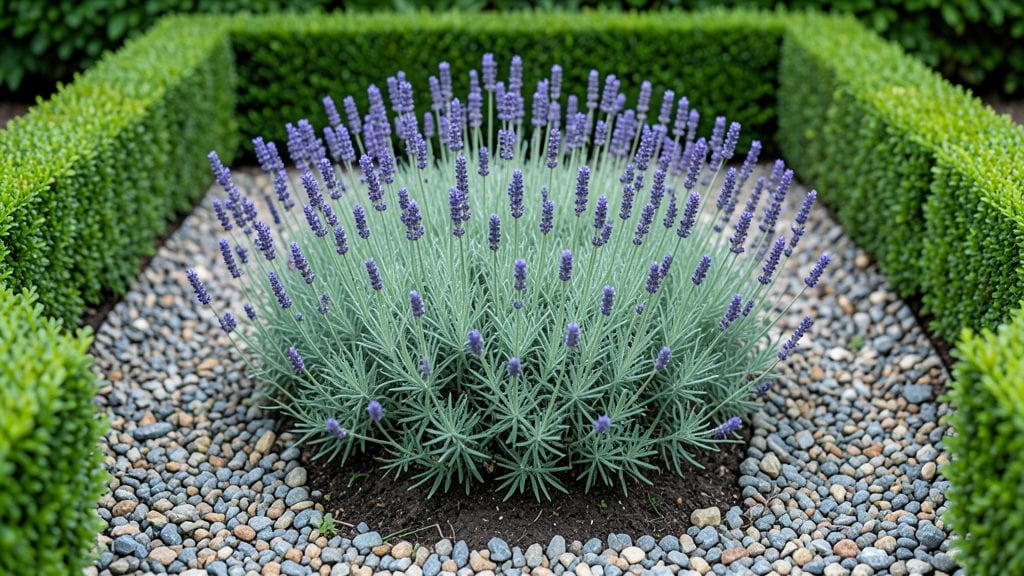
Creating a parterre garden design transforms any yard into a structured yet lush masterpiece—where French elegance meets modern gardening. 🌿 I first stumbled upon this style after visiting a historic estate, where the precision of the borders and layered plants created a breathtaking visual rhythm.
The key lies in symmetry, crisp edges, and strategic plant height variations to build depth.
You’ll need a level space, edging materials like brick or metal, and plants that thrive in your climate—think boxwood for structure, lavender for mid-height texture, and ornamental grasses for soft movement.
Even small yards can pull this off with scaled-down designs or container parterres. The upfront work pays off with a garden that looks polished year-round.
Imagine walking through your garden and seeing vibrant layers unfold—tall plants framing shorter ones, all neatly contained by those crisp borders. The result is a space that feels both refined and alive, where every season brings new colors and textures.
This design works equally well for front yards, courtyard borders, or even window boxes.
Here’s the secret: start with a simple sketch of your space, then build outward in layers. Use contrasting foliage colors to add drama, and don’t shy away from mixing evergreens with seasonal blooms. With a little planning, your parterre will become the envy of the neighborhood—without requiring constant upkeep.
📚 In This Guide
- What you need
- Instructions
- Tips and common mistakes
- Wrapping up and next steps
What you need
- ● Soil & Amendments: Topsoil (2–3 cubic yards per 100 sq. ft.)
- ● Compost or well-rotted manure (1–2 bags per 100 sq. ft.)
- ● Sand or perlite (for drainage, 1–2 bags per 100 sq. ft.)
- ● Edging & Structure: Low boxwood hedges (pre-planted or bare-root, 12–24 plants per 10 ft. border)
- ● Metal or stone edging (copper, iron, or limestone, 1–2 ft. wide)
- ● Gravel or crushed stone (1–2 inches deep, for pathways or borders)
- ● Plants & Foliage: Low-growing perennials (e.g., lavender, rosemary, or ornamental grasses)
- ● Annuals for color (e.g., petunias, snapdragons, or marigolds)
- ● Shrubs for structure (e.g., boxwood, dwarf holly, or abelia)
- ● Tools: Spade or shovel (for digging)
- ● Garden trowel (for precision planting)
- ● String line & stakes (for marking geometric patterns)
- ● Wheelbarrow (for hauling materials)
- ● Pruners & shears (for shaping hedges)
- ● Level & measuring tape (for symmetry)
- ● Mulch (2–3 inches of pine bark or shredded leaves)
- ● Decorative stones or pebbles (for pathways or accents)
- ● Irrigation system (drip lines or soaker hoses for efficiency)
- ● Arbors or trellises (for vertical interest)
- ● Lighting (solar-powered path lights or uplighting for drama)
Step-by-Step instructions for crafting a classic parterre garden
Here’s how to blend French precision with layered texture for a timeless, structured garden.
🪴 Step 1: Map the Layout with Geometric Precision
Sketch your design on graph paper using a symmetrical grid—parterres thrive on repetition. For a 4-foot-wide bed, divide it into three equal sections: a central path flanked by two mirrored planting zones. Mark key lines with stakes and string for straight edges, then dig along them with a spade to create clean borders. The French tradition demands crisp lines, so take your time here—uneven edges will show.
I always start with the outermost edges first, then work inward. Use a level to ensure the bed sits perfectly flat—water pools in low spots and disrupts plant spacing. For a 12-foot-long bed, aim for 18-inch-wide sections between paths, allowing enough room for mature plants to breathe without crowding. Pro tip: Snap chalk lines along the string before digging to visualize the final shape.
🌿 Step 2: Layer Plants by Height and Texture
Begin with the tallest plants at the back, gradually stepping down to mid-height and ground covers toward the front. For a French-inspired palette, pair boxwood (Buxus sempervirens) as the structural backbone with lavender (Lavandula angustifolia) for fragrance and heuchera (Coral Bells) for foliage contrast. Space boxwood 18 inches apart—they’ll form a dense hedge over time, while lavender thrives in 12-inch intervals along the edges.
Fill gaps with low-growing sedum (Stonecrop) or ajuga (Bugleweed) to create a lush, carpet-like base. Avoid planting in straight rows—cluster odd numbers (3, 5, or 7) of each variety for a natural yet deliberate look. For example, group three heuchera plants together, then offset them with five lavender stems in the next section. This creates visual rhythm without rigidity.
✂️ Step 3: Prune and Shape for Formal Elegance
Once plants are established, shear boxwood and lavender into neat, rounded forms using hand pruners and a small hand saw for thicker stems. Aim for smooth, domed shapes—French parterres avoid sharp angles. Prune twice yearly: lightly in early spring to encourage growth, then again in late summer to refine shape before winter. For boxwood, cut back no more than ⅓ of the new growth at a time to avoid stressing the plant.
Shape evergreens first, then move to perennials like lavender. Use a wire brush to clean up dead foliage from the previous season before pruning. For a polished finish, step back frequently to check symmetry—parterres rely on balanced proportions. If one side looks heavier, adjust by trimming back the densest areas slightly. Mulch with 2 inches of shredded bark afterward to suppress weeds and retain moisture.
💧 Step 4: Maintain Moisture and Soil Health
Water deeply twice weekly during the first growing season to establish roots, then taper to once weekly once plants are mature. French parterres favor well-draining soil, so amend with 2 inches of compost annually in early spring. Avoid over-fertilizing—too much nitrogen encourages leafy growth at the expense of flowers, which disrupts the balanced layers. Instead, use a slow-release fertilizer in spring and fall for steady nourishment.
Monitor soil moisture by pressing a finger 1 inch deep—if it feels dry, water thoroughly. Drip irrigation works best here, as it delivers water slowly and evenly without disturbing the precise plant arrangement. For a 12-foot bed, install two emitters per section, spacing them 18 inches apart along the back edge. This ensures even hydration without creating muddy paths.
⏰ Step 5: Seasonal Refreshes for Year-Round Beauty
In spring, replace any winter-damaged foliage and add early bloomers like pansies or violas to fill gaps. For summer, swap out spent perennials with heat-tolerant annuals like snapdragons or salvia to maintain color. In fall, introduce ornamental grasses (like Miscanthus) for texture and late-blooming asters for contrast. Winter care is minimal—just lightly prune dead stems and add a 2-inch layer of mulch to protect roots from freeze-thaw cycles.
Every 3–4 years, refresh the bed by dividing overcrowded perennials and replacing any slow-growing plants. French parterres demand meticulous upkeep, but the payoff is a garden that feels both structured and alive. The key is patience—allow plants time to fill in naturally before making adjustments. Once established, your parterre will require less intervention and more admiration.
Tips & tricks for perfect parterre garden design
Creating a classic parterre garden demands precision, but these insider tips will help you achieve that signature French elegance without the guesswork.
The Precision Factor: When mapping your 4-foot-wide bed in Step 1, I can't stress enough how critical those 18-inch-wide sections are. Use a 3-foot level to check for perfect flatness—even a slight dip will cause water to pool and disrupt your meticulous layout. Pro tip: Lay down a 2x4 board across the bed before digging to visualize the final height and ensure it's level from side to side. This simple step prevents the most common beginner mistake of uneven planting beds.
Plant Placement Strategy: In Step 2, resist the urge to plant in perfect straight lines—French parterres thrive on controlled randomness. When grouping your three heuchera plants with five lavender stems, stagger their positions by 2-3 inches rather than aligning them perfectly. This creates that signature "effortless elegance" while maintaining the structured look. Think of it as musical rhythm—each plant type plays its part in the visual harmony.
Pruning Precision: The twice-yearly pruning schedule in Step 3 is non-negotiable for maintaining that formal look, but here's what nobody tells you: Always prune boxwood on a dry, overcast day to prevent sunburn on fresh cuts. And when you're shaping those domed forms, use a concave-edge pruner for the top curves—it creates a more natural, less mechanical look than straight-edge shears. For lavender, never cut into old wood; always prune back to the fresh green growth.
Seasonal Transition Hack: For your seasonal refreshes in Step 5, I've found that late summer is the perfect time to plant ornamental grasses like Miscanthus—they establish roots before winter and provide that essential vertical element for fall interest. When replacing spring bloomers in early spring, choose varieties with staggered bloom times to maintain continuous color, like pairing pansies (which bloom early) with violas (which bloom later in the season).
Pro Tips for Parterre Garden Design
- Creating a classic parterre garden demands precision, but these insider tips will help you achieve that signature French elegance without the guesswork.
- The Precision Factor: When mapping your 4-foot-wide bed in Step 1, I can't stress enough how critical those 18-inch-wide sections are.
- Plant Placement Strategy: In Step 2, resist the urge to plant in perfect straight lines—French parterres thrive on controlled randomness.
Frequently asked questions
Got questions about creating a stunning parterre garden? You’re not alone—these classic French designs blend artistry with horticulture, and planning is key! Below, we’ve answered the most common questions to help you bring your vision to life with confidence.
What’s the best time of year to plant a parterre garden?
Aim for spring or early fall when temperatures are mild and rainfall is steady. Spring planting (March–May) gives plants time to establish roots before summer heat, while fall (September–November) avoids drought stress. Pro tip: Avoid extreme heat or frost—both can shock delicate perennials and annuals. If you’re in a warm climate, winter planting (December–February) can also work!
How do I choose the right size for my parterre?
Size depends on your space and maintenance goals! A traditional parterre is often 8–12 feet wide (with paths every 4–6 feet) and can stretch as long as you like. For small yards, opt for a mini parterre (3–5 feet wide) near a patio or entryway. Key rule: Keep it proportional to your home’s architecture—think symmetry and balance!
Are parterre gardens expensive to maintain?
They can be, but not necessarily! Costs depend on materials (boxwood hedges vs. perennials) and labor. Low-maintenance tips:
- Use hardy perennials (like lavender or sedum) instead of high-priced annuals.
- Mulch heavily to reduce watering and weeding.
- Invest in drip irrigation for efficiency.
DIY-ers can save by shaping their own beds and propagating plants from cuttings.
Can I adapt a parterre design for a modern or cottage-style garden?
While parterres are rooted in French formality, you can mix textures and styles:
- Modern twist: Swap boxwood for clean-lined succulents or ornamental grasses with geometric patterns.
- Cottage charm: Soft edges, wildflowers, and climbing roses add rustic flair.
- Color play: Use bold hues (like black or purple foliage) for drama.
Just keep the layered structure—it’s the heart of parterre magic!
Why are my parterre plants dying or looking leggy?
Leggy growth or die-off usually signals one of three issues:
- Poor lighting: Parterres thrive in full sun (6+ hours/day). Move shade-loving plants to the center.
- Over/under-watering: Check soil moisture—parterres need consistent dampness but no soggy roots.
- Nutrient deficiency: Feed with slow-release fertilizer in spring and prune dead foliage promptly.
Quick fix: Trim back overgrown plants and adjust watering—most recover within weeks!
Wrapping up and next steps
A parterre garden blends French elegance with natural beauty, creating a layered masterpiece that’s both structured and serene. Whether you’re drawn to its geometric precision or lush, vibrant plantings, this design offers timeless charm for any outdoor space. Ready to bring this classic style to life?
Start small—sketch your layout, gather inspiration, and take the first step toward crafting a garden that’s uniquely yours. Your perfect parterre awaits! 🌿✨