Tools
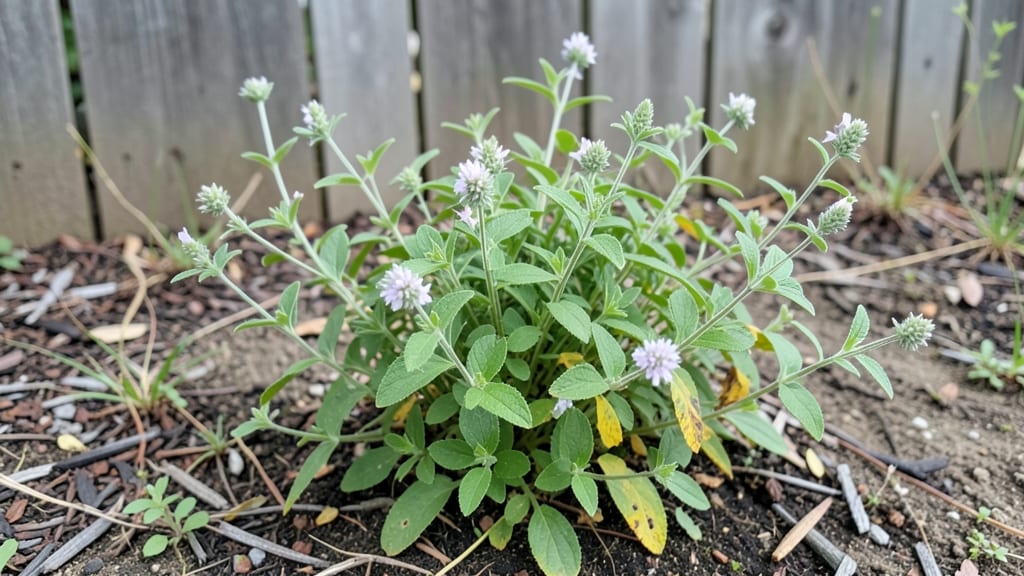
Creating a lemon verbena garden transforms your outdoor space into a fragrant sanctuary that smells like sunshine and zesty lemonade. 🌿 I planted mine last spring, and now it’s the centerpiece of my patio—every brush against the leaves releases that bright, citrusy aroma that lingers in the air long after you pass.
The secret lies in its versatility: it thrives in borders, containers, or even as a fragrant pathway, while its glossy leaves add a pop of deep green to any design.
The best part? Lemon verbena stays lush and fragrant from spring through frost, making it a low-maintenance star for gardeners who love both beauty and scent. Pair it with lavender for a Mediterranean vibe or mix it with herbs like rosemary and thyme for a practical, aromatic border.
It even attracts pollinators, so your garden gets double the benefits—color and buzzing life all season.
Once established, this plant is nearly indestructible—it handles heat, drought, and even light shade better than most herbs. Snip leaves for tea, desserts, or cocktails, and the more you harvest, the bushier it grows. The only challenge? Keeping neighbors from stealing your fragrant bounty (they will).
For a showstopping display, plant it alongside silver foliage like lamb’s ear or dusty miller to make the lemony scent pop even more. In containers, pair it with trailing plants like sweet potato vine for a cascading, citrus-scented centerpiece.
The possibilities are endless—your garden will smell like a vacation every time you step outside.
📚 In This Guide
- What you need
- Instructions
- Tips and common mistakes
- Wrapping up and next steps
What you need
- ● Lemon verbena plants: 3–5 healthy nursery-grown plants (or seeds if starting from scratch). Choose organic or disease-resistant varieties for best results.
- ● Well-draining potting mix: 5–10 gallons (depending on container size). Opt for a blend with perlite or sand for aeration.
- ● Containers or garden bed: For pots: 5–10-gallon containers with drainage holes (1 plant per 5-gallon pot). Terracotta or fabric pots work best.
- ● For in-ground: Full-sun location (6+ hours of sunlight) with loose, fertile soil (amend with compost if needed).
- ● Slow-release fertilizer: 1–2 cups of balanced 10-10-10 or citrus-specific fertilizer (follow package instructions).
- ● Mulch: 2–3 inches of organic mulch (e.g., straw or shredded bark) to retain moisture and suppress weeds.
- ● Gloves & trowel: For planting and soil prep.
- ● Pruning shears: To trim leggy stems and encourage bushiness.
- ● Watering can or hose with gentle nozzle: Lemon verbena dislikes soggy roots—water deeply but infrequently.
- ○ Spray bottle (optional): For misting leaves if growing indoors or in dry climates.
- ○ Harvesting scissors (optional):strong> For clean cuts when harvesting leaves.
- ○ Companion plants (optional):strong> Basil, lavender, or marigolds to deter pests.
- ● Edible flowers (e.g., nasturtiums) for aesthetics and pollinators.
Step-by-Step instructions for planting a lemon verbena garden
Here's how to create a fragrant, low-maintenance lemon verbena garden that blooms all season.
🌱 Step 1: Choose the Perfect Location and Prepare the Soil
Lemon verbena thrives in full sun to partial shade—at least 6 hours of sunlight daily for peak fragrance. I always pick a spot with afternoon shade in hot climates to prevent leaf scorch. The soil should drain well but retain moisture, so if your yard is heavy clay, mix in 2 inches of compost to improve texture.
Dig a hole twice as wide as the root ball but only as deep as the container it came in. Gently loosen the roots if they're circling—this encourages outward growth. Place the plant in the hole and backfill with native soil, pressing lightly to eliminate air pockets. Water deeply to settle the soil around the roots.
💧 Step 2: Water and Mulch for Healthy Growth
After planting, water deeply once a week—enough so that moisture reaches 6 inches down. Lemon verbena is drought-tolerant once established, but young plants need consistent moisture. You'll know it's time to water when the top inch of soil feels dry to the touch.
Spread 2-3 inches of organic mulch (like shredded bark or straw) around the base, keeping it 2 inches away from the stem. Mulch locks in moisture, regulates soil temperature, and suppresses weeds. Replenish mulch as it breaks down—this keeps roots cool in summer and insulated in winter.
☀️ Step 3: Prune and Encourage Bushy Growth
Pinch back the tips of new growth when plants are 6-8 inches tall to encourage bushier, more fragrant foliage. I always use clean, sharp pruners to avoid damaging stems. Remove any yellow or brown leaves immediately—they drain energy from the plant and attract pests.
Harvest leaves regularly by snipping just above a leaf node. This stimulates new growth and keeps the plant compact. The best time to harvest is in the morning after the dew has dried but before the sun is harsh. Store harvested leaves in an airtight container in the fridge for up to 2 weeks or dry them for tea blends.
✂️ Step 4: Fertilize and Protect for Year-Round Blooms
Feed lemon verbena with a balanced, organic fertilizer (like 10-10-10) every 6-8 weeks during the growing season. Over-fertilizing leads to lush foliage but fewer flowers—so follow package instructions precisely. Water the soil thoroughly before and after fertilizing to prevent root burn.
Watch for spider mites or aphids, which love lemon verbena's sweet scent. Spray plants with neem oil at the first sign of pests—it's organic, effective, and won't harm beneficial insects. In winter, reduce watering and prune lightly to shape the plant for spring growth.
Tips & tricks for perfect lemon verbena gardens
Here's what I've learned after growing lemon verbena for years—tricks that make all the difference between a decent plant and a fragrant, thriving garden.
The Sunlight Secret: Those 6 hours of sunlight in Step 1 are non-negotiable for peak fragrance, but here's the thing—morning sun is your friend in hot climates. Position your plants to catch the brightest rays in the morning when temperatures are cooler, then move them to partial shade by early afternoon. This prevents leaf scorch while still giving you that citrusy aroma we all love. I've seen plants wilt dramatically when planted in full afternoon sun without this adjustment.
Soil Prep Game-Changer: If your soil feels heavy or compacted, mix in that 2 inches of compost before planting—not just at the bottom of the hole. Work it into the surrounding soil too. I learned this the hard way after my first plant struggled in dense clay. The roots need that aerated environment to spread properly and access moisture efficiently. Think of it as giving your lemon verbena a fluffy bed to grow in.
Watering Wisdom: That once-a-week deep watering in Step 2 is perfect, but here's the pro move: water in the early morning. This gives the roots all day to absorb moisture before the heat of the afternoon causes evaporation. I've noticed my plants stay healthier and more fragrant when watered this way. And always check that top inch—if it's dry, it's time to water, regardless of what the calendar says.
Pruning Payoff: When you pinch back those tips at 6-8 inches, don't just trim the very top—snip just above a leaf node where new growth will emerge. This creates multiple branching points, leading to bushier plants with more leaves for harvesting. I've doubled my harvest yield by following this technique consistently. And always use clean pruners to prevent spreading disease between cuts.
Pro Tips for Lemon Verbena Garden
- Here's what I've learned after growing lemon verbena for years—tricks that make all the difference between a decent plant and a fragrant, thriving garden.
- The Sunlight Secret: Those 6 hours of sunlight in Step 1 are non-negotiable for peak fragrance, but here's the thing—morning sun is your friend in hot climates.
- Soil Prep Game-Changer: If your soil feels heavy or compacted, mix in that 2 inches of compost before planting—not just at the bottom of the hole.
Frequently asked questions
Got questions about growing your own lemon verbena garden? You're not alone—this fragrant herb has plenty of curious gardeners asking for tips! Below, we’ve rounded up the most common questions to help you cultivate a thriving, citrus-scented patch with ease.
How fast does lemon verbena grow, and when can I harvest?
Lemon verbena grows fast—expect noticeable growth within 4–6 weeks of planting! You can start harvesting leaves as soon as the plant reaches 6–8 inches tall (usually 8–12 weeks after germination). For the best flavor and fragrance, harvest in the morning after the dew has dried but before the sun gets too intense. Pinch back new growth to encourage bushier plants!
Can lemon verbena survive winter, or is it an annual?
In USDA Zones 8–11, lemon verbena is a perennial and will return year after year. However, in colder climates (Zones 7 and below), it’s best treated as an annual or grown in containers that you can bring indoors before frost. If you’re in a chilly zone, mulch heavily or cover plants with frost cloth to protect them through mild winters.
What can I substitute if I can’t find lemon verbena?
If you’re craving that bright citrusy aroma but can’t find lemon verbena, try these alternatives:
- Lemon balm – Mild lemon scent, great for teas.
- Lemongrass – Stronger citrus kick, perfect for cooking.
- Lemon thyme – Subtle lemon flavor, ideal for savory dishes.
- Citronella – Similar fragrance, though more herbal.
Why are my lemon verbena leaves turning yellow or brown?
Yellowing or browning leaves are usually a sign of overwatering, underwatering, or pests. Check these fixes:
- Too much water? Ensure pots have drainage holes and water only when the top 1–2 inches of soil feel dry.
- Not enough water? Lemon verbena loves moisture—keep soil consistently damp (but not soggy).
- Pests (like spider mites or aphids)? Spray with neem oil or insecticidal soap.
- Sunburn? If leaves scorch in hot climates, provide afternoon shade.
How do I preserve lemon verbena for later use?
To enjoy your lemon verbena’s zesty aroma year-round, try these preservation methods:
- Drying: Bundle stems and hang upside down in a dark, dry place for 1–2 weeks. Store leaves in an airtight jar.
- Freezing: Chop leaves and freeze in ice cube trays with water (for teas) or oil (for cooking).
- Infused oils: Steep leaves in olive oil for 2–3 weeks, then strain and store in the fridge.
- Vinegar: Add fresh leaves to white vinegar for a lemony homemade dressing (steep 2–4 weeks).
Wrapping up and next steps
Creating a lemon verbena garden is a rewarding way to enjoy a fragrant, low-maintenance plant that brightens your space year-round. Whether you’re a seasoned gardener or just starting, this citrusy beauty thrives with minimal effort—just a sunny spot, well-draining soil, and a little love. 🌿✨
Now that you’re armed with the how-tos and answers to common questions, it’s time to roll up your sleeves! Start small—plant a single cutting or a few seeds—and watch your garden transform into a fragrant oasis. Happy gardening!
Next steps:
- Pick your favorite variety (compact, trailing, or bushy) and order seeds or cuttings.
- Mark your calendar for spring planting (or extend the season with containers!).
- Share your progress with fellow plant lovers—tag us @LemonVerbenaGarden!