Fertilization
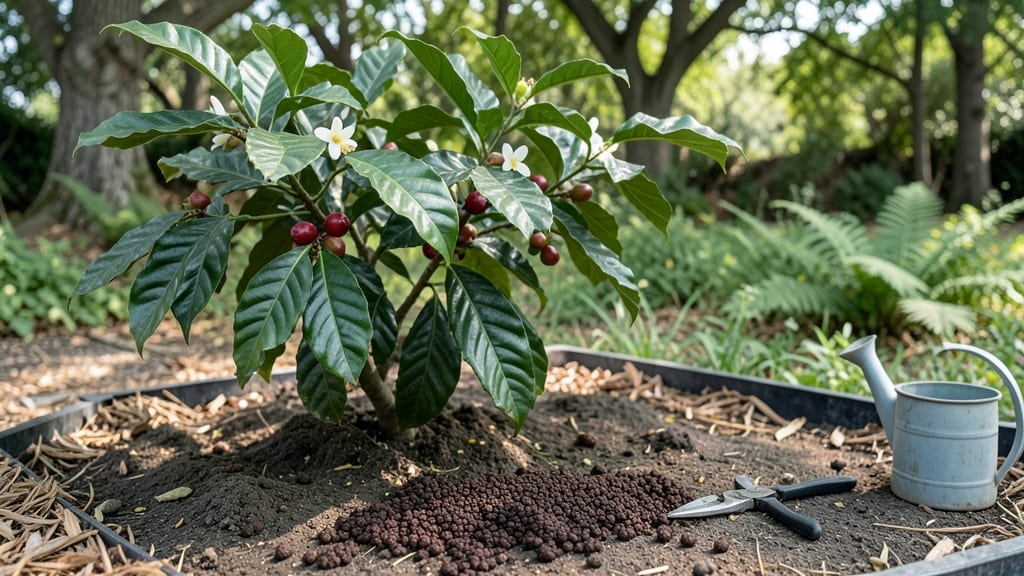
Using coffee grinds in your garden boosts soil fertility by adding nitrogen, repelling pests like slugs, and enhancing moisture retention while contributing organic material. Apply them sparingly to compost or topsoil to avoid mold or soil acidity issues.
Coffee grinds work their magic by breaking down slowly, releasing nutrients that feed your plants while also attracting beneficial microbes. 🌱 The acidity in spent grounds can actually help certain plants like blueberries and azaleas thrive, though they may not suit everything in your garden.
I’ve found that mixing them into compost piles speeds up decomposition, creating a nutrient-rich amendment faster than using plain yard waste.
For best results, avoid piling fresh grounds directly on plant roots—they can create a barrier that prevents water absorption. Instead, sprinkle a thin layer around the base of plants or mix them into your mulch. This approach keeps the benefits without risking compaction or excessive acidity.
💡 In This Article
- How Coffee Grounds Improve Soil Health
- Best Ways to Use Coffee Grounds in Your Garden Layout
How coffee grounds improve soil health
Here's what's actually happening when you add coffee grinds to your garden: they undergo a slow decomposition process that releases nitrogen in a form plants can easily absorb.
Fresh coffee grounds contain about 2% nitrogen by weight, which is roughly half the nitrogen content of manure but more concentrated than most compost.
The key factor is microbial activity—soil bacteria and fungi break down the cellulose and lignin in the grounds, converting them into plant-available nutrients over 3-6 months, depending on moisture and temperature.
The acidifying effect is another critical benefit, though it's often misunderstood. Coffee grounds have a pH of about 4.85-6.25 (similar to black tea), which means they can lower soil pH slightly—ideal for acid-loving plants like hydrangeas or rhododendrons. However, their impact is minimal compared to chemical amendments.
For example, a 1-inch layer of grounds might drop soil pH by 0.5 units in sandy soil, but only 0.1 units in clay soil due to buffering capacity. This makes them safer than lime for gradual pH adjustment.
What most people don't realize is how coffee grounds stimulate microbial life. The grounds provide a carbon-rich food source that encourages beneficial bacteria and fungi to flourish, which in turn helps break down other organic matter in your soil.
Studies show soils amended with coffee grounds can have 20-30% more microbial biomass than unamended soils, creating a more active ecosystem that improves nutrient cycling. This microbial boost is why coffee grounds work so well in compost—they accelerate decomposition by feeding the microbes that do the heavy lifting.
When comparing coffee grounds to other organic amendments, they fall somewhere between compost and manure in terms of nutrient release speed. While manure provides an immediate nitrogen boost (thanks to its higher ammonia content), coffee grounds release nitrogen more gradually, making them better for long-term soil fertility.
Compost, which is already decomposed, offers balanced nutrients but lacks the microbial stimulation that fresh grounds provide. The texture also matters—coffee grounds' coarse, granular structure improves soil aeration better than fine compost but may compact more than wood chips.
One advanced consideration is the caffeine content, which persists even after decomposition. While the levels are extremely low (typically 0.1% of original caffeine after breakdown), some gardeners worry about plant uptake.
Research shows this residual caffeine actually acts as a mild herbicide against weeds while being harmless to most vegetables and flowers. The exception is sensitive plants like onions or garlic, which may show stunted growth if over-fertilized with grounds.
For practical application, think of coffee grounds as a slow-release fertilizer with bonus pest-deterrent properties. The caffeine repels slugs and snails by disrupting their mucus production, while the gritty texture deters ants and rodents.
This dual benefit makes them a smart addition to garden beds, especially for moisture-retentive plants like lettuce or strawberries. Just remember: a ½-inch layer is plenty—any thicker risks creating an anaerobic zone that smells bad and harbors mold.