
Plants
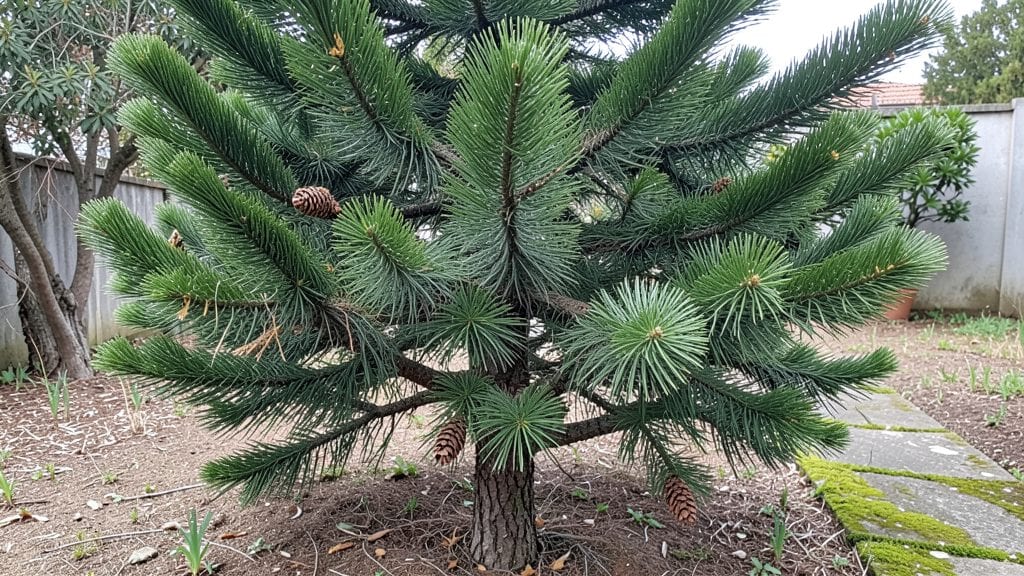
The Curitiba Botanical Garden features over 4,500 plant species across 42 hectares, including rare orchids, bromeliads, and the iconic Japanese Garden, all while promoting eco-friendly urban landscaping. It stays open daily with free admission and guided tours.
The Curitiba Botanical Garden stands out as a global leader in botanical preservation, where 42 hectares of meticulously curated landscapes house some of the rarest tropical species in the world. 🌿 Beyond its stunning displays, the garden plays a vital role in conservation, particularly for native Brazilian flora threatened by deforestation.
The climate-controlled glasshouses allow visitors to explore humid tropical environments year-round, creating a microclimate that protects delicate plants like the endangered blue orchid.
What makes this garden truly special is its seamless blend of nature and urban sustainability. The Japanese Garden, for instance, wasn't just designed for aesthetics—its water management system doubles as a stormwater runoff solution for the city.
This dual-purpose approach is why many botanists and eco-tourists consider it a model for sustainable urban green spaces. Plus, the free guided tours often reveal lesser-known facts about the garden's history, like how it was originally established in 1888 as a scientific research hub before becoming a public treasure.
💡 In This Article
- Biodiversity and Rare Plant Collections in Curitiba’s Garden
- Best Times to Visit and Hidden Paths for Garden Lovers
Biodiversity and rare plant collections in Curitiba’s garden
The garden’s orchidarium is a global treasure, housing over 600 species of orchids, including Brazil’s blue orchid (Cattleya labiata), a critically endangered species with fewer than 1,000 specimens left in the wild.
These plants thrive in the garden’s climate-controlled glasshouses, where humidity hovers around 70-80% and temperatures stay between 75-85°F—mimicking their natural tropical habitats. The glasshouses use a double-layered ventilation system to prevent condensation buildup, which could harm delicate blooms. 🌸
Beyond orchids, the garden’s fern house showcases 300+ fern species, including the giant Brazilian fern (Alsophila setosa), whose fronds can reach 10 feet long.
These plants rely on the garden’s high-moisture microclimate, achieved through automated misting systems that release 1-2 liters of water per hour across the collection.
The fern house also serves as a research hub for studying epiphytic plants—species that grow on other plants—helping scientists understand their symbiotic relationships with host trees.
The garden’s conservation efforts extend to native Brazilian flora, like the jequitibá-rosa (Cariniana legalis), a towering tree whose wood was historically used in shipbuilding. Curitiba’s botanists have successfully propagated 12 endangered tree species here, using a technique called tissue culture to grow plants from just a few cells.
This method has a 95% success rate for rare species, compared to traditional seedling methods, which often fail due to fungal infections in the soil. 🌳
Visitors often overlook the Japanese Garden’s botanical significance, where 200+ plant species are arranged according to traditional wabi-sabi aesthetics. The garden’s pond ecosystem supports 15 species of aquatic plants, including the water hyacinth (Eichhornia crassipes), which helps filter runoff while adding vibrant purple blooms.
Unlike many ornamental gardens, this section prioritizes functional biodiversity, with each plant serving a purpose—whether it’s erosion control or pollinator support.
One standout feature is the bromeliad collection, featuring 150+ species, including the queen of the night (Selenicereus grandiflorus), which blooms only once every 10 years.
The garden’s curators track each plant’s life cycle, using data loggers to monitor soil pH (4.5-5.5) and light exposure, ensuring optimal growth. This precision farming approach has helped increase the collection’s blooming rate by 40% over the past decade. 💫
For those curious about the science behind preservation, the garden’s seed bank stores 5,000+ seed samples from endangered species, with a 98% viability rate after 20 years of storage.
This long-term preservation is critical for species like the golden ipê (Handroanthus chrysanthus), whose seeds lose viability within 3 months if not stored properly. The bank uses low-temperature desiccation, a method that slows metabolic activity to near-zero, allowing seeds to remain dormant for decades.