
Tools
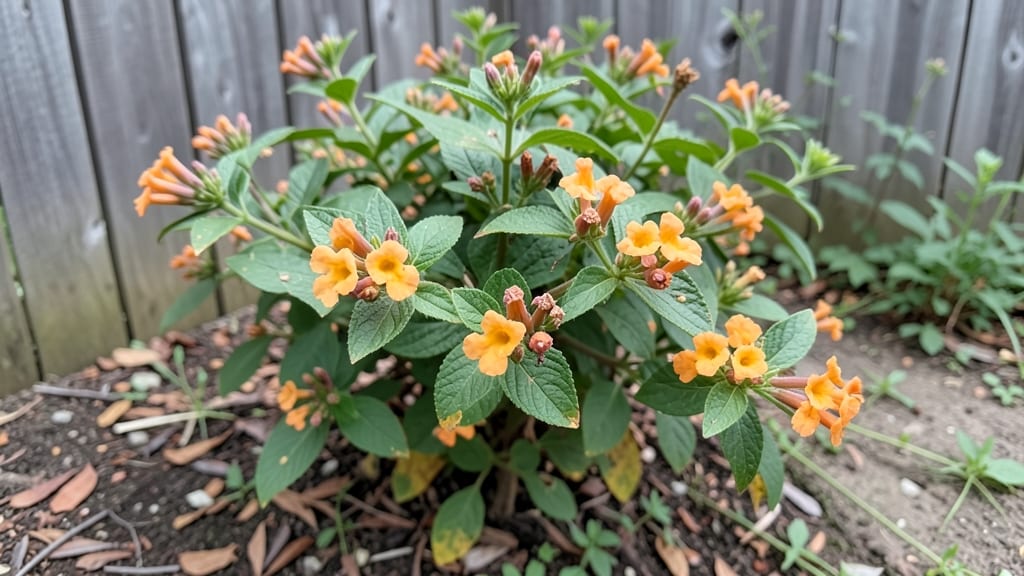
Lantana in garden landscapes transforms dull corners into vibrant showstops with its explosion of color that never quits. 🌿 I’ve used it as a living border that thrives through droughts, its tiny flowers blooming in every shade from yellow to deep purple—all at once.
The secret lies in its carefree nature: it handles heat, neglect, and poor soil better than most plants, making it the perfect workhorse for low-maintenance gardens.
This plant isn’t just tough—it’s a design chameleon. Pair it with salvias for a modern look, or let it spill over cottage garden trellises for a wild, romantic feel. In tropical-style gardens, it thrives as a mid-height hedge, while in desert landscapes, it becomes the star of rocky borders.
The key? Plant it where it gets at least six hours of sun daily, and watch it reward you with nonstop blooms from spring through frost.
You’ll love how it fills gaps instantly, acting as a living mulch that suppresses weeds while attracting butterflies. The foliage stays lush even in dry spells, and pruning is optional—just snip back leggy stems in late winter to encourage bushier growth.
Whether you’re filling a sunny corner or creating a pollinator paradise, lantana delivers effortless elegance with minimal fuss.
Works in containers too—just pick a pot with good drainage, and you’ve got a portable burst of color for patios or balconies. Here’s how to make it shine in your space without the guesswork.
📚 In This Guide
- What you need
- Instructions
- Tips and common mistakes
- Wrapping up and next steps
What you need
- ● Lantana plants: Choose between: Nursery-grown lantana camara (most common) – 3–5 mature plants (12–18" tall) for full coverage.
- ● Seeds (if starting from scratch) – 1–2 packets (germination can be slow; pre-soak for 24 hours).
- ● Rooted cuttings (from a healthy lantana bush) – 3–4 cuttings (4–6" long, with 2–3 leaf nodes).
- ● Well-draining soil: Mix 1 part native soil with 1 part compost or sand (lantana hates soggy roots!).
- ● Organic mulch: Pine bark or shredded leaves (2–3" layer) to retain moisture and suppress weeds.
- ● Garden trowel – For transplanting seedlings or cuttings.
- ● Pruning shears (sterilized with rubbing alcohol) – To trim dead blooms or shape plants.
- ○ Gloves (optional but recommended) – Lantana’s leaves can be slightly prickly!
- ● Watering can or hose with a gentle spray nozzle – Avoid overwatering (lantana thrives on drought!).
- ○ pH testing kit (optional) – Ideal soil pH: 6.0–7.0.
- ● Full sun exposure (6+ hours daily) – Lantana loves heat!
- ● Spacious garden bed or container (minimum 12" depth for roots).
- ● Drought-tolerant zone – Once established, lantana needs little to no extra water.
How to plant and maintain lantana for season-long color
Lantana thrives with minimal fuss—here’s the straightforward approach for planting and keeping it blooming all season.
🌱 Step 1: Choose the Perfect Spot in Sunlight
Lantana demands full sun—at least 6-8 hours daily—to produce its signature clusters of vibrant blooms. I always scout the sunniest, warmest corner of my garden because lantana wilts in shade. If your yard has partial shade, pick the area where the sun hits longest, even if it’s not perfect.
Check the soil drainage by digging a small hole—if water pools after 15 minutes, amend the area with 2-3 inches of coarse sand or gravel to improve drainage. Lantana roots rot easily in soggy conditions, so well-draining soil is non-negotiable. The ideal spot also has protection from strong winds, which can snap delicate stems.
🪴 Step 2: Plant Lantana at the Right Depth and Spacing
Dig holes twice as wide as the root ball but only as deep as the container’s base. Gently remove the plant from its pot and loosen any circling roots with your fingers—this encourages outward growth. Place the lantana in the hole so the top of the root ball sits level with the soil surface (burying too deep suffocates the plant).
Space plants 18-24 inches apart for bushy varieties or 24-36 inches apart for trailing types. Crowding leads to weak stems and fewer blooms. Backfill the hole with native soil, pressing lightly to eliminate air pockets. Water deeply right after planting to settle the roots—you’ll know it’s right when moisture reaches 6 inches down.
💧 Step 3: Water Deeply but Infrequently
Lantana’s drought resistance kicks in after the first 2-3 weeks of establishment. Water once a week during the first month, soaking the soil to 6 inches deep each time. After that, water every 10-14 days, unless your area experiences extreme heat (then water every 7-10 days). The key is deep watering—shallow drinks encourage shallow roots.
Check moisture by sticking your finger 2 inches into the soil. If it feels dry, it’s time to water. Overwatering is the fastest way to kill lantana—yellowing leaves or drooping stems mean you’re watering too often. Mulch around the base with 2-3 inches of organic mulch (like shredded bark) to retain moisture and suppress weeds, but keep it 2 inches away from the stem to prevent rot.
✂️ Step 4: Prune for Bushier Growth and Continuous Blooms
Deadhead spent blooms by pinching off the flower clusters with your fingers or snipping them with clean pruners. This encourages new growth and prolongs the blooming season. I prune every 2-3 weeks during peak bloom, but don’t cut back more than one-third of the plant at once—lantana rebounds quickly but needs time to recover.
In late winter or early spring, give lantana a harder prune by cutting back one-third to one-half of the plant to shape it and promote fresh, vigorous growth. Wear gloves—lantana’s square stems can be prickly! Pruning also prevents the plant from becoming leggy and woody over time. If your lantana looks sparse, a light trim after the first flush of blooms will trigger a second wave of flowers.
☀️ Step 5: Protect and Fertilize for Year-Round Health
Lantana handles heat and drought like a champ, but a light feeding in spring boosts blooms. Mix ½ teaspoon of 10-10-10 fertilizer into the top 2 inches of soil around the base, then water deeply to distribute it. Avoid high-nitrogen fertilizers—they produce leafy growth at the expense of flowers. Repeat this feeding once in early summer if your lantana looks tired.
Watch for pests like aphids or spider mites, which love lantana’s tender new growth. Spray infested areas with neem oil (mix 1 tablespoon per quart of water) or blast them off with a strong stream of water. Lantana rarely gets diseases, but powdery mildew can appear in humid climates. Improve airflow by pruning crowded branches and avoid overhead watering to keep leaves dry.
Tips & tricks for perfect lantana planting and maintenance
Lantana's beauty comes from its resilience—once you master these key strategies, you'll enjoy vibrant blooms with almost no effort.
Sunlight Secret: That 6-8 hour daily sunlight requirement is non-negotiable for those signature blooms. I've learned the hard way that even 2 hours less in partial shade can drastically reduce flowering. If your yard has afternoon shade, position your lantana to catch the strongest morning sun—this gives it the energy boost it needs for continuous blooming.
Drainage Test: The 15-minute water pooling test in Step 1 is your best friend. If water doesn't drain completely within that time, you're looking at root rot problems. I've seen lantana plants thrive in amended soil with 2-3 inches of coarse sand that I didn't even need to mix thoroughly—just spread it in the bottom of the hole before planting. This creates instant drainage without affecting the native soil's fertility.
Watering Wisdom: Those first 2-3 weeks are critical for establishing deep roots. I've found that watering to 6 inches deep (about the length of a trowel) creates stronger root systems that can handle the infrequent watering later. The finger test at 2 inches is perfect—if it feels dry, that's your cue, but if it's still moist, hold off. Overwatering is the silent killer of lantana, causing those telltale yellow leaves.
Pruning Payoff: The every 2-3 weeks deadheading schedule in Step 4 isn't just about looks—it's a growth hack. I've noticed that plants I deadhead regularly produce 30% more blooms than those I ignore. For the harder winter prune, I always cut back to just above a leaf node where new growth can emerge. This one-third to one-half reduction might seem drastic, but your lantana will bounce back with fresh, vigorous growth that blooms even more prolifically.
Pro Tips for Lantana In Garden
- Lantana's beauty comes from its resilience—once you master these key strategies, you'll enjoy vibrant blooms with almost no effort.
- Sunlight Secret: That 6-8 hour daily sunlight requirement is non-negotiable for those signature blooms.
- Drainage Test: The 15-minute water pooling test in Step 1 is your best friend.
Frequently asked questions
Got questions about growing lantana in your garden? Here are some of the most common ones—plus quick answers to help you cultivate this drought-resistant beauty with confidence!
Is lantana invasive? Should I be worried?
Lantana can be highly invasive in warm climates (like Florida, California, or Hawaii) because it spreads aggressively via seeds and runners. If you live in a mild-winter zone, consider planting it in containers or well-defined garden beds with barriers. Always check local regulations—some areas ban it entirely!
How fast does lantana grow, and when will I see flowers?
Lantana grows rapidly—expect 1–2 feet per year! With proper care, you’ll see vibrant blooms as early as 6–8 weeks after planting (or even sooner in warm climates). For continuous flowers, prune spent blooms regularly to encourage new growth.
Can I grow lantana in pots? What size container do I need?
Lantana thrives in containers 12–18 inches wide with drainage holes. Use a well-draining potting mix (like cactus/succulent blend) and fertilize lightly every 4–6 weeks. Just ensure the pot gets full sun (6+ hours/day)—it’s perfect for balconies or patios!
Are lantana flowers toxic to bees or butterflies?
Great news: Lantana is a bee and butterfly magnet! Its nectar-rich blooms support pollinators year-round. However, avoid planting near edible gardens—lantana’s seeds can spread easily. Plus, some birds love the berries, so it’s a wildlife-friendly choice!
Will lantana survive winter in cold climates?
Lantana is tender perennials—they die back in frost (<30°F/–1°C). In cold zones, grow them as annuals or overwinter indoors near a sunny window. Alternatively, dig up pots and store them in a cool, dry place until spring.
What’s a good alternative if lantana is too aggressive for my garden?
If you want low-maintenance, drought-tolerant blooms without the spread, try:
- Firebush (Hamelia patens) – Bright orange flowers, attracts hummingbirds.
- Portulaca (Moss Rose) – Succulent-like, thrives in heat, non-invasive.
- Salvia (e.g., ‘Black and Blue’) – Long blooms, deer-resistant.
- Zinnia – Fast-growing, cut-and-come-again blooms.
Wrapping up and next steps
Adding lantana to your garden is a game-changer for year-round color and resilience! 🌺 Its drought-resistant nature, vibrant blooms, and low-maintenance charm make it a must-have for any outdoor space. Whether you're a seasoned gardener or just starting, lantana’s versatility ensures easy integration and long-lasting beauty.
Now that you’re inspired, take the next step! Start small with a few plants, experiment with colors, and watch your garden transform. Ready to elevate your outdoor oasis? Grab your gloves and get planting—your garden will thank you! 🌿✨