Landscaping
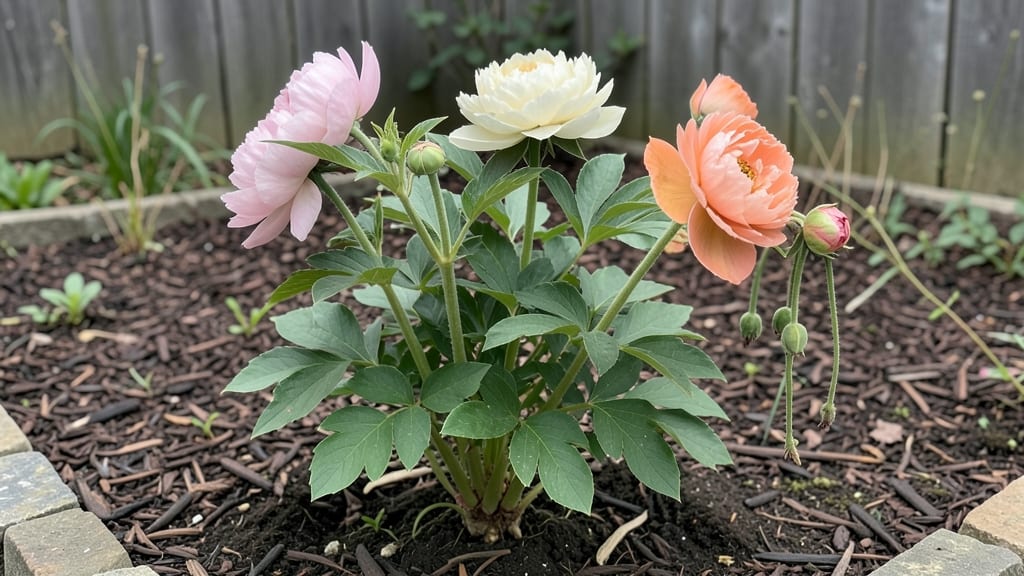
Creating a landscaping peony garden starts with those first blush-pink buds pushing through the soil in early spring—it’s the kind of magic that makes gardeners fall in love all over again. 🌸 The secret isn’t just planting peonies; it’s designing a space where their lush foliage and intoxicating fragrance take center stage while working with (not against) their natural growth habits.
I’ve learned the hard way that cramming too many varieties in one spot leads to overcrowding and fewer blooms, so spacing matters more than most gardeners realize.
Peonies thrive when paired with the right companions—think lavender for its drought tolerance and salvia for its vertical contrast, both of which echo the garden’s soft, romantic palette.
A gravel path meandering through the beds keeps the space accessible while preventing soil compaction, and a low boxwood hedge defines the edges without stealing attention from the star.
The key is balancing structure with drama: let the peonies spill over slightly, but contain them enough to create that curated, "I-planned-this" look.
By late summer, your garden will be a fragrant sanctuary where every stroll past the peonies feels like stepping into a living painting—deep pinks, creamy whites, and coral blooms all competing for space in the best way.
The foliage stays lush long after the flowers fade, providing seasonal interest, and the roots, once established, become nearly indestructible. You’ll spend less time fussing over maintenance and more time enjoying the results, which is exactly how a garden should feel.
Whether you’re working with a small city courtyard or a sprawling backyard, the principles stay the same: prioritize sunlight, choose varieties that complement each other, and give the plants room to breathe.
The payoff? A garden that not only returns year after year but becomes the heart of your outdoor space. Ready to design yours?
📚 In This Guide
- What you need
- Instructions
- Tips and common mistakes
- Wrapping up and next steps
What you need
- ● Peony plants: 5-10 herbaceous or tree peony roots (choose varieties like 'Sarah Bernhardt' or 'Bowl of Beauty' for vibrant blooms).
- ● Well-draining soil: 5-10 cubic yards of loamy, slightly alkaline soil (pH 6.5-7.5). Amend with compost or aged manure for fertility.
- ● Organic mulch: 2-3 cubic yards (e.g., wood chips or straw) to retain moisture and suppress weeds.
- ● Fertilizer: Balanced 10-10-10 or low-phosphorus (5-10-10) fertilizer for planting, plus slow-release granules for spring.
- ● Garden tools: Shovel or spade
- ● Garden fork (for aerating soil)
- ● Pruners (sterilized)
- ● Gloves (heavy-duty for digging)
- ● Wheelbarrow (for hauling soil/mulch)
- ○ Support structures (optional but helpful): Peony rings or stakes (if growing tall varieties like tree peonies).
- ● Soil test kit: To check pH and nutrient levels before planting.
- ● Drip irrigation system: For consistent watering (peonies hate soggy roots!).
- ● Companion plants: Bulbs like daffodils or tulips for early-season color, or perennials like lavender for texture.
- ● Edging materials: Stones, bricks, or metal borders to define garden beds.
- ● Seasonal fertilizers: Epsom salt (for magnesium) or fish emulsion for mid-season boosts.
Step-by-step instructions for designing a low-maintenance peony garden
Peonies thrive with minimal fuss once planted correctly—here's how to create a fragrant, perennial display that rewards you for years.
🌱 Step 1: Select the Perfect Planting Location
Peonies demand full sun—at least 6-8 hours daily—to bloom reliably. Scan your yard for spots with morning sun and afternoon shade, as direct afternoon heat can scorch leaves. I always test a location for a full week first, marking areas where sunlight lingers past 4 PM—those spots work best.
Choose a site with well-draining soil, as peonies rot in soggy conditions. If your soil feels heavy when squeezed, amend with 2-3 inches of compost mixed into the top 12 inches of soil. The roots need room to establish deep, so avoid compacted areas like heavily trafficked paths or low-lying depressions.
🪴 Step 2: Plant Bare-Root Peonies at the Right Depth
Peonies ship as dormant, bare-root plants in early spring. Soak the roots in lukewarm water for 2-3 hours before planting to rehydrate them—you’ll see the buds plump slightly when ready. Dig holes 2-3 feet apart (closer spacing works for dwarf varieties) to give mature plants room to spread.
Position the plant so the "eyes"—the swollen buds at the base of the stems—sit 1-2 inches below soil level. Planting too deep delays blooming, while shallow planting exposes roots to temperature swings. Backfill with native soil, firming gently to eliminate air pockets. Water deeply immediately after planting to settle the soil and encourage root contact.
☀️ Step 3: Mulch and Protect New Plantings
Spread a 3-inch layer of mulch around each plant, keeping it 6 inches away from the stem to prevent rot. I use shredded bark or straw, which breaks down slowly while suppressing weeds. Mulch also insulates roots in winter, protecting tender new growth from freeze-thaw cycles.
For the first growing season, shield peonies from harsh winds, which can desiccate leaves and buds. Install a temporary bamboo windbreak if needed—just a few stakes and mesh will do. Avoid heavy pruning in the first year; let the plant focus on root establishment. You’ll see first blooms in year 2 or 3, but patience pays off with stronger stems and larger flowers.
✂️ Step 4: Prune and Maintain for Long-Term Health
Peonies bloom on old wood, so prune only after flowers fade. Cut stems back to 1 inch above the ground in early fall, removing any blackened or diseased foliage. This prevents fungal spores from overwintering and keeps the garden tidy. I always sterilize my pruners with rubbing alcohol between cuts to avoid spreading pathogens.
Fertilize lightly in early spring with 5-10-10 granular fertilizer, scattering a handful around the base and watering it in. Over-fertilizing produces lush foliage but fewer blooms. Watch for aphids or peony leaf blight—early signs include curled leaves or black spots. Treat with neem oil or remove affected leaves immediately to protect the plant’s vigor.
🌿 Step 5: Divide and Propagate Every 5-7 Years
Peonies multiply over time, and clumps become overcrowded after 5-7 years, which reduces flower size. Dig up the plant in early fall, separating the roots with a clean spade. Each division should have 3-5 eyes and a healthy root system. Replant divisions immediately in their new location, watering deeply to reduce transplant shock.
Here’s the thing—peonies hate being moved once established. If you’re unsure about a spot, test it with a temporary marker for a full season first. Once planted, they’ll reward you with decades of blooms, making them one of the most low-maintenance yet stunning perennials for any garden.
Tips & tricks for perfect peony garden landscaping
A few strategic moves can transform your peony garden from good to spectacular—here's what I've learned after years of trial and error.
Sunlight Secret: That 6-8 hour daily sun requirement isn't just about blooms—it's about survival. I've seen peonies in partial shade produce fewer flowers, but more critically, they develop weak stems that flop under rain. Test potential spots for a full week first: mark areas where sunlight extends past 4 PM. These spots give you the perfect balance of morning energy and afternoon protection.
Planting Precision: Getting those "eyes" positioned 1-2 inches below soil level is non-negotiable. I learned this the hard way—planting too deep delayed my first blooms by two full years. Use a ruler to measure from the soil line down to the eyes after backfilling. The roots need this depth to establish properly while keeping the buds accessible to sunlight.
Mulch Mastery: That 3-inch layer of mulch isn't just for looks—it's your peony's winter blanket. I've seen plants in unmulched beds suffer from freeze-thaw cycles that heave roots out of the ground. Keep mulch 6 inches away from stems to prevent rot, and refresh it annually. The best mulches break down slowly (shredded bark or straw) while suppressing weeds that compete for nutrients.
Pruning Protocol: Wait until flowers fade completely before cutting back to 1 inch above ground. I used to prune too early, and my plants developed weak stems the next season. Sterilize your pruners between cuts with rubbing alcohol—this simple step prevents spreading fungal spores that cause peony leaf blight. The early fall timing lets the plant store energy for next year's blooms.
Pro Tips for Landscaping Peony Garden
- A few strategic moves can transform your peony garden from good to spectacular—here's what I've learned after years of trial and error.
- Sunlight Secret: That 6-8 hour daily sun requirement isn't just about blooms—it's about survival.
- Planting Precision: Getting those "eyes" positioned 1-2 inches below soil level is non-negotiable.
Frequently asked questions
Got questions about creating your dream landscaping peony garden? You’re not alone! Here are some of the most common queries—plus expert answers to help you bloom with confidence.
When is the best time to plant peonies for a thriving garden?
The ideal time to plant peonies is in early fall (September–October) or early spring (March–April), when soil is cool but workable. This gives roots time to establish before extreme heat or cold. If planting in spring, aim for before buds swell—otherwise, they may struggle to adapt.
How do I keep my peonies blooming year after year?
Peonies are perennials, but they need care to thrive long-term:
- Deadhead spent blooms (but leave foliage until late fall to feed roots).
- Plant in full sun (6+ hours/day) with well-draining soil.
- Avoid over-fertilizing—too much nitrogen = fewer blooms!
- Divide clumps every 5–7 years to prevent overcrowding.
Are peonies deer- or pest-resistant? What should I watch for?
Peonies are deer-resistant (thanks to their toxic sap), but watch for:
- Peony leaf blight (fuzzy gray mold)—remove infected leaves immediately.
- Japanese beetles (they devour petals!). Handpick or use neem oil.
- Ants (they farm aphids on peony buds—hose them off!).
Can I grow peonies in containers? What’s the best setup?
Yes! Use a large container (at least 12" deep) with drainage holes and a mix of:
- 60% garden soil
- 30% compost
- 10% perlite or sand (for drainage).
Do peonies survive harsh winters? How do I protect them?
Peonies are hardy (USDA Zones 3–8), but young plants or extreme cold (<10°F) may need help:
- Mulch with 3–4 inches of straw or leaves after the first frost.
- Avoid heavy mulch in spring—remove it once buds appear.
- In Zone 9+, provide afternoon shade to prevent heat stress.
What’s the fastest way to get a full peony garden on a budget?
Start with bare-root peonies (cheaper and easier to plant than potted ones). For a lush look:
- Buy 3–5 plants of the same variety for a cohesive display.
- Plant in groups of 3–5—they multiply over time!
- Choose herbaceous peonies (die back in winter) for faster ground cover.
- Save money by dividing and sharing established clumps with friends.
Wrapping up and next steps
Creating a landscaping peony garden is a rewarding journey that brings beauty, fragrance, and lasting joy to your outdoor space. With the right preparation—from soil prep to plant selection—your peonies will thrive for years, gracing your garden with vibrant blooms and intoxicating scents. 🌸
Now that you’re inspired, take the next step: sketch your design, gather your tools, and start transforming your space into a fragrant paradise! Whether you’re a seasoned gardener or a beginner, every bloom you nurture will be a testament to your effort—and the payoff is worth it.