
Pruning
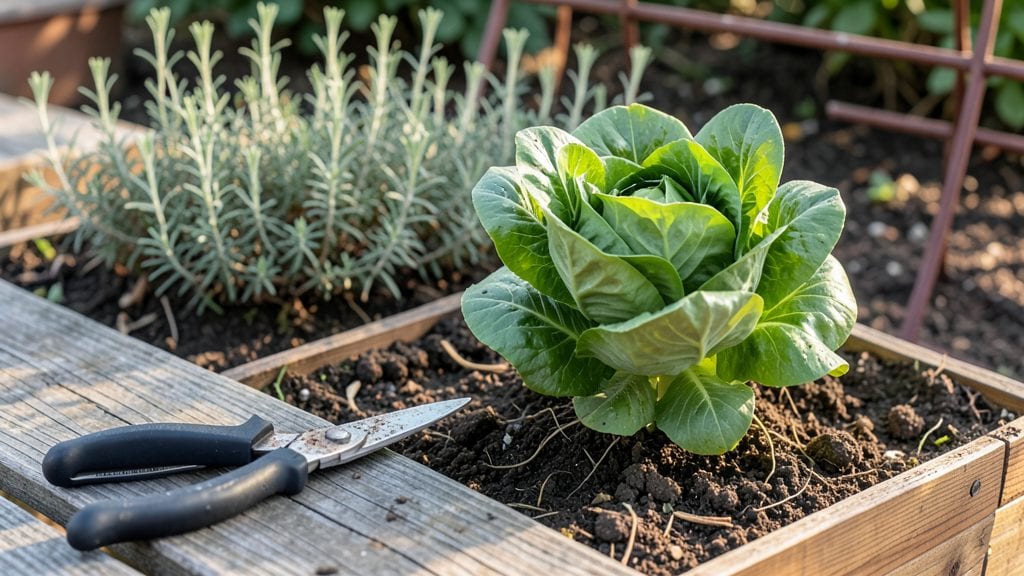
Learning how to trim lettuce from the garden the right way can turn a single harvest into a season of fresh greens—just don’t pull the whole plant, or you’ll watch it bolt in days.
The secret is cutting leaves at the base, not tearing them out, and knowing when to stop.
You only need two things: sharp scissors or clean pruners, and a sunny morning when the leaves are crisp. For loose-leaf varieties, snip outer leaves down to the next set of leaves; for head lettuce, cut the entire head just above the soil line.
The goal is to leave the plant with energy to regrow, not to strip it bare.
Within a week, you'll see new growth pushing through the soil, and the remaining plant will stay productive for weeks. The stems stay crisp, the leaves regenerate, and you avoid the bitter taste that comes from over-mature lettuce.
This method works for both spring and fall plantings, giving you harvests when store-bought greens are scarce.
Fair warning: head lettuce won't regrow like loose-leaf types, but you can still harvest baby leaves from the center after cutting the main head. The key is consistency—trim regularly, and your lettuce will keep producing long after most gardeners have given up.
Here's how to do it without killing your plants.
📚 In This Guide
- What you need
- Instructions
- Tips and common mistakes
- Wrapping up and next steps
What you need
- ● Sharp pruning shears or garden scissors – Choose bypass pruners (not anvil-type) for clean cuts; 4-6 inch blades are ideal for lettuce.
- ● Clean, sharp kitchen knife or razor blade – A serrated or straight-edged knife (3-4 inch blade) works well for precision trimming indoors.
- ○ Gloves (optional but recommended) – Lightweight gardening gloves protect hands from dirt and thorns (especially for varieties like romaine).
- ● Spray bottle with water – Keeps lettuce hydrated and reduces stress during trimming.
- ● Cutting board or clean surface – A stable, flat board (preferably plastic or wood) prevents slipping and protects your countertop.
- ● Plastic bag or container – For storing trimmed lettuce (use a ventilated bag if storing for later).
- ● Compost bin or small bucket – For trimmings that can’t be regrown (e.g., wilted outer leaves).
- ● Disinfectant spray (e.g., rubbing alcohol or bleach solution) – Wipe tools between cuts to prevent disease spread (1 part bleach to 9 parts water).
- ● Hairspray or water mist bottle – Lightly spritz lettuce stems post-cut to slow wilting.
- ● Labeling tags or markers – If harvesting multiple varieties, label trimmed heads for easy identification.
- ● Salad spinner or colander – For rinsing and drying trimmed lettuce before storage.
Instructions for trimming lettuce from garden
Here's how to keep your lettuce thriving with clean cuts that encourage fresh regrowth.
Choose the Right Time for Trimming
Pick a cool morning after dew has dried but before the midday sun intensifies. Lettuce handles trimming best when the leaves are crisp and fully mature—usually about 30-45 days after planting. Avoid trimming during heatwaves or drought; stressed plants won’t regrow well. You’ll know it’s time when the outer leaves reach 4-6 inches in length.
Check the weather forecast too. If rain is expected within 24 hours, wait to trim. Wet leaves can develop fungal issues if cut while damp. I always trim just before watering to give the plant a fresh start with moisture.
Use the Proper Tools for Clean Cuts
Sharp, clean scissors or pruning shears are your best tools—never tear leaves by hand. Dull blades crush stems and invite rot. Before you start, wipe your tools with rubbing alcohol to sterilize them. This prevents spreading disease between plants.
Hold the scissors at a 45-degree angle about ½ inch above a leaf node (the small bump where leaves grow). This angle helps water run off the cut and encourages new growth from the node. If you’re harvesting the entire head, cut just above the base where the stem meets the soil.
Harvest Outer Leaves for Continuous Growth
Focus on removing the outer leaves first, leaving the inner, younger leaves intact. These inner leaves will continue growing while the outer ones regenerate. You’ll see the plant’s growth pattern—older, larger leaves on the outside and tender, tender new growth toward the center.
Leave at least three inner leaves to keep the plant healthy. If you cut too aggressively, the lettuce may bolt (send up a flower stalk) or wilt from shock. Watch for yellowing leaves—this signals over-harvesting or stress. A well-maintained lettuce plant can provide 4-6 harvests over its lifetime.
Maintain After Trimming for Best Results
Water the lettuce deeply right after trimming to help it recover. Aim for 1 inch of water per week, delivered at the base of the plant to avoid wetting the leaves. Mulch around the base with 2-3 inches of organic mulch to retain moisture and keep soil temperatures stable.
Fertilize lightly with a balanced, water-soluble fertilizer (like 10-10-10) diluted to half strength. Over-fertilizing can cause bitter taste and rapid bolting. I like to add a handful of compost around the base instead—it feeds the soil slowly and improves texture for regrowth.
Monitor for Regrowth and Repeat
Within 5-7 days, you should see new growth emerging from the center. If the lettuce bolts (sends up a tall stalk), it’s past its prime for leaf production. In this case, harvest the remaining leaves quickly and replace the plant if you want more.
Continue trimming outer leaves every 1-2 weeks as they mature. The key is balance—never remove more than ⅓ of the plant at once. With proper care, your lettuce will stay productive well into the cooler months, giving you fresh harvests long after store-bought options wilt.
Tips & tricks for perfect lettuce trimming
A few key strategies will help you maintain healthy lettuce plants while maximizing your harvest. These simple techniques make all the difference between a plant that thrives and one that struggles to recover.
Timing is Everything: The 30-45 day window mentioned in Step 1 is crucial for harvesting at the perfect maturity. I've learned that waiting until leaves reach 4-6 inches gives you the best balance between size and regrowth potential. If you harvest too early, the leaves won't be flavorful enough, and if you wait too long, you risk bolting. Check the undersides of leaves for firmness - they should feel crisp but not brittle.
Tool Technique Matters: When using scissors at that 45-degree angle in Step 2, imagine you're making a clean diagonal cut. The angle isn't just about aesthetics - it creates a larger surface area for water absorption and reduces the risk of disease entering the plant. I always keep a small bowl of rubbing alcohol nearby to quickly sterilize my tools between plants, especially when working with multiple lettuce varieties in the same garden.
Regrowth Strategy: In Step 3, leaving those three inner leaves is non-negotiable for maintaining plant health. I've seen lettuce plants completely collapse after aggressive harvesting, so I mark the three central leaves with a small piece of colored string if I'm unsure which ones to leave. This visual cue helps me avoid over-trimming, especially when working with multiple plants. The string dissolves naturally with watering, so it's completely harmless.
Post-Trimming Care: The deep watering and mulching in Step 4 are your plant's recovery team. After trimming, I often add a thin layer of straw mulch around the base - it helps maintain even soil moisture and temperature while looking natural. For the fertilizer, I've found that compost tea works even better than diluted 10-10-10 for gentle nourishment. Apply it to the soil surface rather than pouring it directly on leaves to prevent burning.
Pro Tips for Trim Lettuce From Garden
- A few key strategies will help you maintain healthy lettuce plants while maximizing your harvest.
- Timing is Everything: The 30-45 day window mentioned in Step 1 is crucial for harvesting at the perfect maturity.
- Tool Technique Matters: When using scissors at that 45-degree angle in Step 2, imagine you're making a clean diagonal cut.
Frequently asked questions
Got questions about trimming lettuce like a pro? Here are some of the most common ones—plus quick, actionable answers to keep your garden thriving!
When is the best time to trim lettuce for regrowth?
Trim lettuce when the outer leaves reach about 4–6 inches tall—this gives the plant energy to regrow. Avoid cutting more than one-third of the plant at once, or you risk stressing it. Early morning trims (after dew dries) work best, as the leaves are crisp and hydrated.
Can I use regular scissors or do I need pruning shears?
Both work! Scissors or clean kitchen shears are fine for small gardens, but pruning shears (or sharp garden scissors) make cleaner cuts and reduce tearing. Just sterilize your tools with rubbing alcohol first to prevent disease spread.
What if my lettuce bolts or tastes bitter after trimming?
Bolting (sending up a flower stalk) happens when lettuce feels stressed—too much heat, lack of water, or over-trimming are common culprits. To fix it: harvest the outer leaves immediately, move the plant to partial shade, and keep soil moist. For bitter flavor, try loose-leaf varieties like Buttercrunch, which bolt less easily.
How do I know if I’ve cut too much lettuce?
If the plant looks wilting, yellow, or slow to regrow, you’ve likely overtrimmed. A healthy lettuce should bounce back in 7–10 days with new growth. Next time, leave the inner leaves intact (they’re the plant’s energy source!) and focus on the outer 30%.
What should I do with trimmed lettuce leaves?
Don’t waste those cuttings! Use them immediately in salads, sandwiches, or smoothies for peak freshness. Store extras in a damp paper towel in the fridge for up to 5 days, or blanch and freeze for longer storage. Bonus: Wilted leaves make great compost or pest repellent!
Wrapping up and next steps
Trimming your garden lettuce isn’t just about harvesting—it’s about encouraging healthier, more abundant growth while keeping your greens crisp and delicious. With the right tools, techniques, and timing, you’ll master the art of clean cuts that benefit both your plants and your plate.
Now that you’re equipped with the know-how, grab those shears and get trimming!
Ready for the next step? Try experimenting with succession planting—harvest a little, let it regrow, and repeat for a steady supply of fresh lettuce all season long. Happy gardening! 🌱✨