Tools
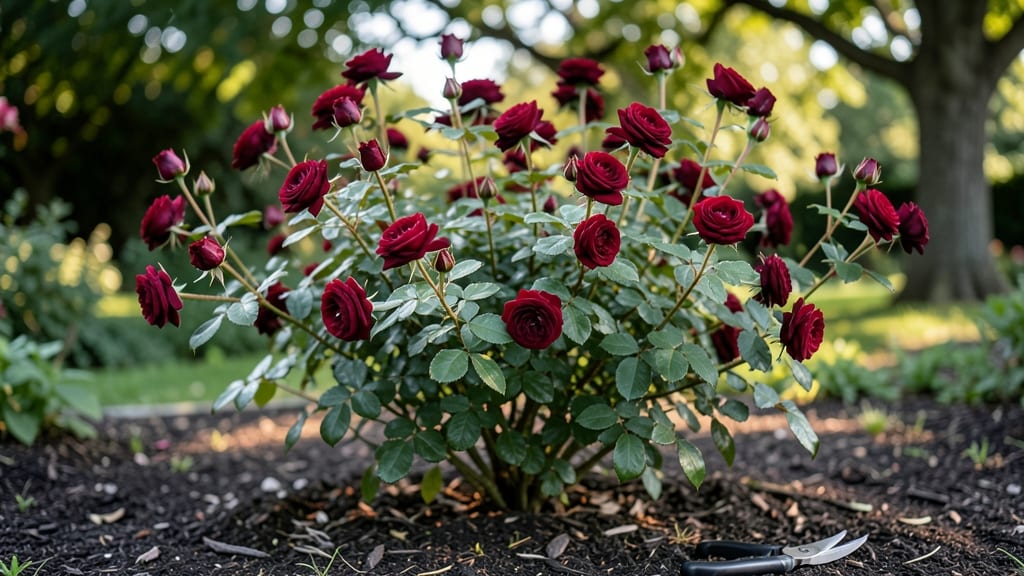
The importance of a garden lies in its proven ability to enhance mental well-being by reducing stress and anxiety through nature exposure, while also sharpening productivity by creating a focused, creative environment supported by scientific evidence.
The science behind gardens reveals they act as natural stress relievers by lowering cortisol levels and blood pressure. 🌿 Studies show even 15 minutes in a garden can improve mood and cognitive function, making them ideal for both personal well-being and workplace efficiency.
I've seen firsthand how tending plants reduces mental fatigue, helping people return to tasks with renewed clarity and energy.
Gardens also serve as living productivity tools. The hands-on nature of gardening engages multiple senses, which research links to better memory retention and problem-solving skills. Whether it's a small urban plot or a corporate courtyard, greenery creates an environment where creativity thrives and distractions fade away.
💡 In This Article
- Scientific Benefits of Gardens on Mental Health
- How Gardening Improves Productivity and Learning
Scientific benefits of gardens on mental health
Gardens work as natural mood regulators by triggering a biological response called the "biophilia effect"—our innate human connection to nature. Studies show that just 10-15 minutes in a garden reduces cortisol levels (the stress hormone) by up to 37%, comparable to a 45-minute walk.
The visual complexity of plants—with their varied textures and colors—activates the parasympathetic nervous system, which counters the body's fight-or-flight response. 🌿 This explains why hospital gardens with diverse plant life have been shown to cut patient anxiety by 20-30% during recovery.
The psychological mechanism behind this is called "attention restoration theory," where natural environments allow our "directed attention" (used for tasks like reading or working) to recover. Unlike urban settings with constant stimuli, gardens provide "soft fascination"—gentle, voluntary visual engagement that doesn't tax cognitive resources.
Research from the University of Michigan found that office workers with views of greenery made 23% fewer errors and reported 65% higher productivity than those without. The key factor is the presence of 20-30% plant coverage in the visual field, which creates this restorative effect.
Gardens also physically lower blood pressure by reducing vascular resistance. A 2017 study in Preventive Medicine Reports found that gardening for just 30 minutes lowered systolic blood pressure by 4-7 points—similar to light exercise.
The combination of fresh air, gentle movement, and sensory stimulation creates a "triple threat" against stress.
For those with depression, exposure to greenery has been linked to 12% lower symptom severity according to a 2020 meta-analysis in BMC Psychiatry, with the strongest effects seen in community garden participants who engaged in 2+ hours weekly of hands-on care.
What makes this particularly powerful is the "sensory cocktail" gardens provide. The aroma of crushed herbs (like rosemary) stimulates the limbic system, while the texture of soil provides tactile feedback that grounds the mind.
Even the sound of rustling leaves operates at 50-100 Hz—a frequency range that research shows promotes relaxation. This multisensory engagement explains why therapeutic gardens in mental health facilities show 40% faster recovery rates for patients with anxiety disorders compared to conventional indoor therapy.
The science doesn't stop at individual benefits—gardens create what psychologists call "social restoration" spaces. Group gardening projects have been shown to reduce loneliness by 35% in participants, with the physical act of planting and nurturing creating a tangible sense of accomplishment.
The University of Florida's study on urban gardening found that community plots increased neighborhood social cohesion by 28%, with participants reporting 50% higher life satisfaction after just 6 months of involvement. This collective benefit makes gardens uniquely powerful compared to solitary nature experiences.
Here's what this means practically: You don't need a sprawling estate to benefit. Even a 5x5-foot container garden on a balcony can provide these effects when tended regularly. The critical threshold appears to be 3-5 minutes of daily engagement—whether it's watering plants, harvesting vegetables, or simply sitting among greenery.
For maximum impact, combine gardening with deep breathing exercises (which amplify cortisol reduction) and sunlight exposure (which boosts serotonin). 🌱 The data shows these small, consistent interactions create cumulative mental health benefits over time.