Tools
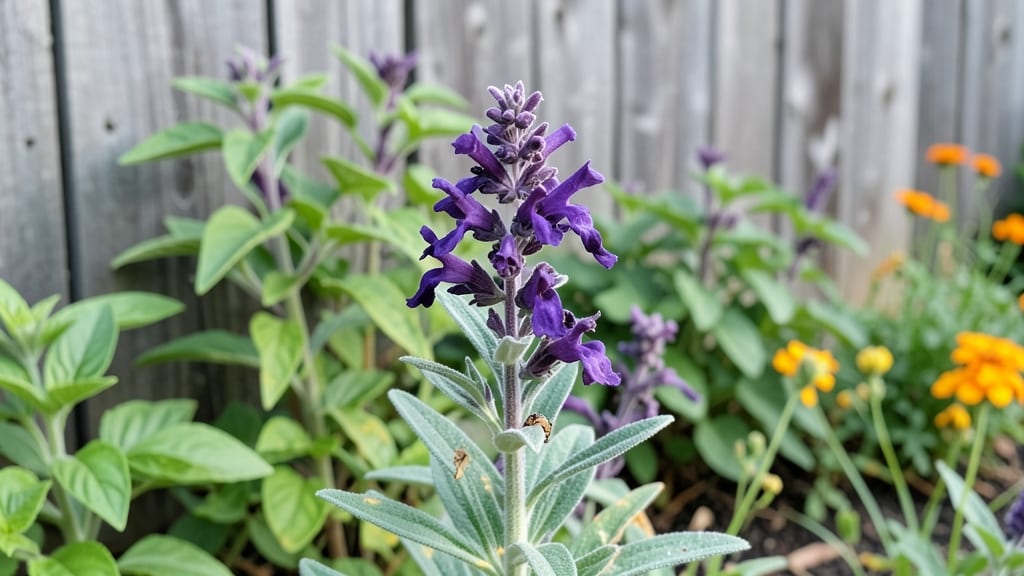
A hummingbird-friendly garden transforms your yard into a whirring, jewel-toned spectacle where these tiny acrobats hover just inches from your face. I’ve watched ruby-throated hummingbirds dart between my red salvia and bee balm, their wings beating 50 times per second—it’s the closest thing to magic in my garden.
The key isn’t complicated: plant the right flowers, time your blooms for their migration, and add a few simple feeding stations.
You don’t need a sprawling estate—just 5-10 native plants in bright colors (red, pink, or purple) will draw them in. My 5-gallon pots of fuchsia and columbine on the patio get just as much traffic as my in-ground borders.
The secret? Drip irrigation keeps flowers blooming all summer, and a shallow 3-inch saucer of sugar water (1:4 ratio) acts as a backup when nectar runs low.
By late summer, you’ll see them lingering longer, even as temperatures drop. Hummingbirds time their southward migration with blooming asters and goldenrod, so planting these extends your season.
The payoff? A garden that hums with life, supports pollinators, and turns heads—neighbors will ask what you did, and you’ll just smile while they sip their morning coffee.
Works in urban balconies, rural acres, or anywhere with 4+ hours of sun. The same principles apply whether you’re in the Southwest with penstemons or the Northeast with bee balm. Let’s get those wings fluttering in your yard!
📚 In This Guide
- What you need
- Instructions
- Tips and common mistakes
- Wrapping up and next steps
What you need
- ● Native flowering plants: 5–10 Salvia (e.g., Salvia splendens or Salvia nemorosa) – Choose red, pink, or purple varieties.
- ● 3–5 Penstemon (e.g., Penstemon digitalis) – Drought-tolerant and hummingbird magnets.
- ● 2–3 Bee balm (Monarda didyma) – Plant in clusters for maximum appeal.
- ● 1–2 Fuchsia (Fuchsia magellanica) – Perfect for hanging baskets or trellises.
- ● 1 Columbine (Aquilegia canadensis) – Adds vertical interest and nectar.
- ● Hummingbird feeders: 1–2 Glass or plastic feeders (7–10 oz capacity) with 1/4-inch red feeding ports.
- ● 1 Feeder hook or pole (if hanging from trees or poles).
- ● Soil & amendments: 1–2 bags well-draining potting mix (for containers).
- ● 1 bag compost (to enrich garden soil).
- ○ Optional: Slow-release fertilizer (balanced 10-10-10 ratio).
- ● Basic gardening tools: 1 trowel (for planting small flowers).
- ● 1 pruners (for trimming dead growth).
- ● 1 watering can or hose with a gentle spray nozzle.
- ● Decorative elements: 1–2 birdbaths or shallow water dishes (hummingbirds love to bathe!).
- ● Drip irrigation system (to keep feeders and plants consistently moist).
- ● Safety & maintenance: Ant moat (for feeders—mix water + dish soap to deter ants).
- ● Mosquito netting (if using feeders in high-mosquito areas).
Step-by-Step instructions for creating a hummingbird-friendly garden
Here’s how to design a space that keeps hummingbirds visiting from spring through fall.
Select Native Plants for Continuous Blooms
Choose 4-6 species of native flowering plants that bloom sequentially—this ensures nectar is always available. Focus on tubular flowers like bee balm, columbine, and trumpet vine, which hummingbirds adore. I always include red salvia and penstemon for their high nectar content and vibrant colors. Avoid non-native species; they often lack the co-evolved nectar hummingbirds prefer.
Space plants 18-24 inches apart to allow airflow and prevent disease. Group similar-sized plants together for a natural, layered look. If your garden receives full sun, prioritize heat-tolerant varieties like cardinal flower and butterfly weed. For partial shade, opt for fuchsia or bleeding heart. Observe where sunlight lingers in your space—hummingbirds favor sheltered spots where they can hover safely.
Install a Hummingbird Feeder System
Place 2-3 feeders in different locations to create multiple feeding stations. Use red glass feeders (hummingbirds are naturally drawn to red) filled with a 4:1 sugar-water solution—this mimics nectar’s natural sugar concentration. Never use honey, artificial sweeteners, or red dye; these can harm hummingbirds. I clean and refill feeders every 3-4 days or when the solution turns cloudy to prevent bacterial growth.
Hang feeders 3-5 feet off the ground and 5-10 feet from dense shrubs to deter predators like cats while keeping perches nearby. Position one feeder near a water source—hummingbirds love shallow dishes or misting sprays for drinking. Avoid placing feeders near bee-attracting flowers like lavender; hummingbirds prefer to feed where they won’t compete with insects.
Create Sheltered Resting and Nesting Zones
Hummingbirds need quiet, shaded perches where they can rest between feeding bouts. Add vertical elements like tall grasses, bamboo stakes, or small trees with thin branches. I often include a 6-foot-tall arbor draped with clematis or honeysuckle—this provides both cover and additional nectar. Avoid over-trimming; hummingbirds use foliage for protection from wind and predators.
Leave dead branches or hollow stems in a corner of the garden—these become ideal nesting sites. Hummingbirds build tiny cup-shaped nests using spider silk, plant down, and lichen. Never disturb these areas; even a gentle touch can cause a female to abandon her nest. If you notice a nest, observe from a distance to admire the ½-inch-wide eggs (about the size of a pea) and the parent’s rapid feeding trips.
Add Water Sources for Hydration and Bathing
Hummingbirds don’t just drink nectar—they also need fresh water for bathing. Install a shallow dish with pebbles or a dripping faucet (they love moving water). Place it near feeders but not directly underneath to avoid sugar contamination. I use a 3-inch-wide saucer filled with ½ inch of water and a few smooth stones for landing. Refresh the water daily to prevent mosquito breeding.
Misting systems work wonders too—hummingbirds adore the fine spray. Set up a low-volume misting nozzle near flowers and feeders, running it for 5-10 minutes every few hours. This mimics natural rain and attracts more visitors. Avoid still ponds or deep water; hummingbirds can’t take off from flat surfaces. The goal is easy access to clean water without drowning risks.
Maintain Year-Round with Seasonal Adjustments
In spring, focus on early bloomers like Virginia bluebells and dutchman’s breeches to coincide with hummingbirds’ arrival. By summer, ensure sunflowers and coneflowers are in full bloom—these provide late-season nectar. In fall, leave seed heads like goldenrod standing; hummingbirds forage for insects hiding among them. I prune only after the first frost, removing spent blooms to redirect energy into next year’s growth.
Winter care is simple: leave feeders up if temperatures stay above 40°F. Hummingbirds in warmer climates (like southern California or Florida) will visit year-round. In colder regions, reduce sugar solution to 3:1 and add a splash of fruit juice (like orange or grape) for extra nutrients. Watch for ruby-throated hummingbirds—they’re the most common migrants and will return to the same garden if it’s reliable.
Tips & tricks for Perfect hummingbird-friendly gardens
A few strategic enhancements can transform your garden into a hummingbird magnet that keeps them visiting all year. Here's what I've learned from years of watching these tiny dynamos in my own yard.
Plant Selection Strategy: In Step 1, when choosing your 4-6 native species, prioritize plants with red tubular flowers—this color spectrum is most visible to hummingbirds' eyes. I've found that bee balm and penstemon often produce the most consistent nectar rewards. For maximum impact, include at least one plant that blooms in each season: Virginia bluebells for spring, cardinal flower for summer, and goldenrod for fall. The sequential blooming creates a continuous buffet that keeps them returning.
Feeder Placement Psychology: When installing your 2-3 feeders in Step 2, consider the "rule of three": place one near a water source, one in a sheltered spot, and one near dense foliage. This creates a safe feeding triangle where hummingbirds can quickly move between food, water, and cover. I've noticed they prefer feeders positioned where they can approach from multiple directions without feeling exposed. Also, avoid placing feeders near windows—hummingbirds often mistake reflections for predators.
Seasonal Transition Tips: The seasonal adjustments in Step 5 are crucial, but timing matters. In colder regions, start your 3:1 sugar solution when nighttime temperatures consistently drop below 40°F. I begin this transition in late September and maintain it through March. For the fruit juice addition, I use 1 tablespoon per quart of solution—this provides antioxidants without altering the essential sugar concentration. In warmer climates, you can maintain the 4:1 ratio year-round, but always keep feeders clean to prevent fermentation.
Nesting Zone Preservation: When creating resting zones in Step 3, remember that hummingbirds build nests using materials they find on the ground. Leave small piles of lichen, plant down, and spider silk (which they collect from webs) in quiet corners. I've noticed they prefer nesting sites near vertical elements like bamboo stakes where they can perch and scan for predators. Avoid using synthetic materials or disturbing these areas—even a gentle breeze from a nearby fan can cause a female to abandon her nest.
Pro Tips for Hummingbird Friendly Garden
- A few strategic enhancements can transform your garden into a hummingbird magnet that keeps them visiting all year.
- Plant Selection Strategy: In Step 1, when choosing your 4-6 native species, prioritize plants with red tubular flowers—this color spectrum is most visible to hummingbirds' eyes.
- Feeder Placement Psychology: When installing your 2-3 feeders in Step 2, consider the "rule of three": place one near a water source, one in a sheltered spot, and one near dense foliage.
Frequently asked questions
Got questions about creating a hummingbird-friendly garden?
Here are answers to the most common ones to help you plan with confidence!
When is the best time to plant hummingbird-friendly flowers?
The best time to plant is early spring (after the last frost) or early fall—this gives roots time to establish before extreme weather. Native perennials thrive with a head start, while annuals like salvia or fuchsia can be planted as late as mid-summer for fall blooms. Pro tip: Start seeds indoors 6-8 weeks before your last frost date for an earlier show!
What do I do if hummingbirds aren’t visiting my feeder?
First, check your sugar water ratio (1:4 sugar-to-water, boiled and cooled). Place feeders near bright, sheltered spots (but not hidden) and 10-15 feet from predators. Hummingbirds may also need time to discover it—try adding a few native flowers nearby to lure them in. Troubleshoot: Clean feeders weekly to prevent mold!
Can I use artificial sweeteners instead of sugar in hummingbird feeders?
No!
Artificial sweeteners like aspartame or Splenda are toxic to hummingbirds and can kill them. Only use plain white granulated sugar (no dyes or honey—honey ferments and harms them). Red dye is optional but helps visibility; skip it if you prefer natural options.
Are there low-maintenance plants that still attract hummingbirds?
Try drought-tolerant natives like bee balm, penstemon, or columbine—they thrive with minimal water once established. Shrubs like butterfly bush or coral honeysuckle also require little care and provide long-season blooms. Bonus: Mulch to retain moisture and reduce weeding!
How do I keep my hummingbird garden thriving in winter?
Many hummingbirds migrate, but some stay year-round! Plant late-blooming perennials like heather or winter honeysuckle for food. Leave seed heads on plants for insects, and keep a heated sugar water feeder (or a shallow dish with warm water) if temperatures drop below freezing. Note: Avoid ice buildup by placing feeders in sunny spots!
Wrapping up and next steps
Creating a hummingbird-friendly garden is a rewarding way to support these tiny, energetic pollinators while bringing life and beauty to your outdoor space! 🌸 By focusing on native plants, nectar-rich flowers, and safe habitats, you’ll turn your yard into a buzzing oasis that hummingbirds will adore year-round.
The best part? You don’t need a sprawling estate—even small changes can make a big difference.
Ready to take the next step? Start small: Pick one new plant to add this season or dedicate a corner of your garden to hummingbirds. Watch as these dazzling visitors become regular guests, and enjoy the joy of nurturing a thriving ecosystem right outside your window! 🐦✨