Tools
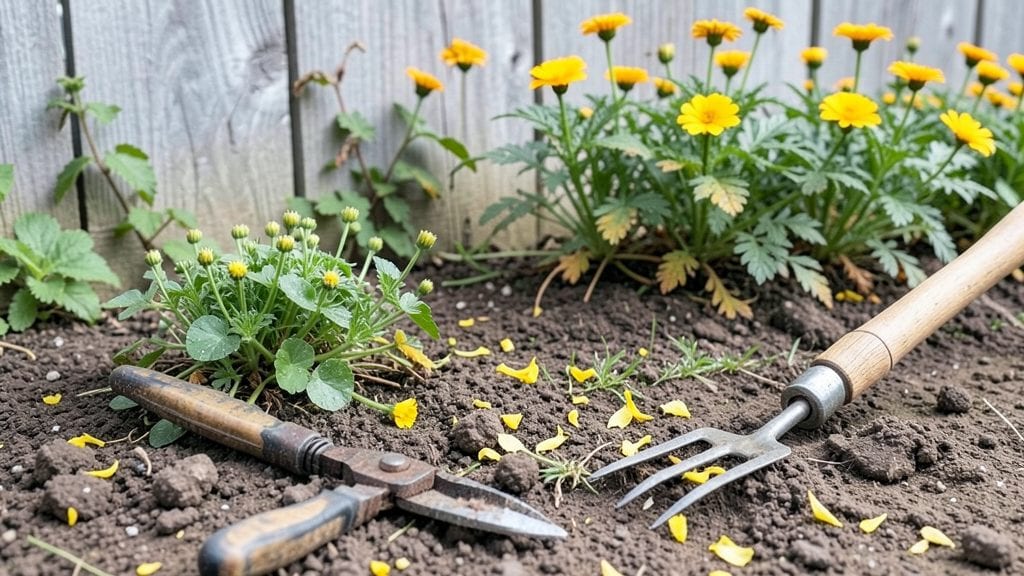
The right flower gardening tools turn messy chores into satisfying work. ✨ I’ve spent years collecting gear that makes pruning feel like sculpting and planting like assembling a puzzle—no more struggling with dull blades or awkward grips.
The difference between a tool that lasts and one that frustrates you often comes down to a few key features: sharp edges, ergonomic handles, and materials that won’t corrode.
Start with the basics: a stainless-steel pruner for clean cuts, a long-handled trowel for digging without back pain, and gardening gloves that fit like a second skin. Add a hoe for weeding and a watering can with a rose attachment for gentle hydration.
These five tools handle 90% of daily tasks, and they won’t break the bank—quality brands like Fiskars or Felco often have starter sets under $50.
With the right gear, your garden transforms from a place of frustration to a workshop of precision. You’ll snip dead blooms without tearing stems, transplant seedlings without disturbing roots, and shape shrubs with confidence. Even the most stubborn weeds become manageable when your tools feel like extensions of your hands.
Here’s the kicker: investing in one premium tool—like a bypass pruner—saves time and plants over years. The rest? Smart upgrades as you grow. Now let’s match tools to tasks before you even step into the dirt.
📚 In This Guide
- What you need
- Instructions
- Tips and common mistakes
- Wrapping up and next steps
What you need
- ● Hand Pruners: Bypass pruners (4-6" blades) for clean cuts—1 pair (e.g., Felco or Fiskars).
- ● Garden Gloves: Durable, breathable fabric (e.g., leather or synthetic) to protect hands—1 pair.
- ● Trowel: Stainless steel, 6" blade for transplanting—1-2 units.
- ● Watering Can: 1-2 gallon capacity with a rose nozzle—1 unit.
- ● Pruning Shears: Long-handled (24-36") for high branches—1 pair.
- ● Garden Kneeler: Padded pad with a seat for comfort—1 unit.
- ● Measuring Tape: 16-foot flexible tape for spacing—1 unit.
- ● Loppers: Heavy-duty (8-12") for thick branches—1 pair.
- ● Grafting Tools: Knife and tape for propagation—1 set.
- ● Soil pH Tester: Digital kit for precise adjustments—1 unit.
- ● Mulching Tools: Rake or spreader for even coverage—1 unit.
- ● Portable Pruner: Magnetic or clip-on for quick cuts—1 unit.
- ● Tool Organizer: Belt or pocket holder to keep tools handy—1 unit.
- ● Garden Space: Sunlight analysis (6+ hours/day for most flowers).
- ● Soil Test Kit: Check pH and nutrients before planting.
- ● Compost/Bio: Ready mix or ingredients (e.g., worm castings).
- ● Water Source: Hose with adjustable nozzle or drip irrigation.
Step-by-step guide to selecting and using flower gardening tools
Here's how to choose the right tools for clean cuts and healthy plants.
🪴 Step 1: Identify Your Core Tools for Planting and Maintenance
Start with a hand trowel for precision digging in tight spaces—its narrow blade lets you plant bulbs and divide perennials without disturbing surrounding roots. I always keep mine 3-4 inches wide for easy maneuverability in small beds. Pair it with a garden fork for breaking up compacted soil before planting; its 4-6 tines glide between roots without tearing them.
For larger-scale planting, a transplanting spade with a 6-inch blade becomes your workhorse. Its straight edge slices cleanly through root balls, reducing transplant shock. I test soil moisture by pressing the spade blade into the ground—if it resists, the soil is too dry for planting. Always keep these tools sharp; dull edges crush stems and invite disease.
✂️ Step 2: Choose Pruning Tools for Different Plant Types
For deadheading annuals and light pruning, a bypass pruner with 5-inch blades gives you clean cuts without crushing stems. I look for ratchet-style models—they offer up to 20 pounds of cutting force, enough to slice through woody stems up to ¼ inch thick. Always sterilize blades with rubbing alcohol between plants to prevent spreading fungal spores.
For heavy-duty pruning of shrubs and perennials, a pruning saw with a 10-inch blade becomes essential. Its fine-toothed design prevents tearing bark, and the curved blade reaches into tight spaces. I mark my cuts ¼ inch above a bud or just outside the branch collar—this ensures proper regrowth and prevents unsightly stubs.
💧 Step 3: Select Watering Tools for Targeted Hydration
A watering wand with an adjustable nozzle lets you direct water exactly where it's needed—critical for seedlings and container plants. I set the spray to a gentle mist for new transplants and switch to a stream for established perennials. The 1-gallon capacity ensures I can water deeply without refilling constantly.
For larger beds, a soaker hose with ¼-inch tubing delivers moisture directly to roots while reducing evaporation. I bury the hose 1-2 inches deep alongside plants and let it run for 15-20 minutes—long enough to saturate the soil without creating runoff. This method saves 30% more water than overhead sprinklers while preventing fungal issues.
☀️ Step 4: Add Tools for Seasonal Maintenance and Soil Health
A garden kneeler with padded cushioning protects your joints during long planting sessions. Its foldable design lets me store it under a bench when not in use. I pair it with a small wheelbarrow to haul 50-pound bags of compost—the 12-inch wheels glide smoothly over uneven terrain, saving my back from strain.
For soil testing and amendments, a long-handled soil probe with 18-inch depth lets me check moisture levels without kneeling. I also keep a compost spreader handy—its rotating blades distribute 3 cubic feet of compost per minute, ensuring even coverage across beds. This tool alone cuts my composting time in half.
🌿 Step 5: Organize and Maintain Your Tool Collection
Store tools in a tool shed with humidity control to prevent rust. I hang pruners and shears from wall-mounted hooks to keep blades dry and accessible. A magnetic knife strip holds small tools like bulb planters and weeding knives, keeping them within arm's reach during planting.
Sharpen blades seasonally using a file or sharpening stone—dull tools require more force, which can damage plants. I also oil metal parts annually to prevent corrosion, especially in coastal climates where salt air accelerates wear. A well-maintained toolset lasts decades and performs like new.
Tips & tricks for perfect flower gardening tool selection
These essential insights will help you maximize your toolset's performance and longevity for years of flawless gardening.
Precision Matters in Planting: When using your 3-4 inch hand trowel for planting bulbs, angle the blade slightly to create a clean, narrow hole—this prevents root disturbance and ensures perfect bulb placement. For dividing perennials, I recommend using a 6-inch transplanting spade with a rocking motion to maintain root integrity while extracting plants. The key is patience: rush, and you'll tear delicate roots.
Pruning Technique for Healthy Growth: For your 5-inch bypass pruner, always make cuts at a 45-degree angle just outside the branch collar—this prevents water from pooling on the cut and causing rot. When pruning shrubs with your 10-inch pruning saw, work from the underside of the branch to avoid tearing bark. I've found that marking cuts with a pencil first prevents over-pruning and maintains plant shape.
Watering Efficiency: The 15-20 minute soaker hose rule is perfect for most garden beds, but adjust based on soil type—sandy soils may need 10-15 minutes while clay soils might require the full 20 minutes. Bury the hose 1-2 inches deep along plant rows to deliver water directly to roots, reducing evaporation by up to 30%. For container plants, use the gentle mist setting on your watering wand to avoid displacing soil.
Tool Maintenance Strategy: Seasonal sharpening with a file or sharpening stone extends tool life dramatically. I sharpen my pruners and shears after every 50 hours of use, and oil metal parts annually with light machine oil to prevent rust. Store tools with blades facing upward to prevent moisture accumulation—this simple habit keeps them in working condition for decades.
Pro Tips for Flower Gardening Tools
- These essential insights will help you maximize your toolset's performance and longevity for years of flawless gardening.
- Precision Matters in Planting: When using your 3-4 inch hand trowel for planting bulbs, angle the blade slightly to create a clean, narrow hole—this prevents root disturbance and ensures perfect bulb placement.
- Pruning Technique for Healthy Growth: For your 5-inch bypass pruner, always make cuts at a 45-degree angle just outside the branch collar—this prevents water from pooling on the cut and causing rot.
Frequently asked questions
Got questions about the right tools for your flower garden? You’re not alone! Here are answers to the most common queries to help you garden with confidence.
What are the must-have tools for beginners in flower gardening?
Start with a hand trowel (for planting), pruning shears (for clean cuts), a garden fork (for soil aeration), and gloves (to protect your hands). A small watering can and stakes for support are also game-changers. Keep it simple—you can always expand later!
When is the best time to prune flowers with the right tools?
Timing depends on the plant! For spring-bloomers (like lilacs), prune right after flowering. For summer-bloomers (like roses), prune in early spring. Always use sharp, sterilized tools to avoid disease. Pro tip: Avoid pruning in fall unless you’re deadheading (removing spent blooms) to encourage next year’s growth.
Are expensive tools worth it for a small flower garden?
Not always! High-quality stainless steel pruners or ergonomic gloves are worth investing in, but you can start with mid-range tools. Look for durable materials and comfortable grips—these reduce hand fatigue. Pro tip: Check reviews for tools labeled "bypass pruners" (best for clean cuts) or "anvil pruners" (better for thicker stems).
How do I clean and maintain my flower gardening tools?
After each use, wipe down tools with a damp cloth to remove debris. For deeper cleaning, soak metal blades in a 10% bleach solution (1 part bleach to 9 parts water) for 10 minutes, then rinse and dry. Store tools in a dry place (like a tool shed or garage) to prevent rust. Pro tip: Sharpen blades annually with a file or sharpener for precision cuts.
What can I use if I don’t have pruning shears?
In a pinch, use sharp scissors (sterilized with rubbing alcohol) or a small handsaw for thicker stems. Avoid dull tools—they crush stems, which can harm plants. If you’re deadheading (removing spent blooms), even your fingers work in a bind! Just be gentle to avoid damaging new growth.
Wrapping up and next steps
With the right flower gardening tools, you’re well on your way to cultivating a thriving, beautiful garden! 🌸 From precision pruners to ergonomic trowels, each tool plays a vital role in nurturing your plants with care and efficiency.
Remember, investing in quality tools isn’t just about convenience—it’s about protecting your plants and your own comfort as you work.
Ready to roll up your sleeves? Start small—pick one or two essentials to upgrade your collection this season. Whether it’s a crisp pair of bypass pruners or a sturdy hand fork, every step forward brings you closer to that dream garden. Happy gardening! 🌱