
Pests
Organic garden pest control starts with understanding that the real battle isn't against bugs—it's against the wrong tools. 🌱 I spent years spraying chemicals that killed pests but also destroyed my soil, only to watch the same problems return worse.
The solution isn't stronger poisons—it's smarter strategies that work with nature, not against it.
Companion planting, neem oil sprays, and physical barriers like row covers turn your garden into a fortress without harming pollinators or future harvests. My tomato plants now thrive because I swapped chemical sprays for a simple garlic-chili spray that aphids can't stand.
The key is prevention: healthy soil, diverse plants, and quick action when pests appear.
You'll see fewer chewed leaves, no more wilting plants from hidden pests, and a garden that stays productive without the chemical buildup. The best part? These methods work for vegetables, flowers, and even fruit trees—no matter what's trying to eat your harvest. Let's build that resilience, step by step.
This isn't about temporary fixes; it's about creating a garden ecosystem where pests become rare rather than constant. The payoff comes in cleaner soil, happier plants, and a backyard that actually feels like a sanctuary—not a battleground. Ready to make the switch?
Root Causes Of Garden Invaders
When pests crash your organic garden party, it’s rarely random. Instead, they’re responding to specific conditions you can identify—and often prevent. Understanding why these critters show up is the first step to keeping them out without chemicals. Let’s break down the science behind their uninvited visits.
Plants in tight quarters create the perfect pest buffet. When foliage is dense, pests like aphids, spider mites, and whiteflies thrive because:
- Limited airflow: Moisture lingers, promoting fungal diseases that attract insects (e.g., fungus gnats love damp soil).
- Hidden havens: Overgrown plants provide shelter for pests to lay eggs and multiply undetected.
- Stress signals: Stressed plants emit volatile organic compounds (VOCs) that act like dinner bells to herbivorous pests.
Actionable fix: Prune regularly to improve airflow and remove infested leaves immediately. Aim for 3–4 inches of space between plants for most vegetables.
Watering habits directly influence pest populations. Here’s how:
| Issue | Pest Attraction | Why It Happens |
|---|---|---|
| Overwatering | Slugs, snails, fungus gnats, root maggots | Excess moisture softens soil, making it easier for slugs to move and for fungal spores (loved by gnats) to germinate. |
| Underwatering | Spider mites, aphids, thrips | Drought-stressed plants produce sticky honeydew (a sugar-rich byproduct), which attracts ants and mites. |
| Irregular watering | Cabbage worms, cutworms | Fluctuating soil moisture weakens plants, making them easier targets for chewing pests. |
Actionable fix: Water deeply 1–2 times per week (early morning) and use drip irrigation to avoid wetting foliage. Mulch to retain moisture evenly.
Pests aren’t just random—they’re following the scent trail of weak or overfed plants. Key triggers:
- Nitrogen overload: Lush, tender leaves (from excess nitrogen) are a magnet for caterpillars and beetles. Think of it as serving a five-course meal instead of a light snack.
- Phosphorus deficiency: Stressed roots release compounds that attract root-feeding pests like grubs and wireworms.
- Potassium shortages: Plants with weak cell walls (low potassium) are easier for pests like Japanese beetles to chew through.
Actionable fix: Conduct a soil test and amend with compost or balanced organic fertilizers (e.g., 5-5-5). Avoid synthetic fertilizers, which can create nutrient spikes.
Pests don’t just wander in—they’re drawn to gardens that offer shelter, food, and breeding grounds. Common culprits:
- Debris and weeds: Leaf litter and grass clippings hide slug eggs and beetle larvae. Weeds like lamb’s quarters act as pest nurseries.
- Wood and stone borders: Dark, moist areas under logs or rocks become breeding sites for earwigs and pill bugs.
- Monoculture planting: Planting the same crop in large blocks (e.g., a whole row of tomatoes) signals pests: “All-you-can-eat buffet here!”
Actionable fix: Remove debris monthly, diversify crops with companion planting (e.g., basil near tomatoes), and use raised beds with sloped edges to deter crawlers.
Pro tip: 🔍 Scout your garden weekly—early detection of yellowing leaves, chewed edges, or tiny webs can stop small issues before they become full-blown infestations.
Natural Fixes for Common Garden Woes
Pests are an inevitable part of gardening, but with the right organic strategies, you can keep your plants thriving without harsh chemicals. Below, we map common garden pests to easy, non-toxic solutions—plus prevention tips to keep them from returning.
Cause: These sap-sucking pests cluster on new growth, leaving sticky honeydew and stunted plants. Fix:
- 🔥 Spray with Soapy Water – Mix 1 tsp mild liquid soap (like Castile) with 1 quart of water. Spray directly on aphids in the morning.
- 🍳 Introduce Beneficial Insects – Ladybugs and lacewings devour aphids. Release them at dusk when aphids are active.
- 🌿 Neem Oil Treatment – Mix 1 tbsp neem oil + 1 tsp mild soap in 1 quart of water. Spray every 5–7 days until gone.
Prevention: ✔ Encourage Diversity – Plant marigolds, basil, or chives nearby to repel aphids. ✔ Prune Regularly – Remove infested leaves immediately to stop spread.
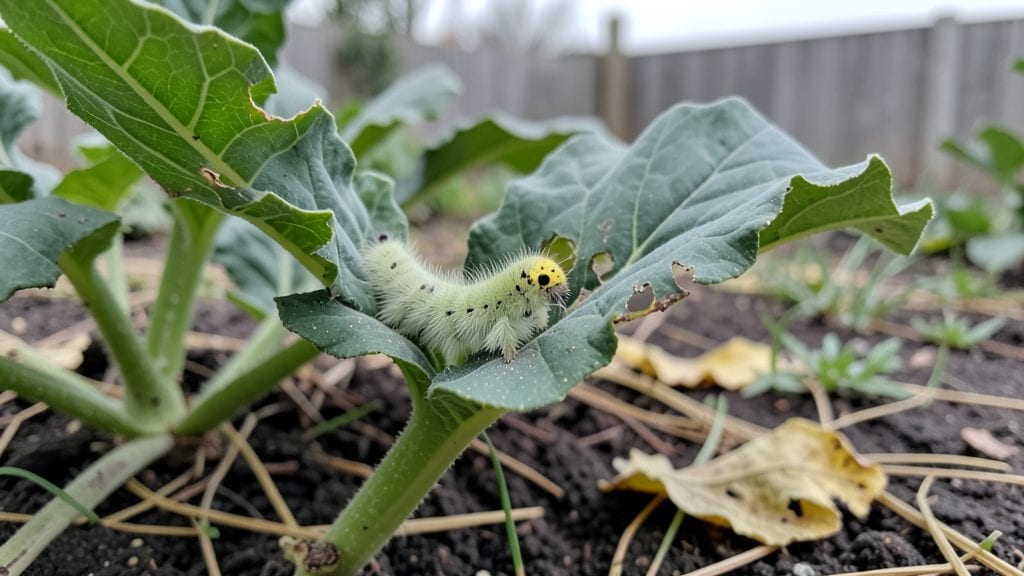
Cause: These green caterpillars munch on brassicas (kale, broccoli, cabbage), leaving ragged holes. Fix:
- 👨🍳 Handpick & Drop in Soapy Water – Check undersides of leaves daily. Drop worms in a bucket of soapy water.
- 🥘 Bt (Bacillus thuringiensis) Spray – A natural bacteria that kills caterpillars but harms no other plants. Reapply after rain.
- 🔪 Row Covers – Use lightweight fabric to block moths (their adult form) from laying eggs.
Prevention: ✔ Interplant with Dill or Mint – These herbs deter cabbage moths. ✔ Rotate Crops – Avoid planting brassicas in the same spot yearly.
Cause: These slimy pests leave silvery trails and chew irregular holes in leaves, stems, and even fruits. Fix:
- 🌡️ Beer Traps – Bury a shallow dish filled with beer near plants. Slugs crawl in and drown.
- 🎯 Copper Barriers – Place copper tape around raised beds. The electric charge repels them.
- 💡 Diatomaceous Earth (DE) – Sprinkle food-grade DE around plants. It dehydrates slugs without harming plants.
Prevention: ✔ Mulch Strategically – Use coarse mulch (like pine needles) instead of fine bark, which slugs love. ✔ Water in Mornings – Slugs hide during the day; watering early reduces their activity.
Cause: Overwatering or poor airflow leads to powdery mildew (white fuzz) or black spot (dark lesions). Fix:
- 🍳 Baking Soda Spray – Mix 1 tbsp baking soda + 1 tsp soap in 1 gallon of water. Spray every 7–10 days.
- 🌿 Improve Airflow – Space plants properly and prune dense foliage.
- 🔥 Neem Oil Fungicide – Spray on leaves (undersides too) to prevent spores from spreading.
Prevention: ✔ Water at the Base – Avoid wetting leaves to reduce fungal spores. ✔ Crop Rotation – Don’t replant susceptible plants (like tomatoes) in the same spot.
Pro Tip: 🌱 Companion Planting Works! Pair vulnerable plants with pest-repelling allies (e.g., tomatoes + basil, carrots + leeks). It’s like a natural security system for your garden.
Need a Quick Reference? Bookmark this table for fast fixes:
| Pest | Best Organic Fix | Prevention Tip |
|---|---|---|
| Aphids | Soapy water spray | Plant marigolds |
| Cabbage Worms | Bt spray or handpicking | Use row covers |
| Slugs & Snails | Copper tape or beer traps | Water in mornings |
| Fungal Diseases | Baking soda spray | Prune for airflow |
Frequently asked questions
What are the most common organic garden pests I should watch for?
Aphids, cabbage worms, slugs, and spider mites are the top troublemakers. Aphids cluster on new growth, cabbage worms skeletonize brassicas, slugs leave silvery trails, and spider mites create fine webs on undersides of leaves. Early detection is key—check plants weekly for signs of these pests.
How do I know if my plants are being attacked by pests?
Look for chewed leaves, sticky residue (honeydew), tiny webs, or wilting. Yellowing leaves or holes in foliage are classic signs. For hidden pests like root maggots, gently pull plants to check for damage. Act fast—small issues grow quickly in organic gardens.
Can I use neem oil on edible plants?
Yes, but with caution! Neem oil is safe for edible plants when used correctly. Apply it in the evening when bees aren’t active, and avoid spraying flowers directly. Wait at least 24 hours before harvesting to ensure full safety for consumption.
What’s the best organic slug control method?
Copper tape around beds or beer traps work wonders. Bury a shallow dish filled with beer near plants—slugs crawl in and drown. For large infestations, combine this with diatomaceous earth (DE) around plant bases. Avoid overwatering, as slugs thrive in damp conditions.
Will companion planting really keep pests away?
Strategic pairings like basil with tomatoes or marigolds with veggies create natural pest barriers. The strong scents confuse pests and attract beneficial insects. Rotate crops yearly to prevent soil-borne pests from building up in one area.