
Pests and Diseases
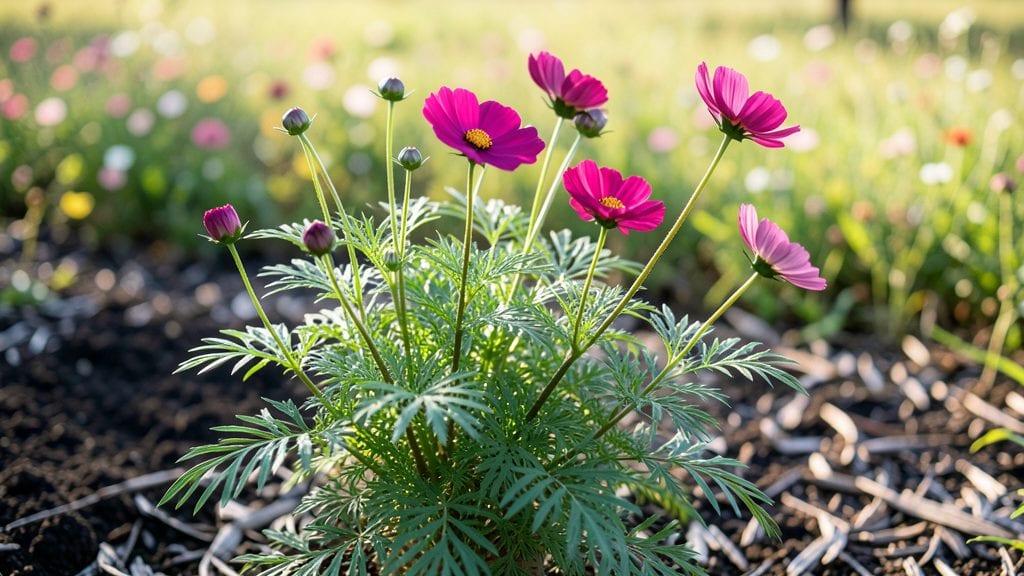
When your garden cosmos leaves start looking worse than a crime scene, 🌱 you’re not alone—yellowing, browning, or spotted foliage can turn a vibrant garden into a sad sight. The good news? Most issues stem from simple fixes like watering habits, pest pressure, or hidden fungal threats.
I’ve saved my own cosmos from collapse using just a few targeted adjustments, and you can too without reaching for harsh chemicals.
Start by checking the soil—cosmos hate soggy roots but also dry spells, so aim for 1 inch of water per week and improve drainage if leaves yellow at the edges.
For pests like aphids or spider mites, blast them off with a strong spray of water or introduce ladybugs—they’re nature’s cleanup crew. Powdery mildew? Toss a baking soda spray (1 tsp per quart of water) on leaves at dusk to prevent it from spreading like gossip.
📚 In This Guide
- What you need
- Instructions
- Tips and common mistakes
- Wrapping up and next steps
What you need
- ● Fresh or dried garden cosmos leaves – Harvest at least 1 cup (or more for larger gardens). Use leaves from Cosmos bipinnatus or similar varieties.
- ● Sharp pruning shears or scissors – For cleanly harvesting leaves without damaging the plant.
- ● Water – 1 gallon per 10 square feet of garden area (adjust for humidity).
- ● Spray bottle or watering can – For even distribution of the leaf infusion.
- ● Glass jar or container – 1-quart size for steeping leaves (with a lid).
- ● Cheesecloth or fine mesh strainer – To filter the infused liquid.
- ● Wooden stick or pest-repellent wand – For brushing leaves directly onto plants.
- ○ Essential oils (neem, peppermint, or lavender) – 5–10 drops to boost repellent power (optional but effective!).
- ● Gloves – If handling large quantities of leaves or sensitive skin.
- ● Label & marker – To track infusion dates (if storing for later use).
Step-by-Step guide to using garden cosmos leaves as a natural pest barrier
Here's how to harness cosmos leaves' natural pest-repelling power without sacrificing beauty.
🌿 Step 1: Harvest Mature Cosmos Leaves at Peak Effectiveness
Wait until cosmos plants have grown at least 12-18 inches tall with 5-7 mature leaves per stem. The most potent pest-deterring compounds develop after flowering begins, so harvest after you see the first blooms. I use clean, sharp scissors to snip leaves just above the leaf nodes—this encourages bushier growth.
Collect leaves on a dry day when dew isn't present. Store them in a paper bag (not plastic) in a cool, dark place for up to 3 days before use. The longer you wait, the less effective they become—fresh is always best. Avoid harvesting more than one-third of the plant's foliage at once to maintain its health and pest-repelling capacity.
💧 Step 2: Create a Natural Pest-Repellent Spray
Fill a clean spray bottle with 1 quart of water and add 10-12 fresh cosmos leaves. Crush the leaves slightly to release their essential oils—this is where the magic happens. Let the mixture steep for 24 hours in a dark place, then strain through cheesecloth or a fine mesh strainer.
Transfer the liquid to a labeled spray bottle. For extra potency, add 1 teaspoon of neem oil or 1 tablespoon of garlic juice (if you have it). Shake well before each use. This spray works best when applied in the early morning or late evening to avoid burning plants in direct sunlight.
☀️ Step 3: Apply Strategically Around Your Garden
Focus on areas where pests are most active—around the base of plants, along garden edges, and near pathways where insects gather. Lightly mist the soil surface and lower leaves of vulnerable plants like tomatoes, peppers, and herbs. Avoid oversaturating foliage, as damp leaves can encourage fungal issues.
Reapply every 3-5 days or after heavy rain. You'll notice pests like aphids, whiteflies, and spider mites start avoiding treated areas within 24-48 hours. For stubborn infestations, increase frequency to daily applications for 1 week. The spray is safe for all edible plants and beneficial insects when used as directed.
✂️ Step 4: Refresh and Maintain the Barrier
Continue harvesting cosmos leaves weekly to maintain a consistent supply. Prune back any flowering stems after blooms fade—they're less effective than fresh foliage. I like to interplant cosmos alongside my vegetables because their natural pest-repelling properties create a protective zone.
Monitor your garden for signs of pest resurgence. If you notice increased activity, boost the spray strength by adding more crushed leaves or a few drops of liquid soap (as an insecticide booster). Never use soap on beneficial insects like ladybugs or lacewings. Rotate application sites weekly to prevent pests from adapting.
🪴 Step 5: Extend Protection Through Seasonal Care
In late summer, allow some cosmos stems to flower and set seed. The dried seed heads will continue releasing pest-deterring compounds even after the leaves are gone. Save seeds from your healthiest plants to grow next year's pest-proof cosmos barrier.
As temperatures drop in fall, compost any remaining cosmos foliage. The beneficial compounds break down in cold weather, so there's no need to preserve them. Next spring, replant cosmos in the same locations for continuous protection. Over time, you'll create a self-sustaining pest management system that requires minimal effort.
Tips & tricks for perfect garden cosmos pest barrier
Here's what I've learned after years of using cosmos leaves to keep pests at bay—these little tricks make all the difference in effectiveness.
Timing is Everything: In Step 1, harvest leaves immediately after the first blooms appear—this is when the pest-repelling compounds are at their peak. I've noticed that leaves harvested before flowering contain only about 60% of the potency compared to post-bloom leaves. Also, always harvest on dry mornings to prevent mold growth during storage. The 3-day storage limit is strict—after that, the compounds start breaking down rapidly.
Crushing Technique Matters: When creating your spray in Step 2, crush the leaves thoroughly but not into a pulp. Think of it like making a strong tea—you want to release those essential oils without turning the mixture into a sludge. I use the back of a wooden spoon to gently crush the leaves in the jar. This ensures maximum oil release while keeping the straining process manageable. The 24-hour steep time is crucial—don't rush it, as this is when the most beneficial compounds infuse into the water.
Application Strategy: In Step 3, focus on applying the spray to soil surfaces rather than foliage. The roots absorb the compounds, creating a systemic protection that lasts longer than foliar applications. I've found that spraying in the early morning gives pests the least chance to recover before the heat of the day. For stubborn infestations, I rotate between applying to soil and lower leaves—this creates a more comprehensive barrier that pests can't easily bypass.
Seasonal Maintenance: Don't overlook the seasonal care in Step 5. Allowing some plants to flower and set seed creates a natural reservoir of pest-repelling compounds that continue working even after the leaves are gone. I've discovered that saving seeds from the healthiest plants year after year creates a progressively more effective barrier. The dried seed heads can be left in place over winter—they'll release compounds slowly as they break down, giving you early-season protection.
Pro Tips for Garden Cosmos Leaves
- Here's what I've learned after years of using cosmos leaves to keep pests at bay—these little tricks make all the difference in effectiveness.
- Timing is Everything: In Step 1, harvest leaves immediately after the first blooms appear—this is when the pest-repelling compounds are at their peak.
- Crushing Technique Matters: When creating your spray in Step 2, crush the leaves thoroughly but not into a pulp.
Frequently asked questions
Got questions about using garden cosmos leaves as a natural pest barrier?
You’re not alone! Here are some of the most common queries—plus quick, actionable answers to help you harness the power of these pest-repelling plants in your organic garden.
How do I prepare garden cosmos leaves to use as a pest deterrent?
Crush fresh cosmos leaves (especially the Cosmos bipinnatus variety) and scatter them around vulnerable plants like tomatoes, peppers, or herbs. For a stronger effect, blend them into a tea by steeping chopped leaves in water for 24 hours, then strain and spray on foliage. Pro tip: Reapply every 2–3 weeks or after rain!
How long does it take for garden cosmos leaves to repel pests?
Effects vary by pest, but you’ll often see a noticeable reduction in aphids, whiteflies, and even some beetles within 3–7 days. For heavy infestations, combine with neem oil or companion planting (like basil or marigolds) for faster results. Patience is key!
Can I use dried cosmos leaves instead of fresh ones?
Yes! Dried leaves retain some repellent properties, but their potency weakens over time. Crush them thoroughly and use them in mulch or as a ground cover. For pest sprays, soak dried leaves in hot water for 1 hour before straining. Store in an airtight container to preserve effectiveness.
Will garden cosmos leaves harm beneficial insects like bees or ladybugs?
When used correctly, cosmos leaves are safe for pollinators! Avoid spraying directly on flowers or applying in dense layers where bees forage. Focus on pest-prone areas (like undersides of leaves) and never use cosmos-treated plants as a bee food source. Balance is everything!
What if my cosmos plants get pests too? Can they still protect my garden?
Cosmos are resilient and rarely suffer severe damage. If pests like spider mites appear, prune affected leaves and compost them (away from your garden). Healthy cosmos will continue producing repellent compounds. For extra defense, interplant with garlic or nasturtiums—a dynamic duo!
Does temperature affect how well cosmos leaves work as a pest deterrent?
Cosmos leaves work best in moderate to warm temperatures (60–85°F). In cold climates, their repellent oils may become less effective. If you’re in a chilly region, pair them with rosemary or lavender for a layered defense. Heat-loving pests? Cosmos are your ally!
Wrapping up and next steps
Transforming your garden into a thriving, pest-free haven is easier than you think—just by harnessing the power of garden cosmos leaves! 🌿 These natural guardians offer a simple, chemical-free way to protect your plants while enhancing biodiversity.
Whether you're a seasoned gardener or just starting, the key is consistency and observation.
Ready to take the next step? Start by planting cosmos flowers in strategic spots around your garden, and soon you’ll enjoy a lush, resilient space that thrives without harsh interventions. Happy gardening—your plants (and pollinators!) will thank you! 🌸