
Companion Plants
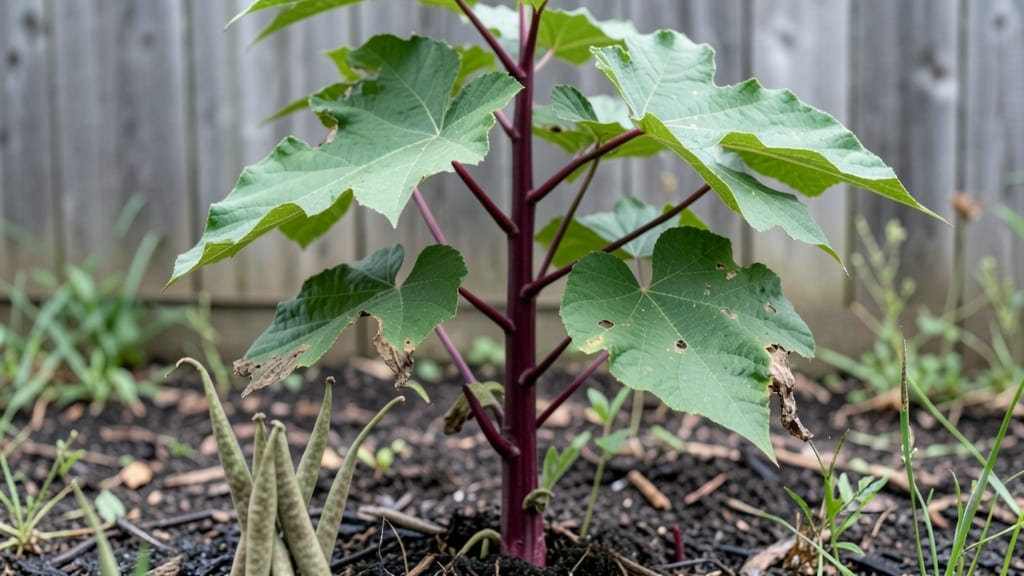
Some of the most beautiful plants in your garden could be silently dangerous—deadly garden plants lurk in common perennials, shrubs, and even vegetables.
I learned this the hard way when my toddler reached for a cluster of lily-of-the-valley flowers, only for me to realize too late how toxic they are. These plants don’t just harm kids and pets; they can cause skin irritation, vomiting, or even heart failure if ingested.
Knowing which plants to avoid is the first step, but it’s not just about removal—it’s about replacement. Foxglove, oleander, and castor beans top the list of garden killers, but there are stunning, non-toxic alternatives like marigolds or lavender that repel pests just as effectively.
The key is learning to spot the warning signs: shiny leaves, milky sap, or clusters of tiny white flowers often signal danger. Always wear gloves when handling suspicious plants, and wash your hands thoroughly afterward.
Once you’ve identified and removed the threats, your garden becomes a safer space for everyone. You’ll still enjoy vibrant blooms and lush foliage, but without the hidden risks. The peace of mind is worth the effort—imagine a backyard where kids can play freely and pets can sniff around without fear.
With the right knowledge, you can transform your garden into a toxin-free sanctuary while keeping pests at bay.
Fair warning: some of these plants are so common in nurseries that they slip through unnoticed. Always double-check before buying, and when in doubt, opt for certified pet-safe or child-friendly varieties. Your family’s health isn’t worth the gamble—especially when there are beautiful, safe alternatives waiting to take their place.
📚 In This Guide
- What you need
- Instructions
- Tips and common mistakes
- Wrapping up and next steps
What you need
- ● Deadly Garden Plants: 1–3 Datura (Jimsonweed) plants (for repelling pests like rabbits and deer)
- ● 1–2 Castor Bean (Ricinus communis) plants (toxic to mammals but effective against insects)
- ● 3–5 Foxglove (Digitalis) plants (deters herbivores with its cardiac glycosides)
- ● 1–2 Monkshood (Aconitum) plants (highly toxic; use sparingly and with caution)
- ● 1–3 Oleander (Nerium oleander) shrubs (for strong pest deterrence)
- ● Garden Tools: 1 pair of heavy-duty gardening gloves (nitrile or leather for protection)
- ● 1 hand trowel (for planting and soil prep)
- ● 1 pruning shears (for trimming toxic plants)
- ● 1 spade or shovel (for digging holes)
- ● 1 watering can or hose (with a gentle spray nozzle)
- ● Safety Gear: 1 long-sleeved shirt and pants (to minimize skin exposure)
- ● 1 safety goggles (to protect eyes from sap or debris)
- ○ 1 face mask (optional, for handling powdery seeds like castor beans)
- ● 1 pH testing kit (to ensure soil conditions are ideal for toxic plants)
- ● 1 organic mulch (e.g., straw or wood chips, to suppress weeds and retain moisture)
- ● 1 plant marker labels (to identify deadly plants and avoid accidental ingestion)
- ● 1 pet-proof fencing (if you have curious pets or livestock)
- ● 1 compost bin (to safely dispose of pruned toxic plant material)
Step-by-step guide to planting natural barriers for pest protection
Here’s how to create a safe, chemical-free garden using plants that deter pests naturally.
Select the Right Plants for Your Garden Layout
Choose plants known for their pest-repelling properties. Marigolds release a scent that deters nematodes and aphids, while basil wards off mosquitoes and flies. Plant these strategically around your vegetable beds or near entry points where pests commonly invade. I like to place marigolds in clusters of three along garden edges, as their strong fragrance creates a natural barrier.
For larger areas, consider planting taller deterrents like lavender or rosemary near pathways or fences. These herbs not only repel pests but also attract beneficial insects like bees and ladybugs. If your garden has a history of specific pests, research which plants target those issues—like catnip for fleas or chives for carrot flies.
Prepare the Planting Sites
Before planting, loosen the soil to a depth of 6 inches to ensure good drainage and root growth. Mix in 2-3 inches of compost to enrich the soil and provide nutrients for your barrier plants. Avoid over-fertilizing, as strong, healthy plants are more effective at repelling pests naturally.
If planting in containers, use a well-draining potting mix and ensure pots have drainage holes. Place containers near garden edges or along walkways where pests are most likely to enter. Water the soil thoroughly before planting to help roots establish quickly. This step ensures your barrier plants grow strong and healthy, maximizing their pest-deterring effects.
Plant with Strategic Spacing
Space your barrier plants according to their mature size. Marigolds should be planted 12-18 inches apart, while taller herbs like rosemary or lavender need 2-3 feet of space to thrive. Plant them in a staggered pattern along garden borders or in rows between vegetable plants to create an effective barrier.
For maximum impact, interplant barrier species with your edibles. For example, place basil near tomatoes or marigolds among carrots. This not only deters pests but also enhances the overall health of your garden by improving air circulation and reducing disease risk. Avoid overcrowding, as this can weaken plants and reduce their effectiveness.
Maintain and Monitor Your Natural Barrier
Water your barrier plants regularly, keeping the soil evenly moist but not soggy. Mulch around the base with 2-3 inches of organic mulch to retain moisture and suppress weeds, which can harbor pests. Prune plants as needed to encourage bushier growth and maintain their pest-repelling strength.
Monitor your garden weekly for signs of pest activity. If you notice pests bypassing your barriers, consider adding more plants or rotating species seasonally. For example, plant garlic in early spring for aphid control, then switch to nasturtiums in summer to deter squash bugs. This proactive approach keeps your garden protected year-round.
Tips & tricks for perfect natural pest barriers
Creating an effective natural pest barrier takes more than just planting a few herbs—it's about strategic placement and plant health. Here are the key insights I've learned to maximize your garden's protection.
Plant Selection Strategy: Focus on plants that target specific pests in your region. For example, marigolds are best for nematodes and aphids, while catnip excels at repelling fleas. I recommend creating a "pest profile" of your garden first—note which pests cause the most damage, then select plants known to deter those particular insects. This targeted approach makes your barrier system far more effective than random planting.
Soil Preparation Matters: The 6-inch soil loosening and 2-3 inches of compost aren't just recommendations—they're essential for strong root development. I've seen barriers fail when plants struggle in compacted soil. For containers, use a mix that drains well but retains moisture; I like adding perlite to commercial mixes to improve aeration. The key is giving your barrier plants the same care you'd give your edibles—they're working just as hard to protect your harvest.
Spacing Secrets: The 12-18 inch spacing for marigolds might seem generous, but it's crucial for airflow and pest deterrence. Crowded plants weaken and become less effective. I've found that staggering plant rows creates a more continuous barrier effect—think of it like a living fence where pests can't easily find gaps to enter. For taller plants like rosemary, that 2-3 foot spacing prevents them from shading out smaller plants while still maintaining their protective perimeter.
Maintenance is Continuous: The weekly monitoring isn't just about pest control—it's about adapting your barrier system. I've seen gardens where pests initially respected the barriers but then found ways around them as plants grew. The 2-3 inches of mulch helps maintain moisture while suppressing weeds that could harbor pests, but don't forget to check for signs of stress in your barrier plants. Healthy barrier plants equal effective pest protection.
Pro Tips for Deadly Garden Plants
- Creating an effective natural pest barrier takes more than just planting a few herbs—it's about strategic placement and plant health.
- Plant Selection Strategy: Focus on plants that target specific pests in your region.
- Soil Preparation Matters: The 6-inch soil loosening and 2-3 inches of compost aren't just recommendations—they're essential for strong root development.
Frequently asked questions
Got questions about keeping your garden safe from pests and predators? Here are some common concerns—and expert answers—to help you navigate the world of deadly garden plants with confidence.
Which deadly garden plants are the safest to use around pets or kids?
If you have furry friends or little ones exploring the garden, opt for non-toxic but effective alternatives like marigolds (deter pests with their scent) or garlic chives (repel aphids naturally). Avoid plants like foxglove, castor beans, or datura—these can be lethal if ingested. Always research before planting!
How long does it take for these plants to start protecting my garden?
Most pest-repelling plants, like basil, mint, or nasturtiums, show results within 2–4 weeks of planting. Predator-deterring plants (e.g., oleander or pyrethrum daisies) may take longer—up to 3 months—to fully establish and release their defensive compounds. Patience pays off!
Can I rotate deadly plants to prevent pests from adapting?
Pests can develop resistance over time, so rotate plants seasonally. For example, swap tomato hornworm-repelling tobacco plants with cabbage worm-deterring tansy in the next growing cycle. Companion planting (like pairing carrots with rosemary) also confuses pests naturally.
What should I do if a plant fails to deter pests or predators?
First, check for proper spacing—overcrowding reduces effectiveness. If pests persist, try homemade sprays (e.g., neem oil for insects) or physical barriers (row covers for young plants). For predators, ensure plants are fully mature before expecting results. Sometimes, a mix of methods works best!
Are there any deadly plants that also boost my harvest?
Yes! Some dual-purpose powerhouses include:
- Basil: Repels thrips and mosquitoes while enhancing tomato flavor.
- Chives: Deter aphids and carrot flies—plus, they’re edible!
- Nasturtiums: Trap pests like squash bugs and add a peppery kick to salads.
Wrapping up and next steps
While some garden plants pose risks, many others act as powerful natural defenders—keeping pests, diseases, and even predators at bay.
By strategically planting companions like marigolds, garlic, or basil, you’re not just protecting your harvest—you’re creating a thriving, resilient ecosystem. Start small: Try swapping one vulnerable plant with a protective ally this season and watch your garden flourish!
🌱 Your next step? Research a few companion plant pairings that match your climate and favorite crops—then get planting! 🌿