
Flowers
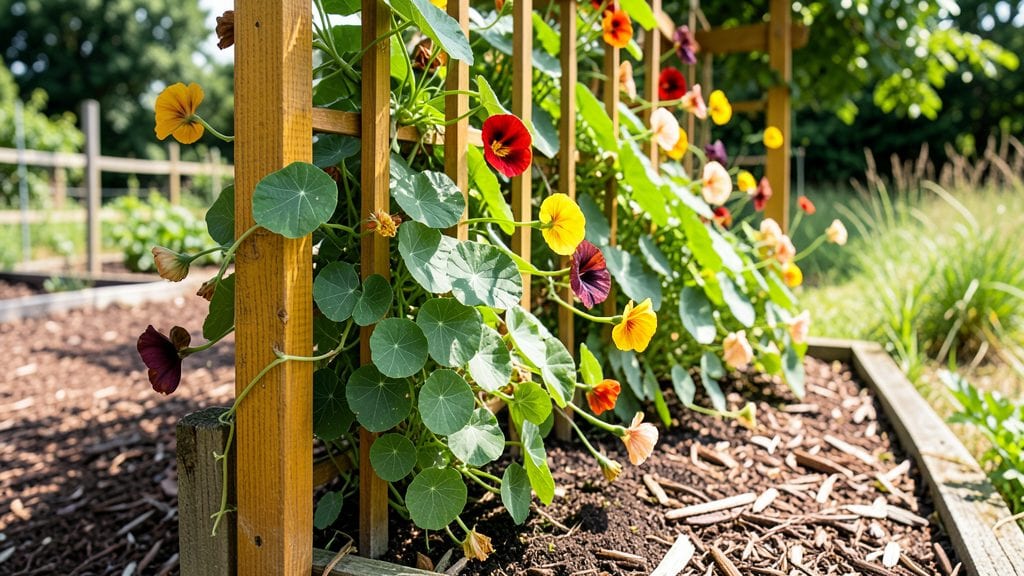
A rainbow garden isn’t just a dream—it’s a year-round reality that starts with the right flowers and a little creative layering. 🌈 I’ve designed gardens where every season brings new pops of color, from the deep purples of early spring to the fiery reds of late fall, without needing a degree in horticulture.
The secret lies in mixing perennials with bold annuals and bulbs that bloom at different times, so you’re never stuck with a dull patch.
Think of it like building a living quilt: you need your "background" flowers—tall, sturdy perennials like black-eyed Susans or coneflowers—to anchor the design, while annuals like marigolds and pansies add the vibrant accents.
Bulbs like tulips and daffodils sneak in early color, and late-season bloomers like chrysanthemums keep the show going until frost. Even in small spaces, containers can create the same dazzle with the right combinations.
By the end of summer, your garden will be a nonstop parade of color**, with flowers spilling over borders and filling the air with their scent. The best part? Most of these plants are tough enough to handle a little neglect, so you get that wow factor without the fuss.
We’ll start with the easiest, most impactful flowers to plant first—no complicated color theory required.
Whether you’ve got a sunny border, a shady corner, or just a few pots on your patio, these ideas adapt to any space. Let’s turn your garden into a living rainbow that keeps giving all year.
📚 In This Guide
- What you need
- Instructions
- Tips and common mistakes
- Wrapping up and next steps
What you need
- ● Rainbow Garden Flowers: Choose a mix of perennials, annuals, and bulbs for continuous color. Examples: 10–15 Tulipa bulbs (red, yellow, purple)
- ● 5–10 Nerine (guernsey lily) bulbs (pink, orange, white)
- ● 10–12 Salvia plants (purple, blue, or white)
- ● 5–8 Zinnia seeds or seedlings (rainbow mix)
- ● 10–15 Pansy or Viola plants (multi-color)
- ● 3–5 Crocosmia or Montbretia corms (red, orange, yellow)
- ● Soil: 2–3 cubic yards of well-draining, nutrient-rich garden soil (amend with compost for best results).
- ● Mulch: 1–2 bags of organic mulch (e.g., shredded bark or straw) to retain moisture and suppress weeds.
- ● Garden Tools: 1 garden trowel (for planting bulbs/seeds)
- ● 1 hand shovel (for digging)
- ● 1 pruners (for trimming dead foliage)
- ● 1 garden fork (for aerating soil)
- ○ Optional (But Helpful!): 1 wheelbarrow (for transporting soil/mulch)
- ● 1 hose with spray nozzle (for gentle watering)
- ● 1 garden kneeler (for comfort while planting)
- ● 1 pH testing kit (to ensure soil is 6.0–7.0 for most flowers)
- ● A sunny to partially shaded spot (most rainbow flowers thrive in 6+ hours of sunlight daily).
- ● Access to water (a nearby spigot or irrigation system is ideal).
- ● Time to plan your layout—consider height, bloom seasons, and color transitions for a seamless rainbow effect!
Step-by-Step instructions for creating a rainbow flower garden
Here’s how to build a vibrant, low-maintenance rainbow garden that blooms season after season.
🌱 Step 1: Choose the Right Plant Placement by Height
Start by grouping flowers by height to create natural layers. Tall blooms like sunflowers (4-6 feet) or delphiniums (3-5 feet) go in the back, while medium-height flowers like black-eyed Susans (2-3 feet) or coneflowers (2-3 feet) fill the middle. Front-row flowers should stay under 18 inches—think pansies, marigolds, or sweet alyssum for that pop of color closest to the walkway.
I sketch a rough layout first, marking where each group will go. This prevents taller plants from shading smaller ones and keeps the rainbow effect visible from all angles. Space taller plants 18-24 inches apart and shorter ones 6-12 inches apart to avoid overcrowding.
☀️ Step 2: Match Flowers to Sunlight Conditions
Most rainbow garden flowers thrive in full sun (6+ hours daily), but some—like impatiens or begonias—prefer partial shade (3-6 hours of sun). Observe your garden’s sunlight patterns first: note where the sun hits hardest at midday and where dappled shade lingers. Place sun-lovers (like dahlias or zinnias) in the brightest spots and shade-tolerant blooms (like coleus or fuchsias) where light filters through.
If your space gets only partial sun, opt for daylilies or cannas, which handle mixed light well. I always test a small patch first to see how plants perform before committing to full beds.
💧 Step 3: Amend Soil and Plant for Year-Round Color
Loosen the soil to 12 inches deep with a garden fork, breaking up compacted layers. Mix in 2-3 inches of compost to improve drainage and fertility—this ensures roots establish quickly and blooms last longer. For heavy clay soil, add sand or perlite to prevent waterlogging, which can rot delicate stems.
Plant in early spring or late fall when temperatures are mild. Dig holes twice as wide as the root ball but no deeper, then water each plant deeply before backfilling with soil. Mulch with 2-3 inches of organic mulch (like shredded bark) to retain moisture and suppress weeds.
✂️ Step 4: Maintain with Strategic Deadheading and Feeding
Deadhead spent blooms weekly to encourage continuous flowering. Pinch off faded flowers with your fingers or snip just above the next set of leaves with clean pruners. This trick works especially well for petunias, geraniums, and zinnias, which reward prompt pruning with nonstop color.
Feed with a balanced, slow-release fertilizer (10-10-10) every 6-8 weeks during the growing season. Over-fertilizing leads to lush foliage but fewer blooms, so follow package rates exactly. Water deeply 2-3 times per week (more in extreme heat), aiming for 1 inch of water per week—check soil moisture by sticking your finger 1 inch deep. If it’s dry, water; if damp, wait.
🌿 Step 5: Extend the Season with Succession Planting
For a rainbow that never fades, swap out summer blooms with cool-season flowers like pansies, snapdragons, or violas in early fall. These thrive in 50-60°F temperatures and add pops of purple, yellow, and white when summer’s heat fades. In late winter, plant tulips or daffodils for early spring color before annuals take over.
I keep a simple calendar: spring bulbs → summer annuals → fall perennials → winter pansies. This rotating strategy ensures your garden stays vibrant year-round with minimal extra work.
Tips & tricks for perfect rainbow garden flowers
Creating a rainbow garden that thrives all year takes a few key strategies that make all the difference between a pretty patch and a showstopper.
Layering Like a Pro: When you're sketching your layout in Step 1, think vertically as well as horizontally. The secret to that magical rainbow effect isn't just color variety—it's creating visual depth. Place your tallest flowers (like sunflowers at 4-6 feet) about 18-24 inches from the back edge of your bed. Then work forward with medium-height flowers spaced 12-18 inches apart, and your front-row flowers (under 18 inches) should be just 6-12 inches apart. This creates natural tiers that draw the eye through your garden like a living waterfall.
Sunlight Mapping Strategy: Before you even pick plants, spend a sunny day observing your garden in Step 2. Use a white piece of cardboard to track sunlight patterns—hold it up every few hours to see where shadows fall. Mark your brightest spots (6+ hours of direct sun) for sunflowers, dahlias, and zinnias. The partial shade areas (3-6 hours) are perfect for coleus and fuchsias. I've learned the hard way that moving plants after they're established can shock them, so get this right from the start!
Soil Prep Game-Changer: In Step 3, don't just loosen that 12 inches of soil—think about the texture. If your soil feels like concrete when you squeeze it, you'll need to add sand or perlite to improve drainage. For heavy clay, mix in 2-3 inches of compost first, then add your sand. The goal is to create a crumbly, well-draining mix that holds moisture but doesn't suffocate roots. I like to do a simple "squeeze test"—if water beads up on the surface after watering, you need more sand; if it disappears instantly, add more compost.
Seasonal Color Rotation: The key to year-round color in Step 5 is planning your succession planting calendar in advance. I keep a simple chart with four columns: spring bulbs (tulips, daffodils), summer annuals (zinnias, marigolds), fall perennials (coneflowers, black-eyed Susans), and winter pansies. This ensures you always have something blooming, even when temperatures drop to that 50-60°F range where cool-season flowers really shine. Start by planting your spring bulbs in late fall, then follow with summer annuals in early spring.
Pro Tips for Rainbow Garden Flowers
- Creating a rainbow garden that thrives all year takes a few key strategies that make all the difference between a pretty patch and a showstopper.
- Layering Like a Pro: When you're sketching your layout in Step 1, think vertically as well as horizontally.
- Sunlight Mapping Strategy: Before you even pick plants, spend a sunny day observing your garden in Step 2.
Frequently asked questions
Got questions about creating your own rainbow garden flowers? Here are some of the most common ones—and their answers—to help you get started with confidence!
What’s the best time of year to plant rainbow garden flowers?
Most annual rainbow flowers (like zinnias, cosmos, and marigolds) thrive when planted in early spring after the last frost or in late summer for fall blooms. Perennials (e.g., coneflowers, black-eyed Susans) can go in spring or early fall for stronger root establishment. Check your local frost dates for precision!
How often should I water rainbow garden flowers?
Water deeply 2–3 times per week during the first month, then adjust based on rainfall. Most rainbow flowers prefer 1 inch of water weekly, but avoid soggy soil—mulch helps retain moisture. Morning watering is ideal to reduce fungal risks. Drought-tolerant picks (like lavender or sedum) need less!
Can I grow rainbow flowers in containers or just gardens?
Many vibrant blooms (e.g., pansies, petunias, or nasturtiums) thrive in containers, hanging baskets, or window boxes. Use well-draining soil with 30% perlite, and choose compact varieties for small spaces. Just ensure pots have drainage holes—root rot is a common container killer!
Why aren’t my rainbow flowers blooming as expected?
Lack of blooms often stems from over-fertilizing with nitrogen (promotes leaves, not flowers) or underwatering. Try deadheading spent blooms to encourage new growth, and switch to a low-nitrogen, high-phosphorus fertilizer (like 5-10-5). Also, check for pests (aphids, spider mites) or shade issues—most rainbow flowers crave 6+ hours of sunlight.
How do I mix colors for a cohesive rainbow look?
Start with a color wheel for harmony: pair complementary colors (red + blue, orange + purple) or analogous shades (pink + red + orange). For height variety, plant tall blooms (like delphiniums) at the back, medium (zinnias) in the middle, and trailing flowers (nasturtiums) in front. Odd-numbered groupings (3, 5, or 7 plants) create natural, balanced clusters!
Wrapping up and next steps
Transforming your garden into a vibrant rainbow of blooms isn’t just beautiful—it’s rewarding! With the right mix of seasonal perennials, annuals, and care tips, you can enjoy year-round color that delights the senses and supports local pollinators.
Whether you’re a seasoned gardener or just starting, every petal planted brings your outdoor space to life.
Ready to dive in? Start small—pick one or two flowers from this guide and watch your garden glow. Happy planting! 🌈✨