
Tools
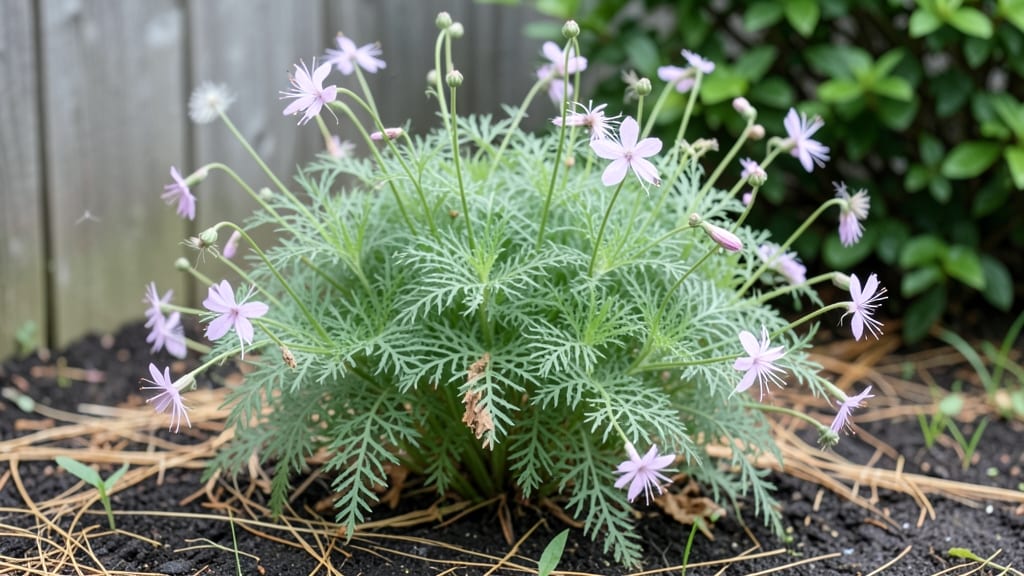
Gauras in garden spaces bring a light, feathery charm that no other plant quite matches. ✨ I first fell for them when I needed a drought-tolerant border plant that still felt romantic—not just practical. Their airy blooms dance in the breeze while attracting bees and butterflies like nobody’s business.
The real magic happens when you pair them with the right neighbors. Try tucking gaura alongside purple coneflowers for a cottage-core vibe or mixing in salvia for a modern contrast.
They thrive in full sun and well-drained soil, making them perfect for rock gardens, wildflower meadows, or even containers on patios.
What you’ll love most is how they bloom from early summer straight through fall, never looking tired. The soft pink and white flowers create a dreamy, almost ethereal effect, especially when backlit by the sun. Plus, they’re nearly maintenance-free—just trim back in late winter and watch them bounce back.
For maximum impact, plant gaura in drift-like groupings rather than single stems. They’ll spill gracefully over edges or fill gaps between bolder perennials like black-eyed Susans or Russian sage. Here’s how to make them the star of your garden without trying too hard.
Why Gaura Struggles In Gardens
If your Oenothera lindheimeri (commonly called gaura) isn’t thriving as expected, the issue often boils down to a few key environmental or cultural mismatches. Gaura is a resilient plant, but it has specific needs that, when overlooked, can lead to stunted growth, sparse blooms, or even plant decline.
Let’s break down the most common culprits—and how to fix them.
Gaura is a native of the American Southwest and Mexico, meaning it’s adapted to hot, dry climates. While it tolerates a range of temperatures, extreme heat (especially without adequate airflow) can cause:
- Heat scorch: Yellowing or browning leaf edges, often on older foliage, due to excessive transpiration. Gaura’s thin leaves can’t always cope with intense midday sun in humid regions.
- Flower drop: Buds may fail to open or fall off if temperatures spike above 95°F (35°C) without relief.
- Stunted growth: In cooler climates, gaura may struggle to establish if spring soil temperatures stay below 50°F (10°C) for too long.
Actionable fix:
- ✅ Provide afternoon shade in zones with high humidity (e.g., Southeast U.S.) using sheer fabric or dappled shade from trees.
- ✅ Space plants 12–18 inches apart to improve airflow, reducing heat stress.
- ✅ Mulch with 2–3 inches of gravel or straw to reflect heat away from roots in desert-like climates.
Gaura’s drought tolerance is legendary, but excess moisture is its kryptonite. Unlike moisture-loving perennials, gaura’s roots rot easily in soggy soil, leading to:
- Yellowing leaves (chlorosis): A classic sign of root suffocation, often starting at the base.
- Wilting despite wet soil: Roots can’t absorb oxygen, causing the plant to collapse.
- Fungal diseases: Powdery mildew or root rot thrive in consistently damp conditions.
Actionable fix:
- ✅ Test your soil—gaura prefers well-draining, sandy loam. Amend heavy clay with perlite or coarse sand.
- ✅ Water deeply but infrequently: Aim for 1 inch of water per week, letting the top 2 inches of soil dry out between waterings.
- ✅ Avoid overhead watering; use drip irrigation or soaker hoses to keep foliage dry and prevent fungal spores.
While gaura is perennial in USDA zones 5–10, it’s not frost-hardy like a peony. Cold snaps can cause:
- Blackened or mushy stems: Frost can kill above-ground growth, but gaura often regrows from the base.
- Delayed blooming: Late frosts (below 28°F / -2°C) may damage flower buds before they open.
- Root heave: Freeze-thaw cycles can push roots out of the soil, exposing them to further damage.
Actionable fix:
- ✅ Plant in full sun—warmer soil temperatures help roots survive winter.
- ✅ Mulch heavily (3–4 inches) with straw or leaves after the first frost to insulate roots.
- ✅ Protect young plants in zone 5 with a cloche or row cover during early spring or late fall.
Gaura isn’t a heavy feeder, but poor soil quality or over-fertilizing can disrupt its natural growth patterns. Common signs include:
- Leggy, weak stems: Too much nitrogen (from compost or synthetic fertilizer) promotes foliage over flowers.
- Pale or purple-tinged leaves: A lack of phosphorus or magnesium, often seen in acidic or depleted soils.
- Sparse blooms: Excessive fertilizer can shock gaura into producing more leaves than flowers.
Actionable fix:
- ✅ Test soil pH—gaura prefers neutral to slightly alkaline (6.0–7.5). Amend acidic soil with lime.
- ✅ Avoid high-nitrogen fertilizers; opt for a balanced 5-10-10 or low-phosphorus formula in early spring.
- ✅ Top-dress with compost in late winter to replenish micronutrients without overfeeding.
Gaura is generally pest-resistant, but aphids, spider mites, or fungal pathogens can take advantage if the plant is stressed. Watch for:
- Sticky leaves or curled growth: Aphids or whiteflies sap sap, weakening the plant.
- White powdery coating: Powdery mildew thrives in humid conditions, blocking sunlight and stunting blooms.
- Holes in leaves: Japanese beetles or slugs may target gaura, especially in moist gardens.
Actionable fix:
- ✅ Spray with neem oil (early morning or evening) to deter pests without harming pollinators.
- ✅ Encourage natural predators like ladybugs by planting nearby herbs (e.g., dill, fennel).
- ✅ Remove infected foliage immediately and space plants to improve airflow, reducing humidity.
Pro Tip: 🌿 Deadhead spent blooms to encourage continuous flowering—but avoid pruning back more than 1/3 of the plant in one season, as gaura blooms on new and old wood. Over-pruning can reduce next year’s flowers!
Revive Your Gauras Naturally
Gauras (Oenothera spp.) are resilient, but even the hardiest plants need a little TLC to thrive. Below are practical, step-by-step solutions to common issues—from wilting blooms to pest invasions—plus prevention tips to keep your garden vibrant all season.
Cause: Overwatering, nutrient deficiency, or fungal infections (like powdery mildew). Solution:
- 🔥 Check the Soil: Stick your finger 1–2 inches deep. If it’s soggy, your gaura is drowning! Let it dry out before watering again.
- 🍳 Boost Nutrients: Feed with a balanced, water-soluble fertilizer (10-10-10) every 4–6 weeks. For yellowing between veins, it’s likely iron deficiency—use a chelated iron supplement.
- 👨🍳 Fungal Foes? If leaves are covered in white powder, prune affected stems and spray with neem oil (1 tsp per quart of water). Repeat weekly until cleared.
💡 Prevention Tip: Plant gaura in well-draining soil (mix in compost or sand) and avoid overhead watering to prevent fungal spores.
Cause: Soft-bodied pests suck sap, causing stunted growth and sticky residue. Solution:
- 🔪 Blast Them Off: Spray plants with a strong stream of water to dislodge aphids. Repeat every few days.
- 🥘 Homemade Spray: Mix 1 tsp dish soap + 1 quart water in a spray bottle. Test on a small leaf first—some gaura varieties are sensitive.
- 🐝 Encourage Predators: Ladybugs and lacewings love munching on spider mites. Plant dill, fennel, or marigolds nearby to attract them.
✨ Prevention Tip: Inspect new plants before bringing them home. Quarantine them for a week to spot hitchhiking pests.
Cause: Gaura thrives in heat but wilts if overly stressed by intense sun or drought. Solution:
- 🌞 Provide Afternoon Shade: If your gaura is in a hot, dry climate, use a light shade cloth (30–50%) during peak afternoon sun (1–4 PM).
- 💧 Deep Watering: Water deeply 1–2 times per week (not daily shallow watering). Aim for 1 inch of water per week, including rainfall.
- 🎯 Mulch Like a Pro: Apply 2–3 inches of mulch (straw or pine bark) to retain moisture and regulate soil temperature.
💡 Prevention Tip: Choose heat-tolerant gaura varieties like Oenothera lindheimeri ‘Sally’ or ‘Crimson Butterflies’ for scorching climates.
Cause: Too much shade, over-fertilizing with nitrogen, or weak stems. Solution:
- ☀️ Move to Sun: Gaura needs full sun (6+ hours daily). If it’s stretching toward light, transplant to a sunnier spot or prune leggy stems back by ⅓.
- 🍽️ Prune for Bushiness: Use clean pruners to trim back overly long stems in early spring. This encourages fuller, stronger growth.
- 🌡️ Support Struggling Plants: If stems are weak, stake them lightly with bamboo stakes or weave them into nearby perennials for support.
🔥 Pro Tip: Deadhead spent blooms (but leave some seed pods for pollinators!). This redirects energy to new growth instead of seed production.
Final Note: Gaura is forgiving—most issues resolve quickly with proactive care. Monitor your plants weekly, and soon, you’ll have a pollinator paradise bursting with color! 🐝🌸
Frequently asked questions about gauras in gardens
What’s the best way to use gaura in container gardens?
Gaura thrives in containers with well-draining soil and full sun exposure. Choose a pot with drainage holes and pair it with drought-tolerant companions like lavender or sedum. Use a lightweight potting mix with perlite to prevent root rot. Containers allow you to move gaura to morning sun in hot climates or protected spots in winter.
Can gaura grow in partial shade?
While gaura prefers full sun (6+ hours daily), it can tolerate partial shade (3–4 hours of sun) in cooler climates. In shadier spots, blooms may be fewer, and stems could stretch. For best results, place it where it gets morning sun and afternoon shade—especially in humid regions. Varieties like ‘Whirlybird’ handle shade better than others.
How do I keep gaura blooming all season?
Deadhead spent blooms regularly to encourage continuous flowering, but leave some seed pods for pollinators. Avoid heavy pruning—just trim back 1/3 of the plant in late winter to promote fresh growth. Use a low-nitrogen fertilizer (5-10-10) in early spring to support blooms over foliage. Water deeply but infrequently to avoid stress.
What plants pair well with gaura for a pollinator-friendly garden?
Gaura pairs beautifully with purple coneflowers, black-eyed Susans, and salvia for a cottage-core or modern meadow look. Add bee balm or butterfly weed to attract pollinators. For height contrast, tuck it near Russian sage or grasses like maiden grass. Avoid overpowering neighbors—gaura’s airy blooms shine when surrounded by textural variety.
Why does my gaura look leggy or sparse?
Leggy gaura usually means it’s not getting enough light or is over-fertilized with nitrogen. Move it to a sunnier spot and prune back 1/3 of the stems in early spring to encourage bushier growth. If soil is too rich, reduce fertilizer to a low-phosphorus blend (like 5-10-10) and water less frequently. Mulch with gravel or straw to improve drainage.