Tools
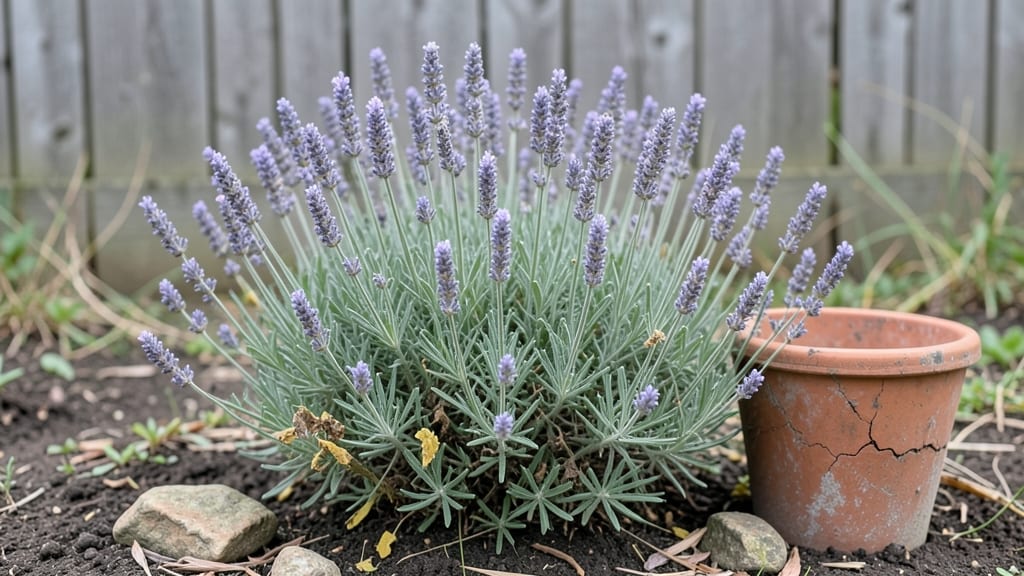
A fragrant French laundry garden transforms any backyard into a sensory retreat where every step releases the scent of lavender and rosemary. 🌿 I stumbled upon this design after visiting Provence and realized my own garden could capture that same timeless charm—layered with fragrant perennials, rustic pathways, and wrought iron accents that whisper of old-world elegance.
The key isn't perfection but the right plant pairings that bloom from spring through fall, creating a living tapestry of color and fragrance.
This isn't about expensive hardscaping—just a few strategic elements make all the difference. Terracotta pots filled with lavender and thyme line gravel paths, while climbing roses twine up iron trellises near seating areas. The layout thrives in partial shade or sun, making it adaptable to most backyards.
You'll spend less time weeding and more time enjoying the garden's ever-changing beauty, from peony blooms in May to rosemary's piney scent in winter.
By summer's end, your garden will reward you with bouquets of fragrant blooms and the quiet satisfaction of a space that feels like a second home. The peonies provide lush, velvety petals for cutting, while the herbs offer endless culinary possibilities.
Even in winter, the structure of bare branches and evergreen rosemary keeps the space inviting. This is gardening that works with nature's rhythms, not against them.
Works equally well in small urban courtyards or sprawling rural plots—just scale the elements to fit your space. The real magic happens when you let the scents guide your design choices. Ready to create your own fragrant sanctuary? Let's get started with the foundational elements that make this garden timeless.
📚 In This Guide
- What you need
- Instructions
- Tips and common mistakes
- Wrapping up and next steps
What you need
- ● Perennial Plants: 10–15 fragrant varieties (e.g., lavender, roses, peonies, hydrangeas, and jasmine). Aim for a mix of heights and bloom times for year-round interest.
- ● Soil Amendments: 2–3 bags of well-draining potting mix (e.g., 50% garden soil, 30% compost, 20% perlite or sand).
- ● 1–2 lbs of slow-release organic fertilizer (e.g., 10-10-10 or rose-specific blend).
- ● Mulch: 2–3 cubic feet of cedar or pine mulch (3–4 inches deep) to retain moisture and suppress weeds.
- ● Hand Tools: 1 trowel (for planting small perennials).
- ● 1 pruning shears (for shaping and maintenance).
- ● 1 garden fork (for aerating soil).
- ○ Larger Tools (Optional but Helpful): 1 wheelbarrow (for transporting soil/amendments).
- ● 1 garden hose with adjustable nozzle (for watering).
- ● 1 kneeling pad (for comfort during planting).
- ● A sunny to partially sunny location (6+ hours of sunlight daily for most perennials).
- ● Access to a water source (garden hose or irrigation system).
- ● Basic knowledge of plant spacing (check plant tags for guidance).
- ○ Optional: A trellis or arbor (for climbing plants like clematis or roses).
How to design a French Laundry garden for year-round fragrance
Here's how to create a timeless, fragrant garden inspired by the French countryside—where every season brings new scents and textures.
🌱 Step 1: Select the Right Perennial Plants for Layers of Fragrance
Start with a mix of fragrant perennials that thrive in your climate. For a classic French Laundry Garden, I recommend lavender, rosemary, thyme, and jasmine as your foundation. These plants not only smell incredible but also attract pollinators and repel pests naturally. Choose varieties that bloom at different times—like early spring dianthus or stock, followed by summer lavender and roses, and finishing with autumn-scented sage or fennel. This ensures your garden stays fragrant from spring through fall.
Plant taller varieties like roses or hollyhocks at the back, mid-height lavender or salvia in the middle, and low-growing thyme or creeping rosemary at the front. This creates a natural, layered look that’s easy to maintain. I like to group plants with similar water needs together—like drought-tolerant lavender and rosemary—to simplify care.
☀️ Step 2: Choose a Sunny, Well-Drained Location
A French Laundry Garden thrives in full sun to partial shade, with at least 6 hours of sunlight daily. If your space gets afternoon shade, focus on lavender, thyme, and rosemary, which handle heat and drought better than sun-loving roses. Avoid low-lying areas where water pools—well-drained soil is critical to prevent root rot in perennials.
Test your soil’s drainage by digging a 6-inch hole, filling it with water, and timing how long it takes to drain. If it takes more than 4 hours, amend the soil with compost and coarse sand to improve drainage. I also recommend adding a 2-inch layer of gravel at the bottom of planting holes for extra drainage if your soil is heavy clay.
💧 Step 3: Plant and Mulch for Low-Maintenance Growth
Dig holes twice as wide as the root ball but only as deep. Place each plant in the center, ensuring the top of the root ball sits level with the soil surface. Backfill with native soil mixed with compost to encourage strong root growth. Water deeply to settle the soil and remove air pockets.
Once planted, spread a 2-inch layer of mulch (like pine bark or straw) around each plant, keeping it 2 inches away from the stems to prevent rot. Mulch helps retain moisture, suppress weeds, and regulate soil temperature. I water deeply once a week in dry spells, focusing on the base of the plants rather than overhead. This encourages deep root growth and reduces the risk of fungal diseases.
✂️ Step 4: Prune and Maintain for Season-Long Beauty
Prune spent blooms regularly to encourage more flowers and keep your garden looking tidy. For lavender and rosemary, trim back one-third of the oldest growth in early spring to promote new growth. Roses need a light pruning in late winter to shape the plant and remove dead wood. Avoid heavy pruning in fall, as it can stress perennials before winter.
Fertilize lightly in early spring with a balanced, organic fertilizer (like 10-10-10) to support new growth. Over-fertilizing can lead to leafy growth at the expense of flowers. I also check for pests like aphids or spider mites—a strong spray of water usually does the trick, but neem oil works for stubborn infestations.
🪴 Step 5: Extend the Season with Containers and Winter Interest
Add potted herbs like mint, lemon balm, or winter savory to extend your garden’s fragrance into cooler months. These thrive in containers and can be moved indoors before frost. For winter interest, plant evergreen shrubs like boxwood or dwarf conifers alongside your perennials—they provide structure and scent even in cold weather.
In late fall, cut back dead foliage but leave seed heads on some plants for winter texture and food for birds. I also add a light dusting of mulch in late autumn to protect roots from freezing temperatures. With this approach, your French Laundry Garden will stay fragrant, beautiful, and low-maintenance for years.
Tips & tricks for perfect French Laundry garden design
Creating a fragrant garden that lasts all season takes a few key strategies—here's how to elevate your French Laundry Garden from good to extraordinary.
Seasonal Layering Secret: In Step 1, when selecting your fragrant perennials, I recommend adding a few optional annuals like nasturtiums or sweet alyssum to fill gaps between blooming seasons. These fast-growing plants provide instant color and fragrance while you wait for your perennials to mature. Plant them in early spring and late summer for continuous coverage—just remember they won't survive winter.
Soil Prep Game-Changer: Before planting in Step 2, I always spread a 1-inch layer of coarse sand over the entire planting area and till it in. This creates instant drainage improvement that lasts for years, especially if you have clay soil. The 6-inch hole test is great, but this pre-treatment ensures even moisture distribution throughout your entire garden bed.
Pruning Precision: When you're trimming back lavender and rosemary in Step 4, use sharp, clean pruners and cut just above a set of leaves. I've learned this the hard way—dull shears crush stems and create entry points for disease. Also, never trim more than one-third of the plant at once, even if it looks overgrown. This rule applies to all your woody perennials to maintain their health.
Winter Protection Strategy: For Step 5's winter interest, add a thick layer of straw mulch (4-6 inches) around the base of your perennials in late fall. This extra insulation protects roots from temperature swings that can damage plants. I also group tender perennials like roses together and wrap them in burlap for added protection during harsh winters.
Pro Tips for French Laundry Garden
- Creating a fragrant garden that lasts all season takes a few key strategies—here's how to elevate your French Laundry Garden from good to extraordinary.
- Seasonal Layering Secret: In Step 1, when selecting your fragrant perennials, I recommend adding a few optional annuals like nasturtiums or sweet alyssum to fill gaps between blooming seasons.
- Soil Prep Game-Changer: Before planting in Step 2, I always spread a 1-inch layer of coarse sand over the entire planting area and till it in.
Frequently asked questions
What’s the best time of year to plant a French Laundry Garden?
For most climates, spring (after the last frost) or early fall are ideal. Perennials like lavender, rosemary, and thyme thrive when planted in cooler weather, giving roots time to establish before summer heat. If you’re in a mild zone (like California), fall planting can even extend your first blooming season!
How long does it take for a French Laundry Garden to look established?
With proper care, you’ll see noticeable growth within 6–12 months. Herbs like rosemary and thyme grow quickly, while lavender and salvia may take a bit longer to fill out. Patience is key! The fragrance and structure will deepen as plants mature, often peaking in their second or third year.
Do French Laundry Gardens need a lot of water?
Not at all! These drought-tolerant plants thrive on minimal water once established. Aim for deep watering 1–2 times per week during the first growing season, then reduce to once every 2–3 weeks (or when soil feels dry). Mulching with gravel or wood chips helps retain moisture and suppress weeds.
Can I grow a French Laundry Garden in containers or just in the ground?
Containers are perfect for small spaces, balconies, or renters. Use well-draining pots (at least 12” deep) and a mix of potting soil + perlite. Just ensure containers get 6+ hours of sunlight daily. For ground planting, choose a sunny, well-drained spot—even a sloped area works!
What’s the biggest mistake to avoid when starting a French Laundry Garden?
Overwatering or planting in heavy, clay soil are top culprits. These plants hate soggy roots, so prioritize fast-draining soil (amend with sand or gravel if needed). Also, avoid overcrowding—give plants 18–24” of space to prevent disease and encourage airflow.
How do I keep my garden looking neat without sacrificing fragrance?
Regular deadheading (trimming spent blooms) encourages more flowers, while light pruning after blooming keeps shapes tidy. For herbs, harvest leaves sparingly to avoid legginess. A sharp pair of shears and a weekly walk-through keep your garden lush and inviting year-round!
Wrapping up and next steps
Creating a French Laundry Garden is more than just a gardening project—it’s an invitation to embrace timeless beauty and sensory delight. With the right fragrant perennials, a thoughtful layout, and a touch of French charm, you’ve got everything you need to craft a haven that thrives year-round.
Whether you’re a seasoned gardener or just starting, this space will reward you with elegance, ease, and endless enjoyment.
Ready to bring your vision to life? Start small—pick one corner of your garden or a cozy patio spot—and let your love for fragrant blooms guide the way. Now’s the perfect time to roll up your sleeves and create something truly special! 🌸✨